NEW YORK CITY
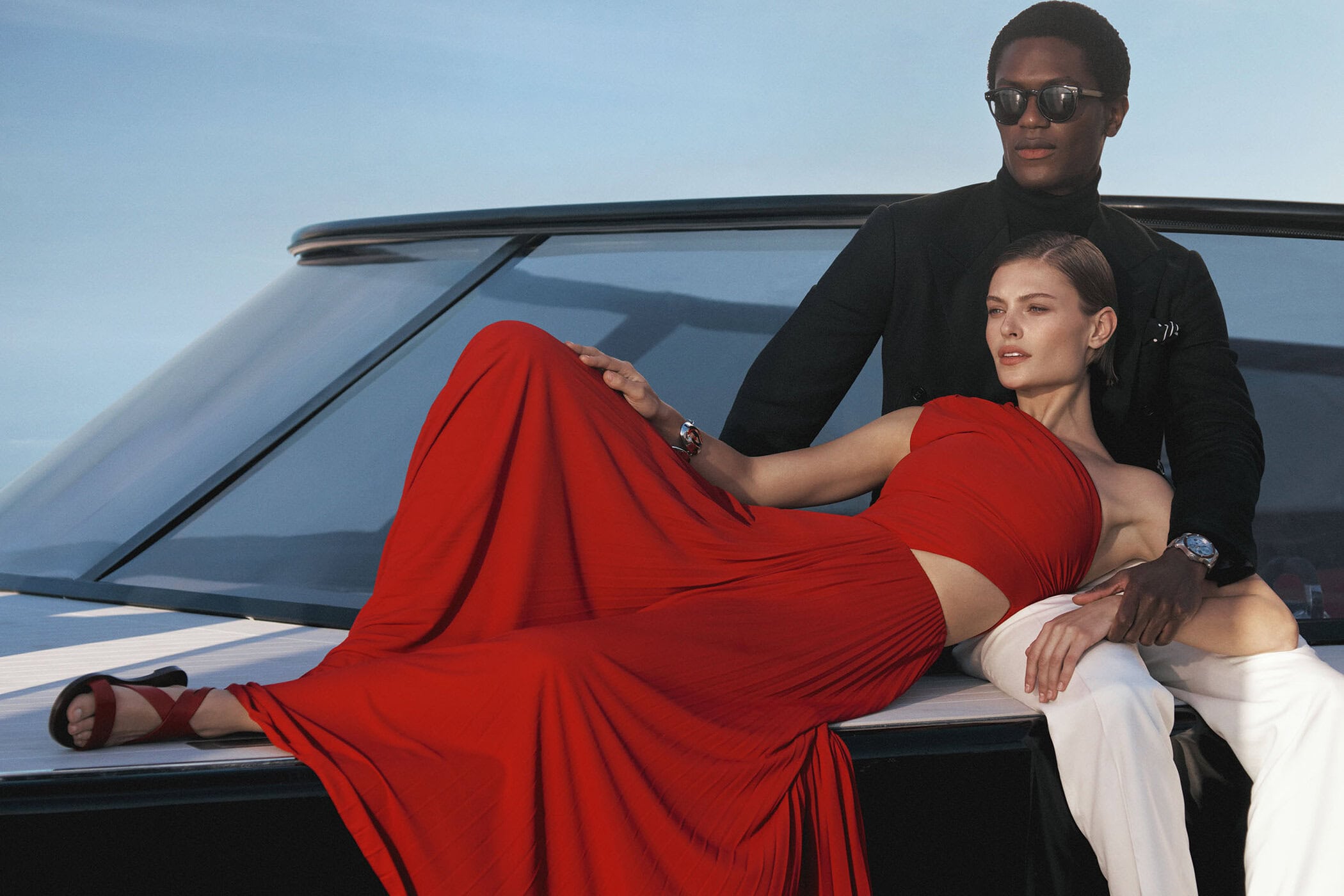
The Council of Fashion Designers of America's official Spring/Summer 2027 calendar begins tomorrow, Thursday, September 10, with Diane von Furstenberg and runs through Tuesday the 15th, when Thom Browne closes it — 70 shows and presentations across six days. Ralph Lauren is not on it. Ralph Lauren is showing tonight.
This is not a snub, and it is not new. Lauren has spent years showing on the eve of the official schedule, a habit that reads variously as sovereignty, stubbornness or good marketing depending on who you ask. The effect is the same either way: for roughly eighteen hours, before the week's collective machinery starts grinding, the fashion conversation is about one collection. Coach, Cult Gaia, J. Press, Libertine and Rachel Comey — the last celebrating her 25th anniversary — are also showing tonight. Nobody is confused about whose evening it is.
A gallery, for the third time
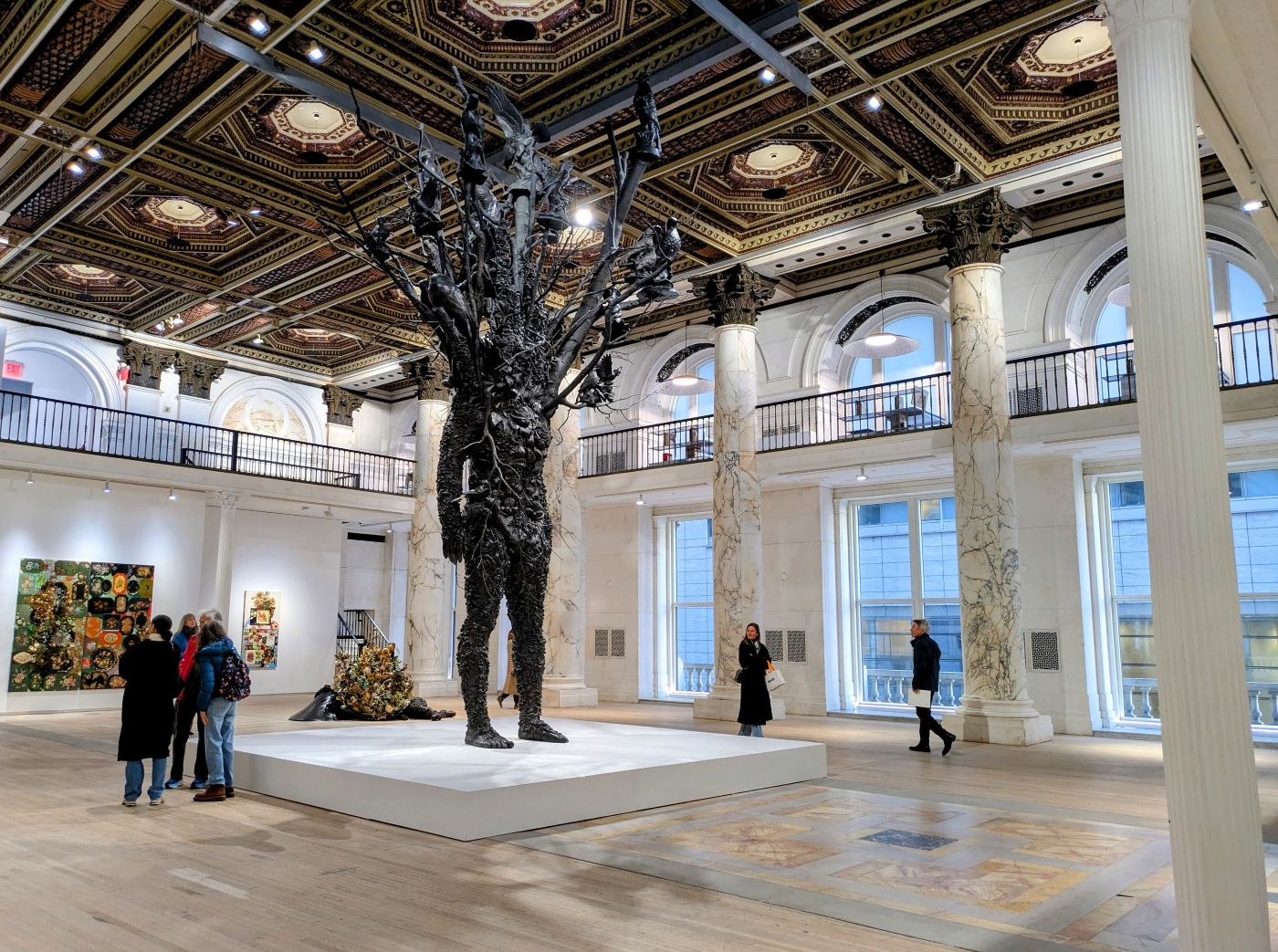
The Spring 2027 women's collection is being staged at the Jack Shainman Gallery in downtown Manhattan, Lauren's third outing in the space. The choice matters more than venue choices usually do. Lauren's shows have historically been staged in environments he controls completely — the Madison Avenue flagship, a purpose-built set, a restaurant of his own. A working contemporary art gallery is a borrowed room, and using one is an implicit statement that the clothes should carry the evening rather than the scenography.
His own description of the collection points the same way. 'Spring 2027 is an irreverent take on romance that creates a new elegance,' Lauren said. 'It's about ways of dressing that celebrate ingenuity, originality and character — the freedom and fun of creating a style that is truly personal.' Read past the brand cadence and there is a specific word doing work in there: irreverent. Lauren has spent sixty years selling a fantasy of American ease that is, structurally, quite reverent — of English tailoring, of Western myth, of old money's visual grammar. Irreverence is a lever he pulls sparingly.
The numbers behind the show
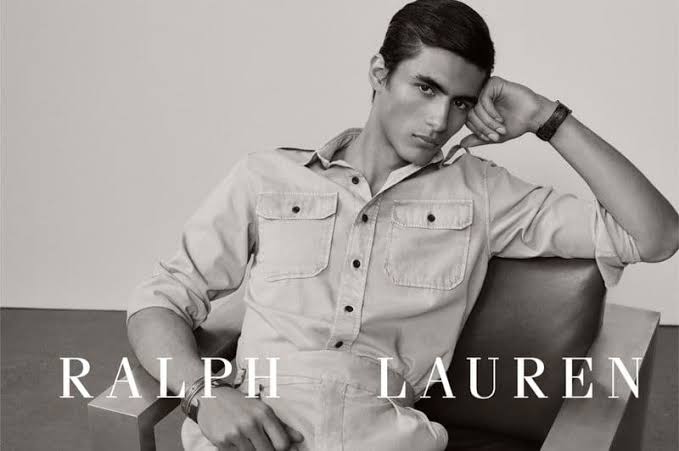
There is a reason Lauren can ignore a calendar. Ralph Lauren Corporation closed fiscal 2026 with revenue up 15% to $8.1 billion on a reported basis — the first time the company has cleared $8 billion — and up 12% in constant currency. The fourth quarter alone rose 17% to $2.0 billion. Global direct-to-consumer comparable store sales climbed 17% in the fourth quarter and 13% across the year, with mid-teens growth in average unit retail driven by full-price selling. Gross and operating margins both beat the targets the company set under its 'Next Great Chapter: Drive' plan.
Strip the language out and the story is simple: people are buying more Ralph Lauren, at higher prices, without waiting for it to go on sale. In a luxury sector that has spent two years absorbing softening demand, cautious Chinese consumers and a general sense that the aspirational middle has stopped aspiring, that is close to an anomaly.
It is also the context for the men's Spring 2027 collection shown earlier this season, which critics read as a refusal to chase reinvention — wide cream trousers, double-breasted blazers, tuxedo jackets, navy suits, club ties, rugby stripes, madras checks, varsity layers. The verdict was that conviction, executed well, still counts as a strategy. Given the earnings, it is hard to argue.
What it means that the anchor is 86
The broader fashion story of 2026 has been churn. Moschino is on its fourth creative regime in three years. Off-White entered this very week without a creative director at all. Diane von Furstenberg opens the official calendar tomorrow with Henry Zankov's first collection as artistic director. The industry's dominant news genre has become the appointment announcement, and its dominant emotion has become the wait to see whether it works.
Against that, a house with the same founder it has always had, showing where and when it likes, coming off record revenue, is a genuinely unusual object. It is also a limited-run one, and everyone in the room tonight knows it. The most interesting long-term question in American fashion is not what Ralph Lauren does next season. It is what a brand built entirely on one man's specific and personal vision of America becomes when he is no longer the one having it.
What this means for what you'll wear
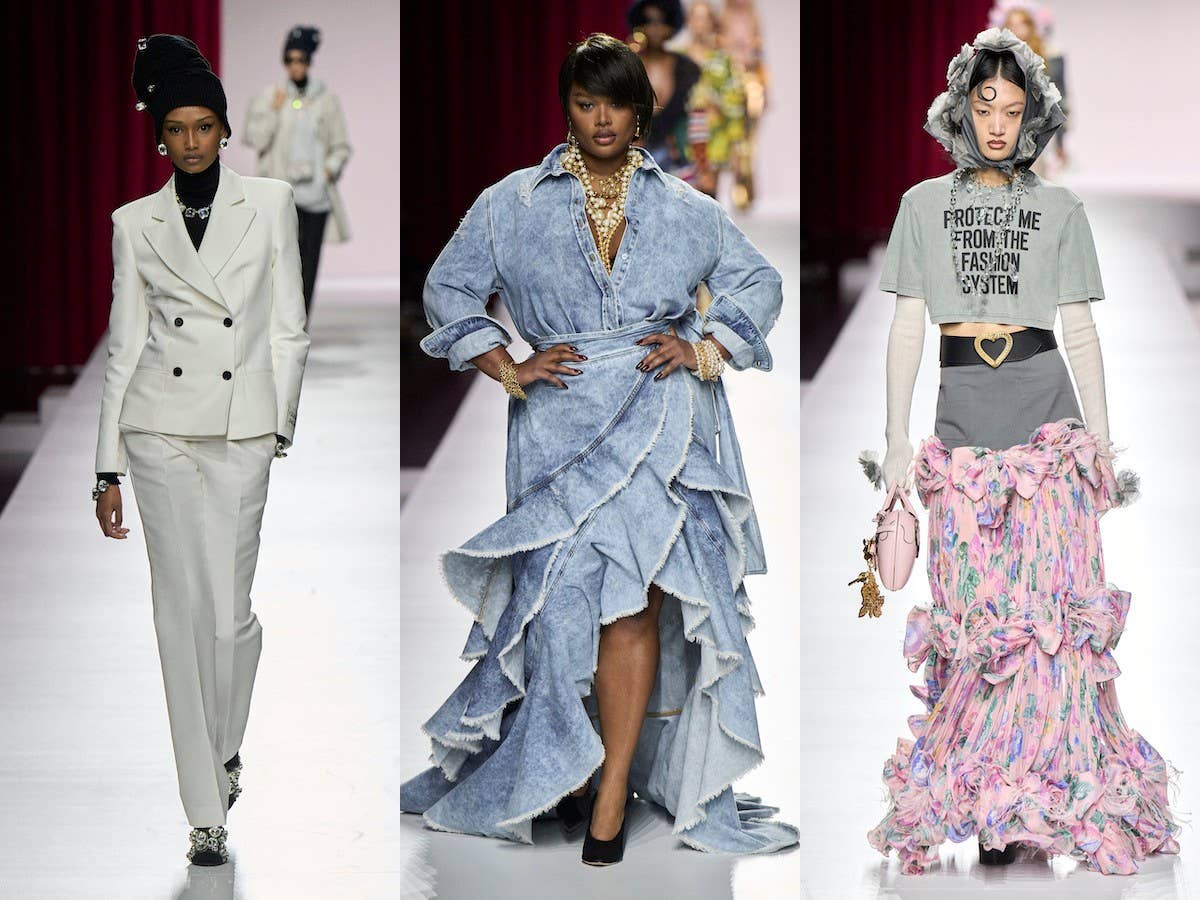
Ralph Lauren's influence on ordinary wardrobes has always been disproportionate, because the codes he works in — the blazer, the oxford shirt, the knit, the well-cut trouser — are the ones the high street copies fastest. If 'irreverent romance' translates into softer tailoring, looser proportions and evening dressing that borrows from daywear, expect to see the diluted version in mid-market stores by next spring.
There is a second, quieter signal in the earnings. Full-price selling at these levels suggests shoppers are consolidating: fewer purchases, higher spend per item, a preference for things that will still look correct in five years. That is a consumer behaviour shift the entire industry has been describing for two years, and Lauren's numbers are the clearest evidence yet that it is real rather than aspirational.
Before the week begins
By tomorrow evening, the fashion conversation will have moved on — to Zankov's debut, to whoever surprises on the official calendar, to the six days of shows that make up the actual week. Tonight is a prelude, and by design.
But preludes tell you something. New York's fashion week begins with an 86-year-old designer in a borrowed gallery, showing a collection he described as irreverent, at the end of the most commercially successful year his company has ever had. Whatever the industry's anxieties are this season, they are not his.
Published By | Features Editor