Written By | International News Agencies
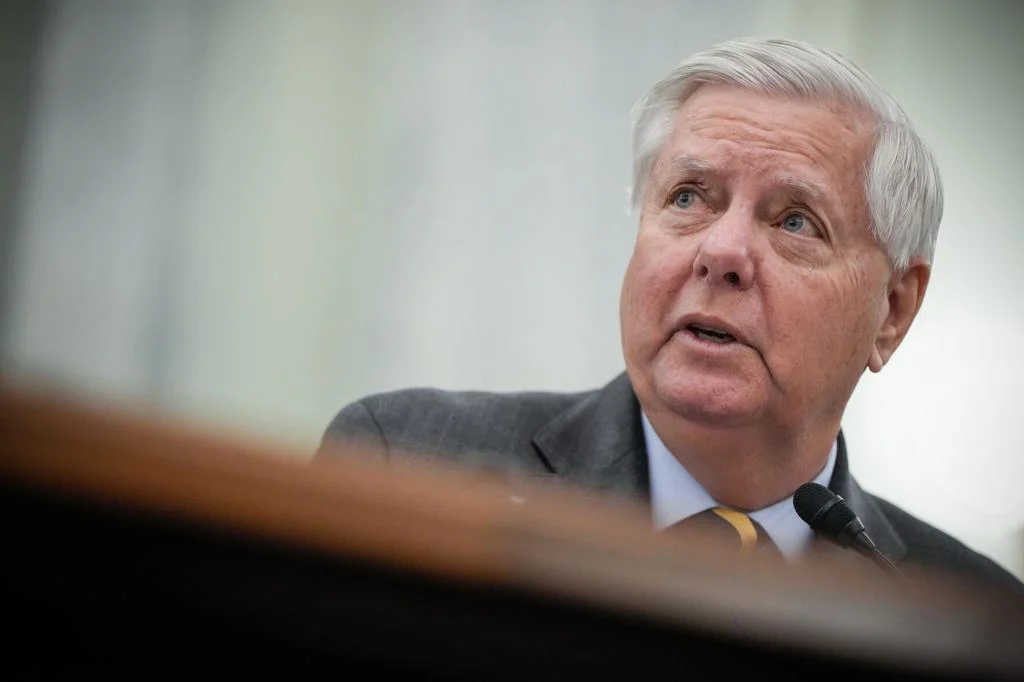
Lindsey O. Graham
Background
The U.S. Senate voted 86-11 on August 7, 2026, to pass the Lindsey O. Graham Sanctioning Russia and Iran Act of 2026, a sweeping sanctions and tariff package aimed at Russia's war economy and Iran's weapons and energy sectors. The bill's roots stretch back more than a year: Senator Lindsey Graham, working with Senator Jeanne Shaheen and other co-sponsors, first introduced the legislation on April 1, 2025, but it stalled for over a year in the face of resistance from the Trump White House, which had pushed for broader presidential waiver authority over how and when the sanctions and tariffs would actually be imposed.
The bill's path changed abruptly after Graham's death. The South Carolina Republican, a longtime foreign-policy hawk and one of the Senate's most vocal advocates for supporting Ukraine, died on July 11, 2026, of a sudden cardiac illness, one day after his tenth wartime visit to Kyiv. According to reporting on the bill's final negotiations, Graham had reached an agreement with the White House on the outstanding waiver-authority disputes before his death, which cleared the way for the Senate to bring the renamed legislation to a floor vote roughly four weeks later. Ukrainian President Volodymyr Zelensky had personally lobbied for the bill's passage in the weeks beforehand, watching Senate proceedings from the gallery in late July as lawmakers began moving the measure forward.
Key Developments
The final bill passed by a wide bipartisan margin, with reports putting the vote at 86-11 (with some outlets citing a companion tally of 86-12). Its central provisions target the revenue streams that fund Russia's war in Ukraine. The legislation grants the president authority to impose tariffs of up to 100 percent on goods from the top five countries that purchase Russian oil and natural gas, and reporting indicates a further tier of tariffs — up to 500 percent — could apply to goods imported directly from Russia itself. Beyond tariffs, the bill authorizes sanctions on senior Russian officials, oligarchs and their family members, major Russian financial institutions, and the network of shell companies and repurposed vessels that make up Russia's so-called "shadow fleet," which Moscow has used to circumvent existing Western oil-price caps and export restrictions.
At President Trump's request, the bill was expanded beyond its original Russia focus to include a significant Iran component. It extends and strengthens the Iran Sanctions Act of 1996, broadening penalties on entities that invest in Iran's energy sector and reinforcing the administration's ability to sanction actors tied to Iranian-sponsored terrorism. The Iran provisions land alongside — but are legally distinct from — separate Treasury Department action announced around the same period, which imposed new sanctions directly on Iran-linked exchange houses and shell companies accused of secretly moving hundreds of millions of dollars through the international financial system on Tehran's behalf. Together, the two tracks of action represent a significant tightening of the financial pressure campaign on Iran even as U.S. and Iranian negotiators, through Omani mediation, have simultaneously been working toward a separate deal to reopen the Strait of Hormuz to commercial shipping.
Having cleared the Senate, the bill now moves to the House of Representatives, where it has not yet received a vote. The Senate's overwhelming margin — 86 votes in favor against only 11 opposed — stands out against a backdrop of otherwise sharp partisan division in Washington this year, and reflects a rare convergence between congressional hawks who have pushed for tougher Russia sanctions since 2022 and a White House that has more often favored negotiated de-escalation with both Moscow and Tehran.
Reactions
President Zelensky welcomed the Senate's action, saying that "real, strong American pressure and sanctions against Russia are what will help the most" in bringing what he called "this insane Russian war against our independence and our people" to an end. Ukrainian officials and a range of American foreign-policy figures issued statements praising the bill's passage as a long-overdue signal of sustained U.S. commitment, according to a compilation of reactions released by the Senate Foreign Relations Committee's Democratic staff.
The bill's namesake complicates the White House's own framing of the moment. President Trump, reflecting on his relationship with Graham after his death, offered a notably candid assessment of their disagreements over Ukraine strategy: "I wanted to see the war with Ukraine end very quickly. I think he was more into, you know, keeping it going, frankly." That tension between Trump's stated preference for a rapid negotiated end to the war and Graham's more hawkish, pressure-first approach shaped much of the yearlong standoff over the bill's waiver provisions, even as the administration ultimately backed the final compromise version that passed this week.
Senators from both parties, including Foreign Relations Committee members Roger Wicker and Jeanne Shaheen, publicly applauded the vote, framing it as a rare moment of bipartisan unity on Russia policy. Even so, some lawmakers — particularly in the House, where the bill now awaits consideration — have raised concerns about the scope of the new tariff authority, warning that tariffs as high as 100 to 500 percent on major trading partners could raise costs for American importers and consumers, and that the bill hands the executive branch unusually broad discretion over when and how to apply that leverage.
Commentary from further outside the mainstream has been more skeptical still. Some conservative commentators framed the bill as a victory for what they described as the Senate's more hawkish, interventionist wing, arguing it commits Washington to an open-ended posture of economic confrontation with both Russia and Iran simultaneously at a moment when the administration has also been pursuing direct negotiations with Tehran over Hormuz shipping access. That critique underscores a broader tension running through the bill: it was written and largely negotiated as an instrument of pressure, yet it becomes law, if it does, at the same time the executive branch is testing whether diplomacy can produce results with at least one of the two governments it targets.
What's Next
The bill's next test is in the House of Representatives, which is on summer recess until roughly August 31; a floor vote is not expected until early September at the earliest. Whether it clears the House in its current form is not assured. The same tariff-scope concerns raised by some senators are likely to resurface more forcefully among House Republicans wary of consumer price effects and of ceding broad tariff discretion to the executive branch, even one led by their own party's president.
If the bill is ultimately signed into law, it would mark one of the most significant codified escalations of U.S. sanctions pressure on Russia since the war in Ukraine began, layering new tariff and shadow-fleet enforcement tools on top of existing measures. Its Iran provisions would also add to an already complex diplomatic picture: Washington and Tehran are simultaneously negotiating, through Omani mediators, a separate arrangement to reopen the Strait of Hormuz, and new statutory sanctions on Iran's energy sector could complicate that parallel track depending on how aggressively the administration chooses to implement them. Markets, Moscow's official reaction, and the House's handling of the tariff provisions will be the key indicators to watch in the coming weeks.
There is also a symbolic dimension to how the bill's House journey unfolds. Because the legislation carries Graham's name, its final passage or failure will likely be read in Washington as a verdict on the durability of his brand of hawkish, sanctions-first foreign policy within a Republican Party that has, under Trump, increasingly gravitated toward transactional dealmaking with adversaries. Ukrainian officials, for their part, are expected to continue lobbying House members over the August recess, hoping to replicate the kind of direct, high-profile appeal that helped move the bill through the Senate. Whether that pressure translates into a similarly lopsided House vote — or runs into a more contentious floor fight over tariff authority — will be one of the clearer early tests of Congress's appetite for further escalating economic pressure on both Moscow and Tehran this fall.



