Written By |
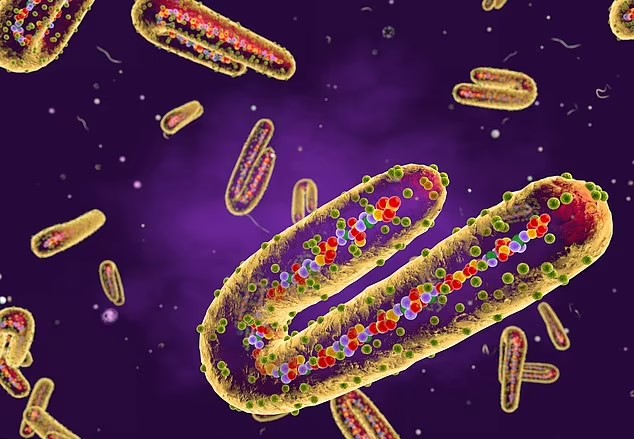
Marburg virus, a relative of Ebola, causes people to bleed from their orifices and kills up to 9 in 10 of those infected.
A dangerous and untreatable virus is spreading in Rwanda, killing eight people and putting hundreds more at risk. The Marburg virus, a close relative of Ebola, has emerged in the country for the first time, sparking concerns over its rapid spread.
Marburg virus causes severe internal and external bleeding, killing up to 90% of those infected. With no available vaccines or treatments, medical staff focus on supportive care, which often puts them at direct risk of infection through contact with bodily fluids.
Rwanda's health ministry confirmed eight deaths since the outbreak was declared on Friday. Most of the fatalities were health workers in intensive care units, according to Health Minister Sabin Nsanzimana. There are currently 26 confirmed cases, but up to 300 people may be at risk after contact with known patients.
Mr. Nsanzimana urged anyone experiencing early symptoms — severe headaches, muscle aches, fever, diarrhea, fatigue, stomach pain, and vomiting — to seek medical help immediately and stop attending work or school.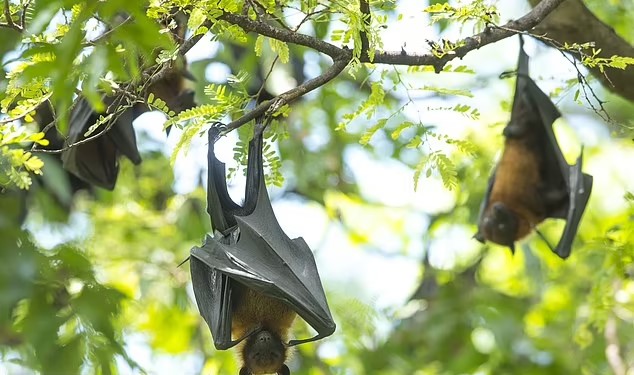
Outbreaks typically occur in areas where people have been exposed to fruit bats, which naturally harbour the virus, via entering mines or caves where the animals live
What is Marburg virus?
Marburg virus, a viral hemorrhagic fever like Ebola, is even deadlier. Infected patients often develop deep-set eyes, expressionless faces, and begin to bleed from multiple orifices, including the nose, gums, eyes, and vagina. Even dead bodies can transmit the virus, making containment challenging.
The virus is typically transmitted to humans through fruit bats, often when people enter caves or mines where these animals reside. From there, it spreads through direct contact with infected individuals, contaminated bedding, clothing, and the bodies of deceased victims. Marburg can also spread through sexual contact or breastfeeding.
Symptoms can appear between two days to three weeks after exposure. In the early stages, symptoms resemble other illnesses, allowing the virus to spread before being properly identified. As the infection progresses, the immune system is compromised, and by the fifth day, patients enter the "early organ phase." This leads to bleeding from the eyes, inflammation, and swelling of the body, often culminating in death within eight or nine days after symptoms begin.
International warnings
The outbreak has prompted the some of the foreign governments to issue a travel warning for example British nationals visiting Rwanda, especially Kigali, which has direct flights to the UK. "We understand it is present in hospitals in Kigali," the warning stated, with investigations ongoing to determine the origin of the outbreak.
The US Embassy in Kigali has also taken precautions, advising staff to work remotely for a week and suspending all in-person services to prevent infection.
Most of the fatalities are among health care workers working in intensive care units with the sickest patients according to the country's health minister Sabin Nsanzimana
A global threat?
The World Health Organization (WHO) warns that the Marburg virus can have a fatality rate of up to 88%, depending on the outbreak and strain. However, the average fatality rate is closer to 50%, similar to Ebola. While Rwanda’s outbreak is its first, neighboring countries like Tanzania (2023) and Uganda (2017) have seen smaller outbreaks with fewer fatalities.
In 2023, Equatorial Guinea experienced 12 confirmed deaths from Marburg, though an additional 23 fatalities are suspected to have been caused by the virus.
Despite its lethality, Marburg outbreaks tend to be contained after infecting only a few people. Experts believe the chances of the virus spreading to other continents like Europe or North America are low, though not impossible.
Marburg virus has previously reached the US once, in 2008, when a woman was infected after returning from a safari in Uganda. She survived after hospitalization. The virus has also been detected in Europe. The 1967 outbreaks in labs in Germany and Serbia (then Yugoslavia) led to the virus’s discovery, traced to infected African green monkeys shipped to those labs.
Earlier this year, the WHO listed Marburg virus as one of 30 pathogens most likely to cause the next pandemic.
Source: Health Agencies



