Written By | Political Desk
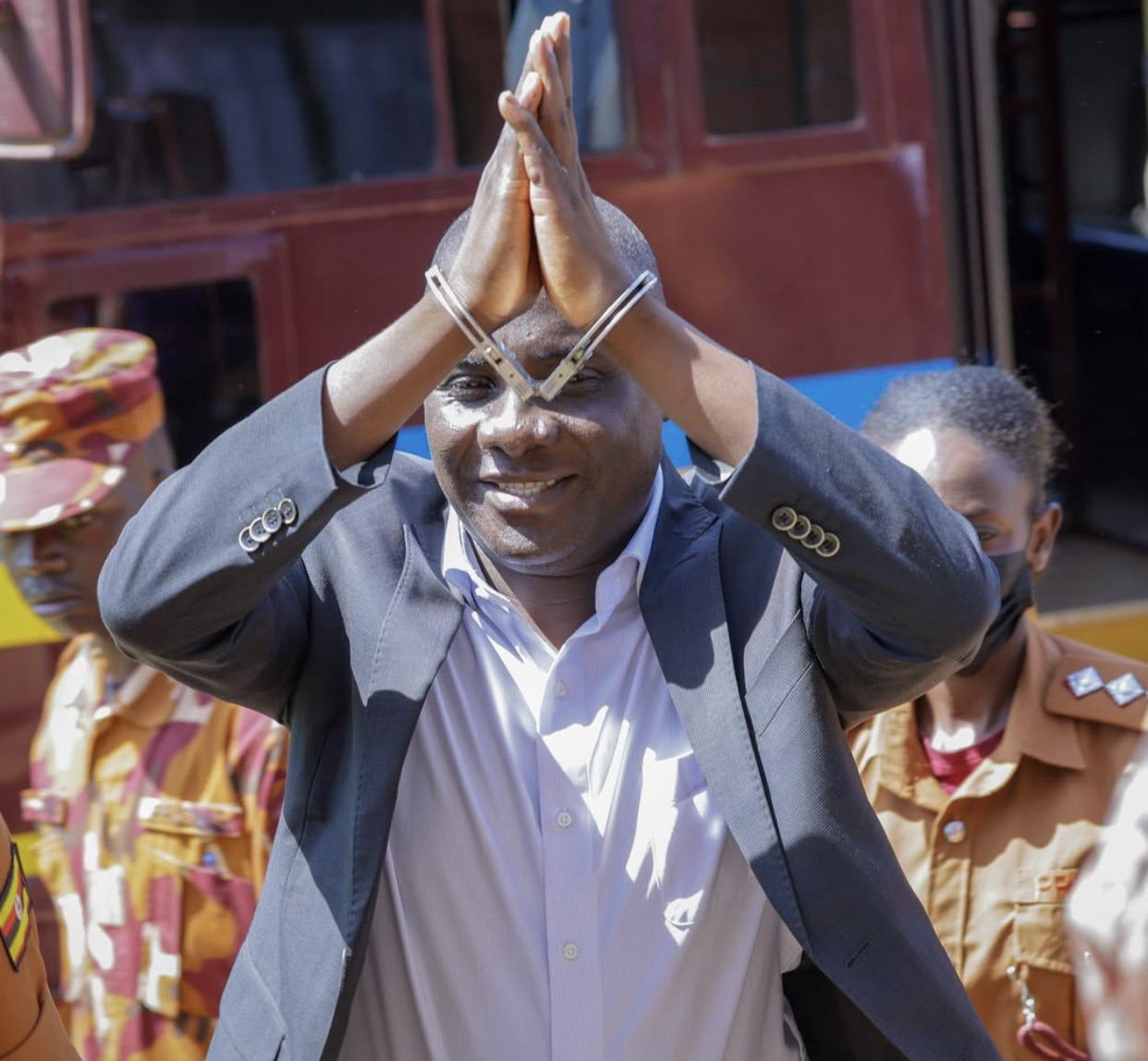
The NUP deputy president has been granted bail by the Butambala court after months in custody
POLITICS
Muwanga Muhammad Kivumbi, the deputy president of the opposition National Unity Platform (NUP) and former Member of Parliament for Butambala, was granted bail by the Butambala Chief Magistrate’s Court on 29 September 2026. NUP leader Robert Kyagulanyi, better known as Bobi Wine, announced the release the next day, saying Kivumbi had “finally regained his freedom” after what he described as a combined eight months in prison on politically motivated charges. The government has brought the charges, which Kivumbi’s side rejects, before the courts, and both cases remain open.
The release is the latest turn in one of the most closely watched cases to follow Uganda’s January 2026 general election. It is also an unusually fragile one: by the party’s own account, a previous grant of bail in July was followed almost immediately by a fresh arrest. That history explains why NUP’s reaction to the news mixed relief with open anxiety.
What happened this week
According to reporting by Nile Post, the Butambala court granted Kivumbi bail on charges of inciting violence and managing an unlawful society. Prosecutors allege that on 9 July 2026 he addressed a public gathering in the Gombe area of Butambala and incited people to commit violence against government officials and to overthrow the government. Nile Post did not report the specific bail terms, and none of the sources reviewed for this article set them out for the 29 September ruling.
NUP Secretary General David Lewis Rubongoya reacted cautiously. “We can all hope and pray that he won’t be abducted or arrested again as happened last time,” he said, according to Nile Post. The remark points to the central worry for Kivumbi’s supporters: that securing bail in court and actually staying free are two different things.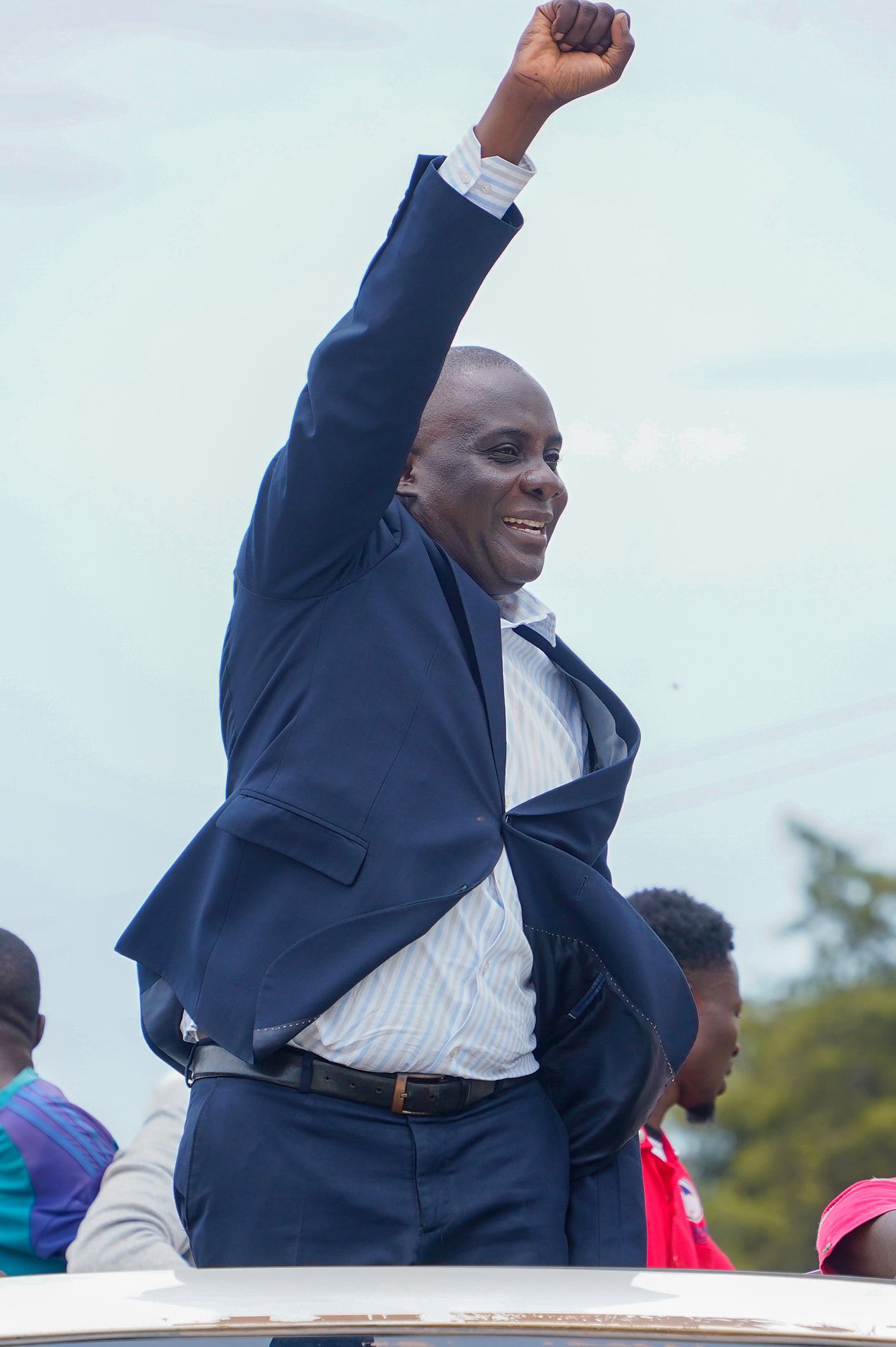
How the case got here
Kivumbi’s legal troubles began in the aftermath of the 15 January 2026 election. Wikipedia’s account, which cites Associated Press reporting, says seven people were fatally shot by unidentified security personnel outside his residence in Butambala during the election period, and that he was arrested on 22 January 2026. Other accounts in the reporting reviewed for this article place post-election violence in Butambala between 11 and 17 January, and say the prosecution alleged he took part in attacks on Kibibi Police Station and the Electoral Commission tally centre. Dates in these accounts differ slightly, and several details come from secondary sources, so they should be read with some caution.
He was charged under the Anti-Terrorism Act together with more than 20 co-accused, and was held at Kitalya Prison while investigations continued. People Daily reports that he was initially charged with terrorism alongside 23 others in connection with election-period violence. He and his co-accused applied for bail in May, arguing that they had fixed residences and community ties.
In July, the High Court, in a ruling attributed to Justice Susan Okalany, granted bail. The terms reported were a cash deposit of 10 million shillings, three non-cash sureties of 5 million shillings each, surrender of his passport, and monthly reporting to court. Sixteen co-accused in the original case were also released on bail in July, according to the reporting.
The second arrest
What followed is the part of the story that most alarms the opposition. Accounts say that shortly after his release in July, Kivumbi was intercepted by security operatives in the Mpigi area. One timeline gives the date as 10 July. He was then reportedly missing for 19 days before being produced in the Butambala court on the new incitement and unlawful-society charges. His lawyer, Medard Lubega Sseggona, told reporters that he appeared in court bearing injury marks, and his defence team has alleged that he was tortured and needs specialised medical attention, according to People Daily. These allegations are the defence’s; the sources reviewed did not carry a government response to them.
The court also barred live-streaming and audio recording of the proceedings despite objections from the defence, according to one account. Press-access restrictions of this kind tend to feed the perception among opposition supporters that the case is being handled to limit scrutiny, though the court has not, in the reporting reviewed, explained its reasoning.
Who the main players are
Kivumbi is an economist by training, with a Makerere University economics degree and postgraduate qualifications from Uganda Martyrs University and the Uganda Management Institute. He first belonged to the Democratic Party before moving to NUP in 2021, when he was elected MP for Butambala. In Parliament he chaired the committee on public accountability and led the Buganda parliamentary caucus. In January 2025 he was named NUP’s deputy president for the central region.
Bobi Wine, NUP’s leader and the main challenger to President Yoweri Museveni, has made Kivumbi’s treatment a rallying point. Rubongoya, the party’s secretary general, has acted as its day-to-day voice on the case. On the other side are the state prosecutors, the police and the security agencies accused by the defence of the July abduction; none of these bodies was quoted in the reporting reviewed here.
Why it matters
The case sits at the intersection of two live questions in Ugandan politics. The first is how the state handles opposition figures after a contested election. Museveni, in power since 1986, sought a seventh term in the January vote, which analysts at the Africa Center for Strategic Studies described beforehand as taking place in a climate of growing electoral violence. The prosecution of a senior NUP figure under anti-terrorism legislation, and then on fresh charges within days of a bail ruling, will be read by critics as evidence of a pattern, and by the government as the ordinary operation of the criminal law.
The second question is institutional: whether court orders hold. Bail is meant to be the point at which the courts, not the security services, decide whether a suspect remains at liberty. If a defendant can be re-arrested the moment he leaves the courthouse, the practical value of bail is weakened. That is the worry behind Rubongoya’s remark, and it is one the judiciary may be asked to address if there is any repeat.
The political context extends beyond Kivumbi. Nile Post’s politics coverage this week also points to continuing electoral disputes elsewhere in the country, including a court ruling due on 30 October on a challenge to a Tororo Municipality result, and a Forum for Democratic Change challenge to local council election results. Taken together, they suggest that the legal aftermath of the 2026 elections is far from finished.
What to watch next
Several developments will show how significant this week’s bail ruling proves to be. The first is simply whether Kivumbi remains free over the coming weeks, and whether any conditions attached to the bail are tested. The second is the progress of the two underlying cases: the earlier terrorism matter, in which his co-accused have already had bail, and the newer incitement case in Butambala, where the next hearing date has not been reported in the sources reviewed.
Third, the torture allegations. If his lawyers take them further, through a formal complaint, a medical examination or a court application, they could draw the Uganda Human Rights Commission or international observers into the matter. Finally, Kivumbi’s release may shape NUP’s internal and public strategy: the party has lost a senior figure from active politics for much of 2026, and his return, even under bail conditions, could alter its messaging heading into the next phase of the post-election period.
For now, the facts are limited and partly contested. A senior opposition politician is out of custody after months in detention, his cases are unresolved, and his own party is hoping that the court’s decision will be respected outside the courtroom as well.



