Written By | Staff Writer
Gen. Muhoozi Kainerugaba, 52, is Museveni's eldest son and serves as Chief of Defence Forces, the head of the army
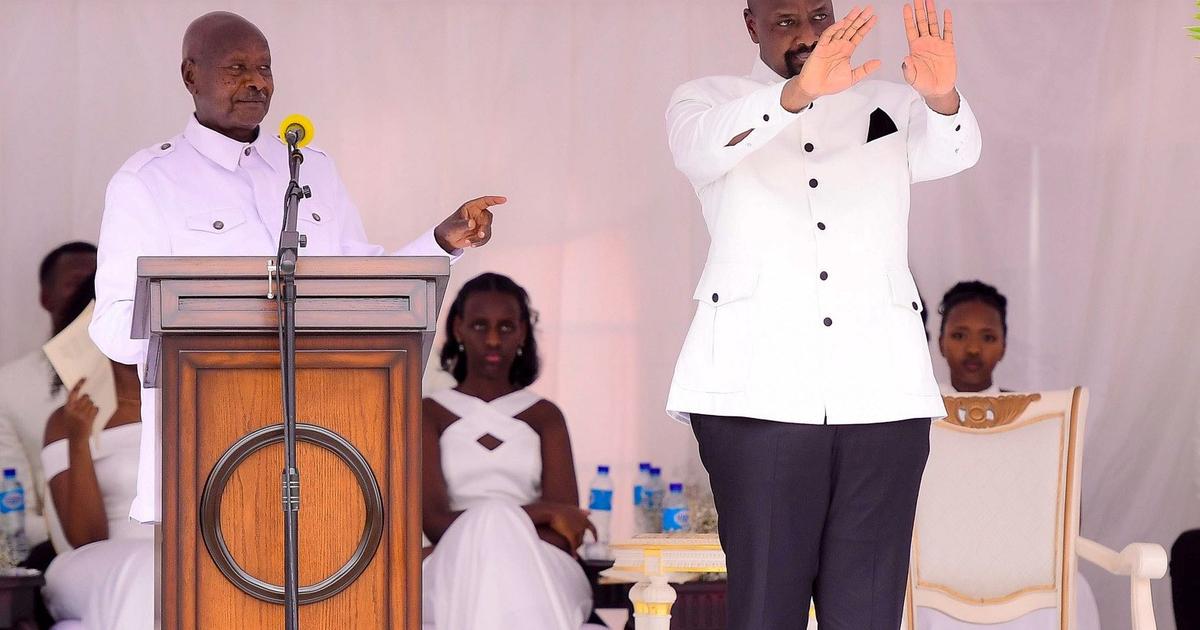
On Tuesday 27 October 2026, President Yoweri Museveni tabled a paper on succession at a closed meeting of the Central Executive Committee (CEC) of the ruling National Resistance Movement (NRM), held at State House Entebbe. The paper concerns who will lead Uganda after Museveni, who is 82. Officials say it also sets out the qualities he wants in a future leader, along with other party business such as a new party headquarters.
The party has not published the document, so its exact wording is unknown. According to reporting by the Rio Times, members asked for copies and suggested a retreat to discuss it further. No vote has been announced, no retirement date for the president has been confirmed, and it is unclear whether the committee adopted any resolution. Because the account of the meeting rests largely on a single outlet and on statements by participants and by Gen. Muhoozi Kainerugaba on social media, readers should treat the details as provisional.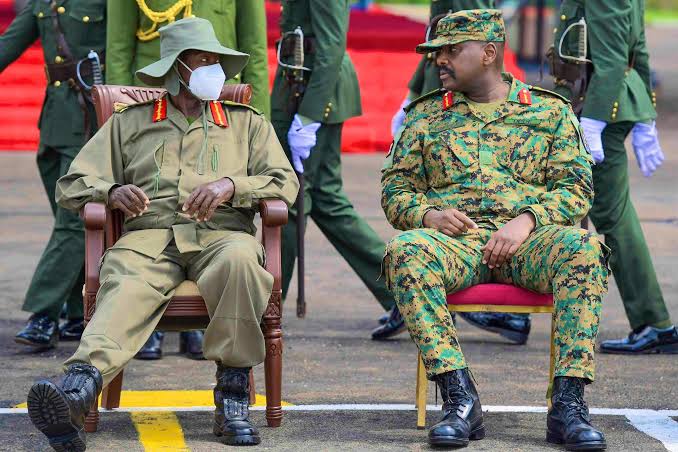
What happened after the meeting
Within days the meeting produced competing claims. On 27 October, Daudi Kabanda, an MP who works in the office of the chairman of the Patriotic League of Uganda (PLU), said Museveni had endorsed his son. He did not say whether the party had passed a formal resolution. On 29 October, Muhoozi himself posted on X ordering PLU members to stop discussing "Mzee's paper" — "Mzee" being a term of respect for his father — and told supporters to leave the matter to him and the president and to concentrate on winning public endorsements.
The instruction was quickly echoed from within government. State Minister Balaam Barugahara replied to Muhoozi's order with a message calling him "supreme leader and next President." Others in the party were less enthusiastic. Hadijah Namyalo, who heads the office of the NRM national chairman, has objected to Muhoozi's plans and has voiced concern for her own security. NRM secretary general Richard Todwong is reported to have said he will respond after consulting the committee.
The main players
Yoweri Museveni has been president since 1986 and chairs the NRM. He won a seventh term in January 2026. For years he avoided naming a successor; the government line has been that he and the party will decide when the time comes. The tabling of a written paper, even one that remains secret, is therefore a notable departure from that posture.
Gen. Muhoozi Kainerugaba, 52, is Museveni's eldest son and serves as Chief of Defence Forces, the head of the army. He also leads the PLU, a pressure group that campaigns for his presidential bid. On 26 August 2026 he announced on X that he would stand for president in 2031 and win "by the grace of Almighty God," saying he expects around 90 percent of the vote with his father's support. He had earlier planned to run in 2026 but withdrew.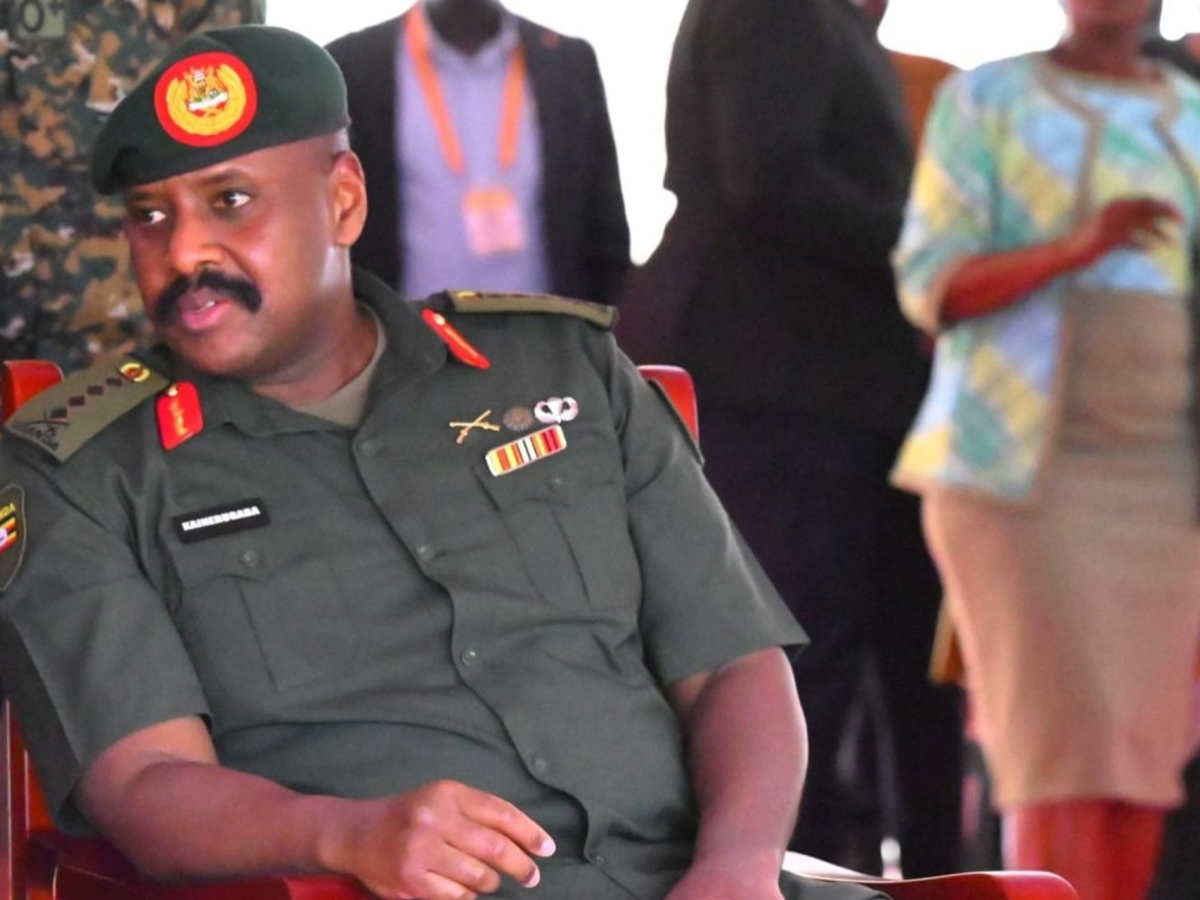
Why it matters
Uganda has about 46 million people and has had one president for four decades. Parliament removed presidential term limits in 2005 and scrapped the age cap of 75 for presidential candidates in December 2017, so there is no constitutional deadline forcing a handover. The question of succession is therefore decided largely inside the ruling party and the security establishment, which makes a meeting like the 27 October CEC session significant even when its outcome is opaque.
The episode also exposes friction inside the NRM. Some members fear the PLU could end up competing with the party rather than serving it. Muhoozi's order that supporters stop discussing the paper suggests that he, too, wants to control the narrative, while the objections attributed to Namyalo show that not all senior figures accept his candidacy as settled.
The Rio Times article also offers analysis of implications for United States security ties, aid, sanctions and investor risk. That section is commentary and cites no sources, and this article does not rely on it.
What to watch next
Several questions are open. First, whether the NRM publishes the paper or releases a summary, and whether the committee records any decision. Second, whether the retreat that members proposed takes place and who attends. Third, how Todwong responds after consulting the committee. Fourth, whether Muhoozi's call for silence holds within the PLU, or whether the dispute with figures such as Namyalo becomes public. Finally, any statement from Museveni himself, who has so far not publicly clarified what the paper says.
Until then, the facts that can be stated with confidence are limited: a paper was tabled, a closed meeting took place, and the president's son has publicly claimed the matter is settled between him and his father. Whether that claim reflects a party decision remains unverified.



