Written By |
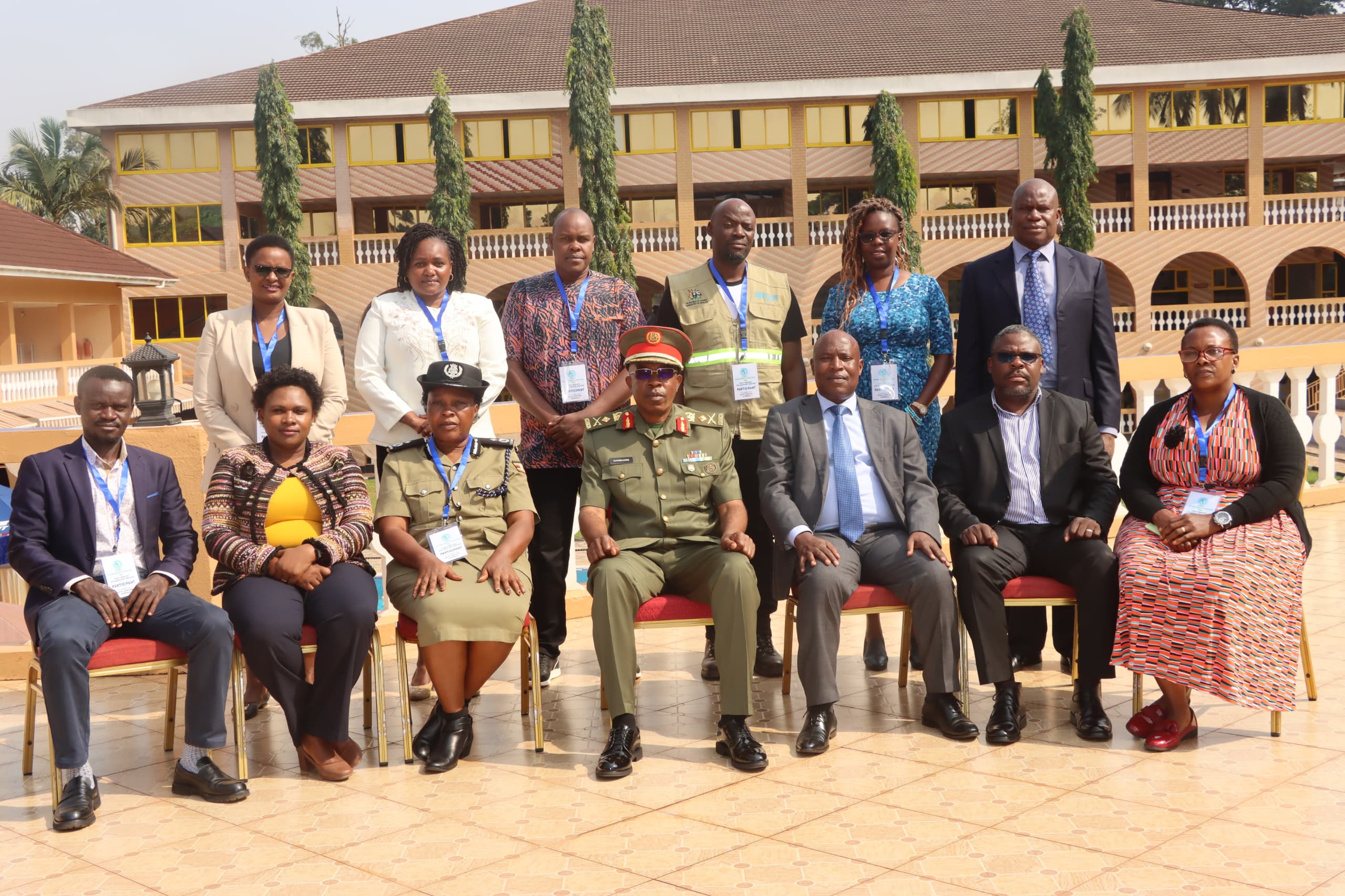
Brig. Gen. Richard Karemire (center) and Brig Gen Domitien Kabisa (third-right) in a group photo with members of EASF Early Warning and Uganda Agencies related to Early Warning at Hotel Africana Kampala Uganda
The East African Standby Force (EASF) convened yesterday in Uganda for a three-day conference, bringing together vital stakeholders from Early Warning agencies. The aim is to enhance regional collaboration for conflict prevention and resolution, boost situational awareness, and develop a coordinated response to emerging threats and crises, particularly within Uganda. This meeting in Kampala follows a previous gathering in Addis Ababa, Ethiopia, where Uganda played a crucial role in establishing a collaborative framework among member states to effectively implement early warning mechanisms. The goal is to improve the functionality of the Early Warning System across the region.
The framework has received endorsement from the region’s Policy Organs, which include the Chiefs of Defence Forces and the Ministers of Defence and Security.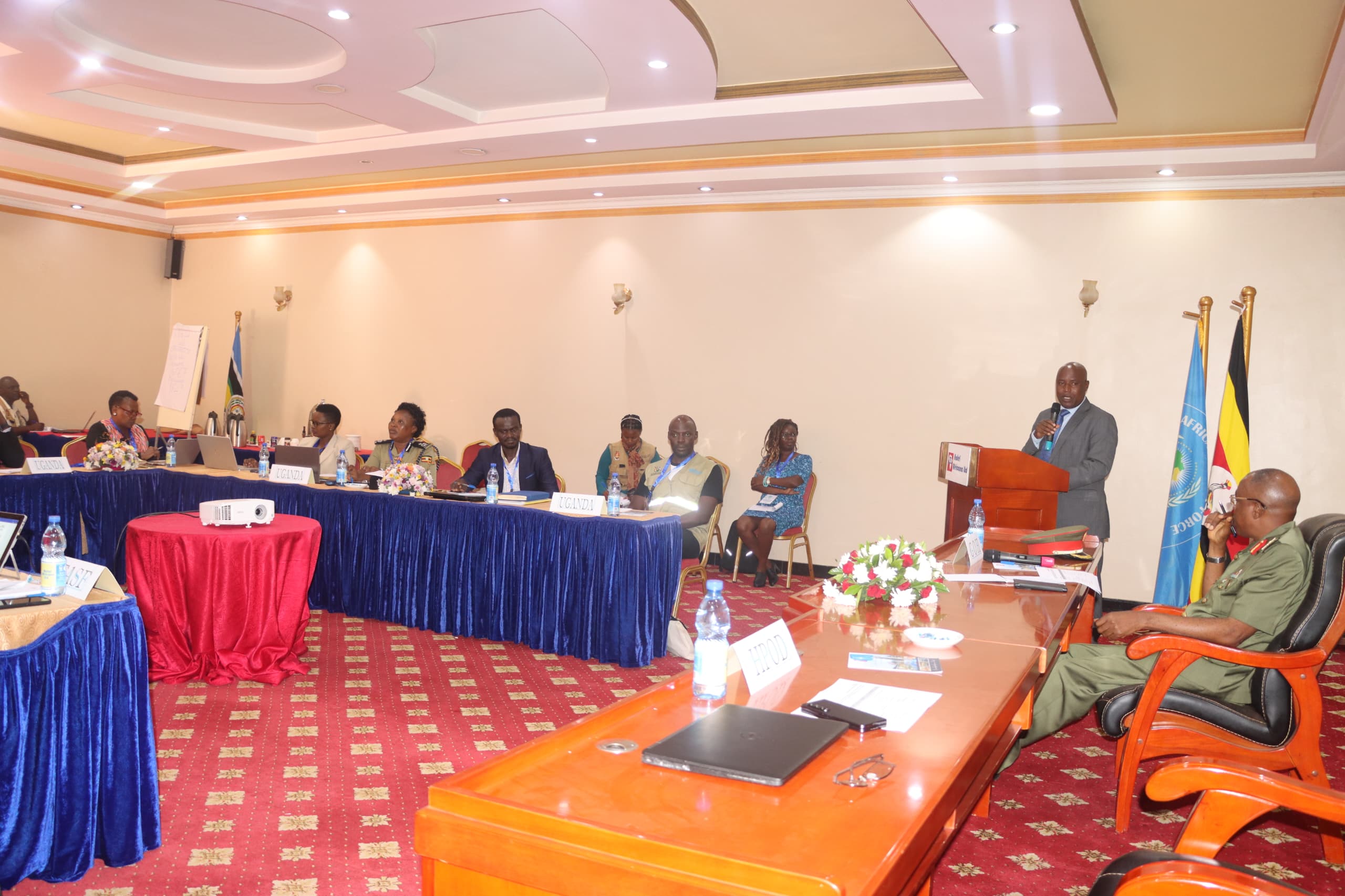
Head of Peace Support Operations Department EASF Brig Gen Domitien Kabisa addressing the members
At the event held at Hotel Africana, Brig. Gen. Richard Karemire, representing the Chief of Joint Staff, highlighted the meeting as a testament to the unified commitment of member states toward conflict prevention and fostering a culture of peacebuilding in the region.
“As you are aware, early warning systems aim to mitigate the risk posed by disasters. By providing advance notice, early warning systems enable individuals, communities, organizations, and states to take appropriate measures to minimize or deter dangers. I acknowledge the significant strides made by the EASF Department of Peace Operations in developing an integrated and functional EASF early warning response system and a collaboration framework between the early warning system and member states,” said Brig. Gen. Karemire.
He further emphasized the necessity of timely information sharing and the adoption of best practices in early warning systems to promote peace and reduce violence.
Brig. Gen. Karemire called for investment in advanced technologies to strengthen early warning capabilities, support secure information exchange, and enable rapid responses to challenges such as drought, crop failures, and famine, which can ignite conflicts. He stressed that achieving sustainable peace in East Africa requires a collective commitment from all stakeholders and the empowerment of local communities where conflicts often arise. A proactive approach is essential, drawing on diverse expertise and shared experiences to preemptively tackle challenges.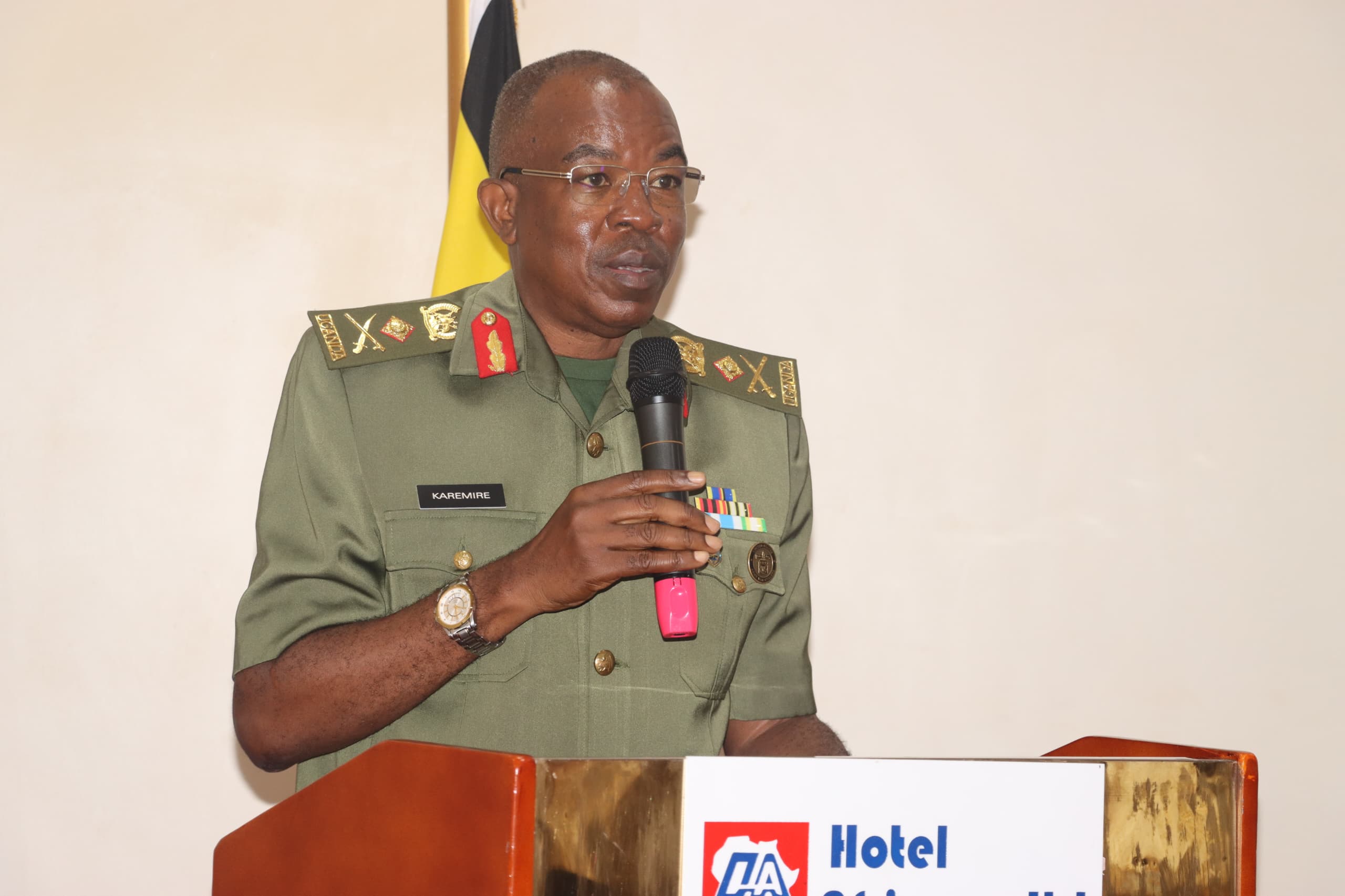
Brigadier General Karemire speaking to the members
Brig. Gen. Domitien Kabisa, Head of Peace Support Operations at the EASF Secretariat in Nairobi, described the meeting as a pivotal step toward achieving a key goal for 2024: enhancing collaboration between the EASF Early Warning System and the systems of member states to bolster conflict prevention capabilities and enable timely responses to regional security issues. Kabisa reiterated the importance of enhanced regional cooperation in improving the capacity to predict, prevent, and manage tensions and avert violent conflicts in light of the region’s complex history of strife. He noted that strengthening collaboration between member states’ early warning systems would aid in identifying early indicators of violent conflict and ensure that appropriate interventions are made to prevent escalation.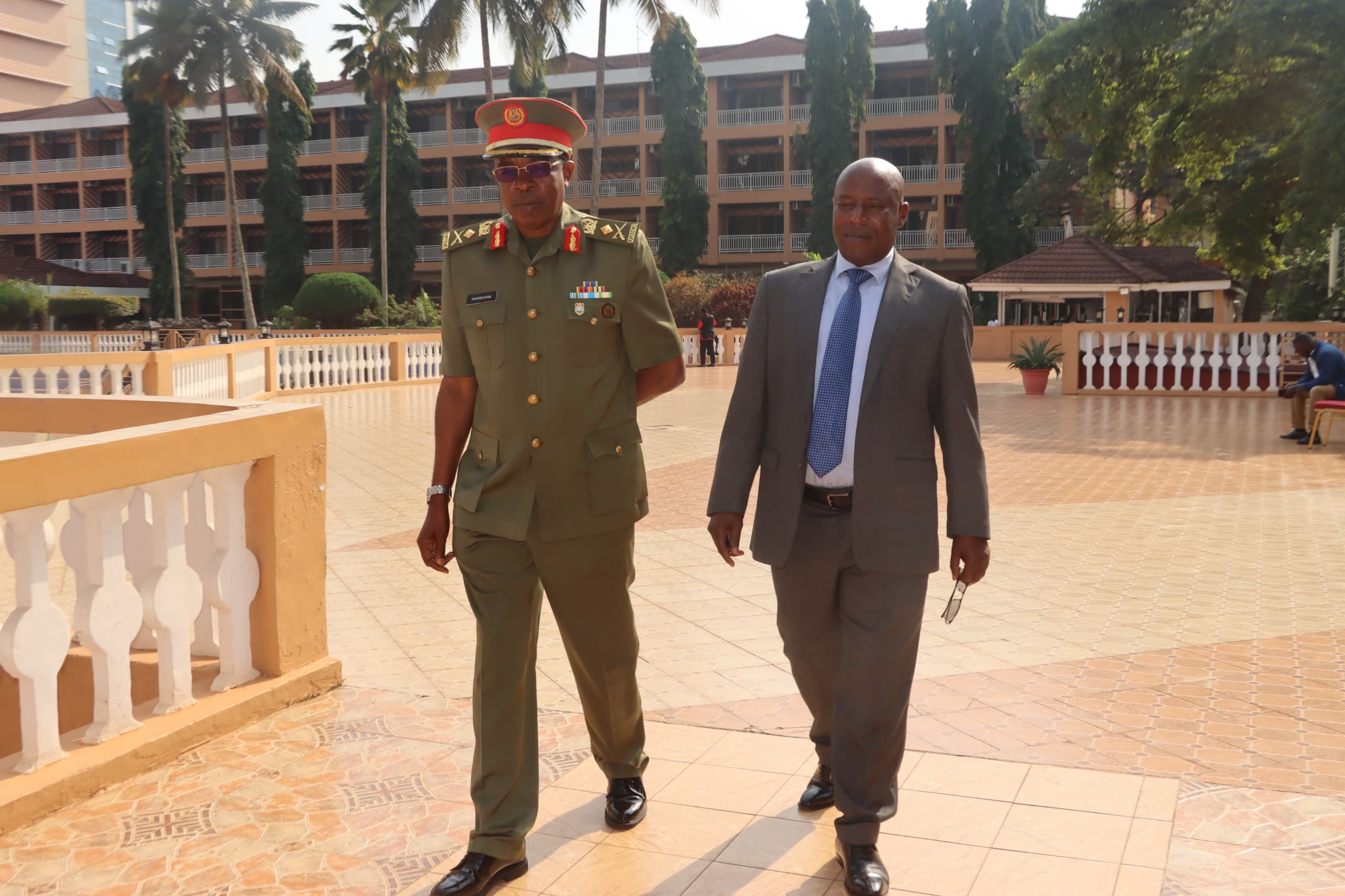
Brig. Gen. Richard Karemire (left) and Brig. Gen. Domitien Kabisa (right) arrive at Hotel Africana for the meeting
The Eastern Africa Standby Force (EASF) is a regional peace and security mechanism operating within the African Peace and Security Architecture (APSA). Its legitimacy stems from Chapter VIII of the United Nations Charter, Article IV of the African Union Constitutive Act, and Article XIII of the Protocol establishing the AU Peace and Security Council. The EASF’s mandate is to promote peace and security in the Eastern Africa region through preventive diplomacy and conflict resolution. A fundamental component of the EASF is its Early Warning System (EWS), which seeks to preemptively address conflicts and crises in the region.
The EASF comprises ten member states: Burundi, Comoros, Djibouti, Ethiopia, Kenya, Seychelles, Rwanda, Somalia, Sudan, and Uganda.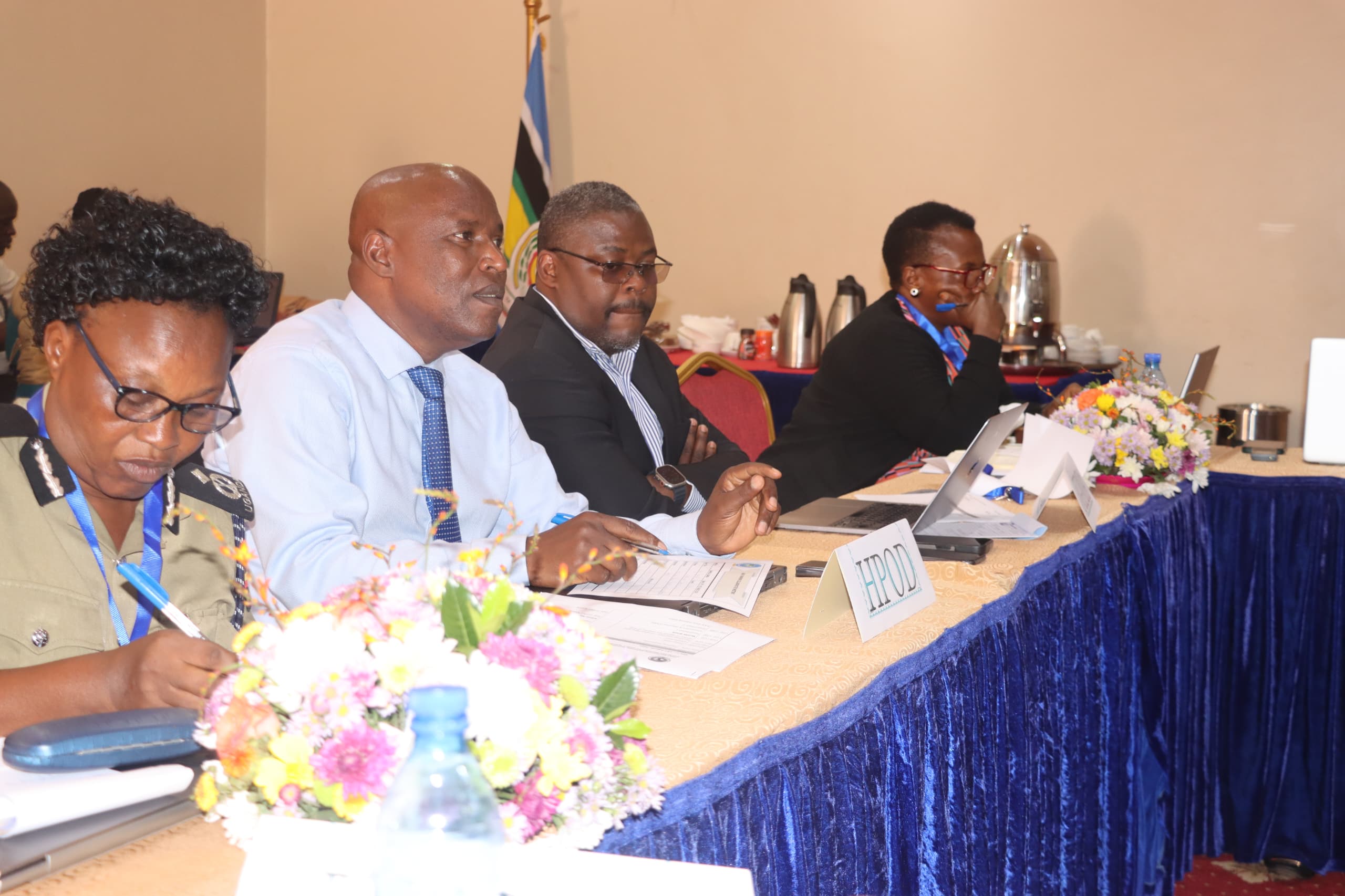
The EASF’s mandate is to promote peace and security in the Eastern Africa region through preventive diplomacy and conflict resolution
Among those in attendance were Mr. Leodinous Mwebembezi, Assistant Commissioner at the Ministry of Water and Environment; Lt. Col. Henry Kyobe, Head of the Incident Management Team at the Ministry of Health; Lt. Col. Lillian Shigoli (KDF), EASF Legal Advisor; ACP Florence Kirabira, Coordinator for Small Arms and Light Weapons/Conflict Early Warning and Response Mechanisms at the Ministry of Internal Affairs; and Mr. Enyimu William, Principal Human Resource Officer at the Ministry of Defence and Veteran Affairs, among others.
Torch Media Africa



