Written By |
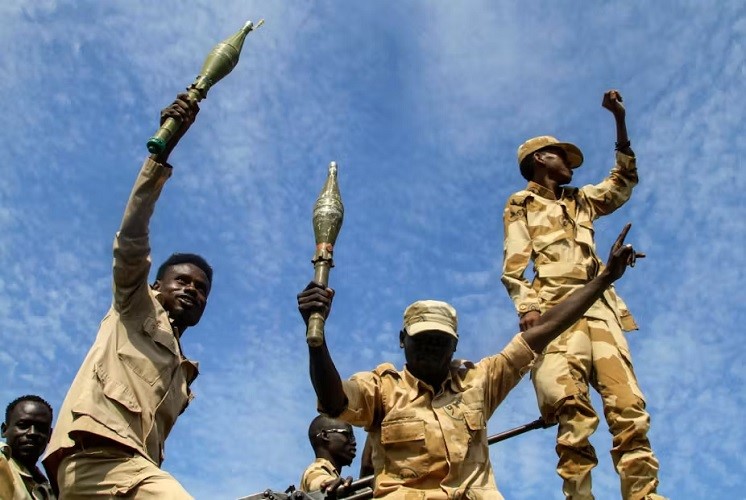
Weapons and ammunition are smuggled in from Libya, Chad, and the Central African Republic, often supplied by the UAE and Iran in violation of a UN arms embargo
From Agencies
The United Nations has accused foreign actors of prolonging Sudan's war, complicating the path to peace. The conflict between the Sudanese Armed Forces (SAF) and the Rapid Support Forces (RSF) erupted in April 2023, after a power struggle between two generals following a failed political transition.
Since then, the war has taken on a regional and international dimension, with external powers providing arms, ammunition, and financial support to both sides. Among the most invested foreign players is the United Arab Emirates (UAE).
May Darwich, an expert on Middle Eastern alliances in the Horn of Africa, for insights into this complex situation.
Sudan people line up for food
Why has peace been elusive in Sudan?
In just over a year, Sudan has devolved into one of the world’s worst humanitarian crises. Once considered the breadbasket of Africa, the country now faces the threat of famine. According to the UN refugee agency, over 7 million people are displaced internally, 2 million have fled to neighboring countries, and 25 million people—half of Sudan’s population—require humanitarian aid. Over 20,000 lives have been lost since the conflict began.
Despite this, peace remains out of reach. The fighting shows no signs of stopping, peace talks have failed, and the involvement of foreign actors is fueling the violence. Neighboring countries and regional powers have aligned with one of the two generals leading the war: Abdel Fattah al-Burhan of the Sudanese Armed Forces, and Mohamed “Hemedti” Dagalo of the RSF. Both leaders have been accused of war crimes, ethnic cleansing, and crimes against humanity by the UN.
Sudan’s proximity to major arms-trafficking hubs complicates the situation. Weapons and ammunition are smuggled in from Libya, Chad, and the Central African Republic, often supplied by the UAE and Iran in violation of a UN arms embargo.
Who are the major foreign players?
Several regional and global powers have a vested interest in Sudan’s conflict. Egypt and Saudi Arabia back the Sudanese army, while the UAE, Libya, and Russia—through the Wagner Group—support the RSF.
The UAE has emerged as a key player, viewing Sudan’s strategic location and wealth of resources as an opportunity to expand its influence in both the Middle East and East Africa. Since 2018, the UAE has invested over $6 billion in Sudan, including foreign reserves in the Sudanese central bank, agriculture projects, and a Red Sea port. Sudanese fighters, primarily from the RSF, have also been recruited by the UAE to participate in its conflict in Yemen.
After Sudan’s 2019 democratic transition following the ouster of long-term president Omar al-Bashir, the UAE played a destabilizing role. It empowered both the army and the RSF against Sudan’s civilian government. With the outbreak of civil war, the UAE has aligned with the RSF.
Despite Abu Dhabi’s denial of arming the RSF or supporting Hemedti, mounting evidence suggests otherwise. The UAE’s involvement in the war is now considered an “open secret.”
In October 2024, US rapper Macklemore cancelled a concert in Dubai, citing the UAE’s role in the “ongoing genocide and humanitarian crisis” in Sudan. This decision reignited global scrutiny of Abu Dhabi’s role in the conflict.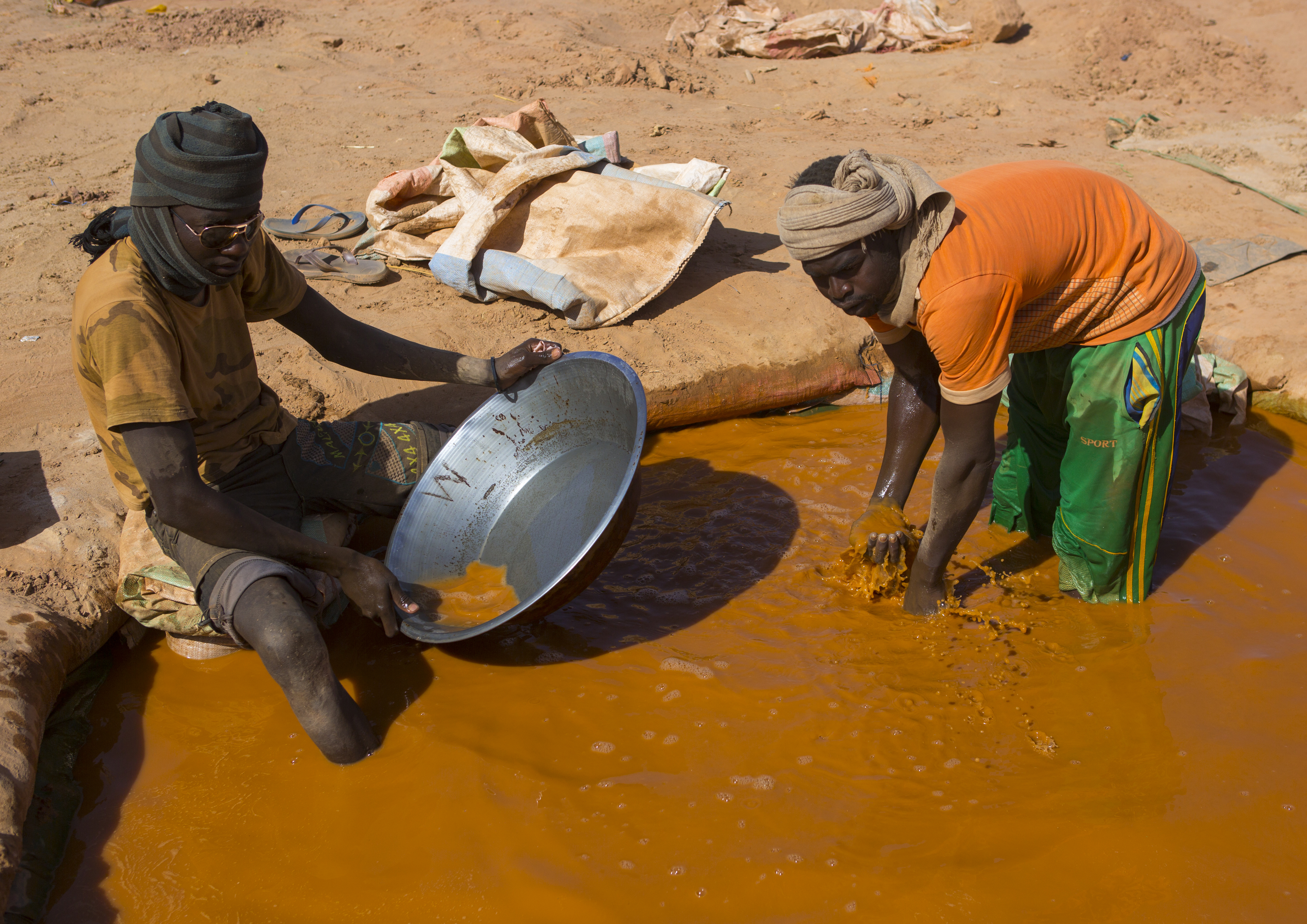
Sudanese gold, much of it smuggled, ends up in the UAE, which has become a global hub for laundering this resource
The UAE's motives
The UAE’s involvement in Sudan reflects a broader trend in its foreign policy: using alliances with local forces to secure its geopolitical and economic interests.
In Sudan, Hemedti has become a key figure in safeguarding Emirati interests, particularly in gold and agricultural products. Gold, a major driver of the conflict, helps finance both sides of the war. Sudanese gold, much of it smuggled, ends up in the UAE, which has become a global hub for laundering this resource. In 2022, official UAE imports of Sudanese precious metals were valued at $2.3 billion.
Food security is another UAE priority. Since the global food crisis of 2007, the UAE has invested heavily in farmland abroad. In northern Sudan, Emirati firms farm over 50,000 hectares of land, with plans to expand. Agricultural products are transported via the Red Sea. To avoid the port of Sudan, the UAE struck a deal in 2022 to build a new port on Sudan’s coast, operated by the Abu Dhabi Ports Group.
The RSF has helped secure these Emirati investments, especially in agriculture.
What could end the Sudanese crisis?
While the humanitarian situation deteriorates, the international community has done little to intervene. Insufficient aid has been raised for Sudan, and there has been no global pressure on the UAE for its role in fueling the conflict. Even the UN Security Council has failed to act on credible reports of Abu Dhabi’s involvement, despite its own panel of experts bringing the issue to light.
Human Rights Watch has accused the RSF of committing genocide, ethnic cleansing, and crimes against humanity. Yet, there are no immediate plans to hold the UAE accountable for its support of the paramilitary group, partly due to the UAE’s strategic alliances with Western powers.
Without action from the international community to halt foreign intervention, Sudan faces an escalating humanitarian catastrophe that could have global repercussions for years to come.
Source: ADF Magazine



