Written By |
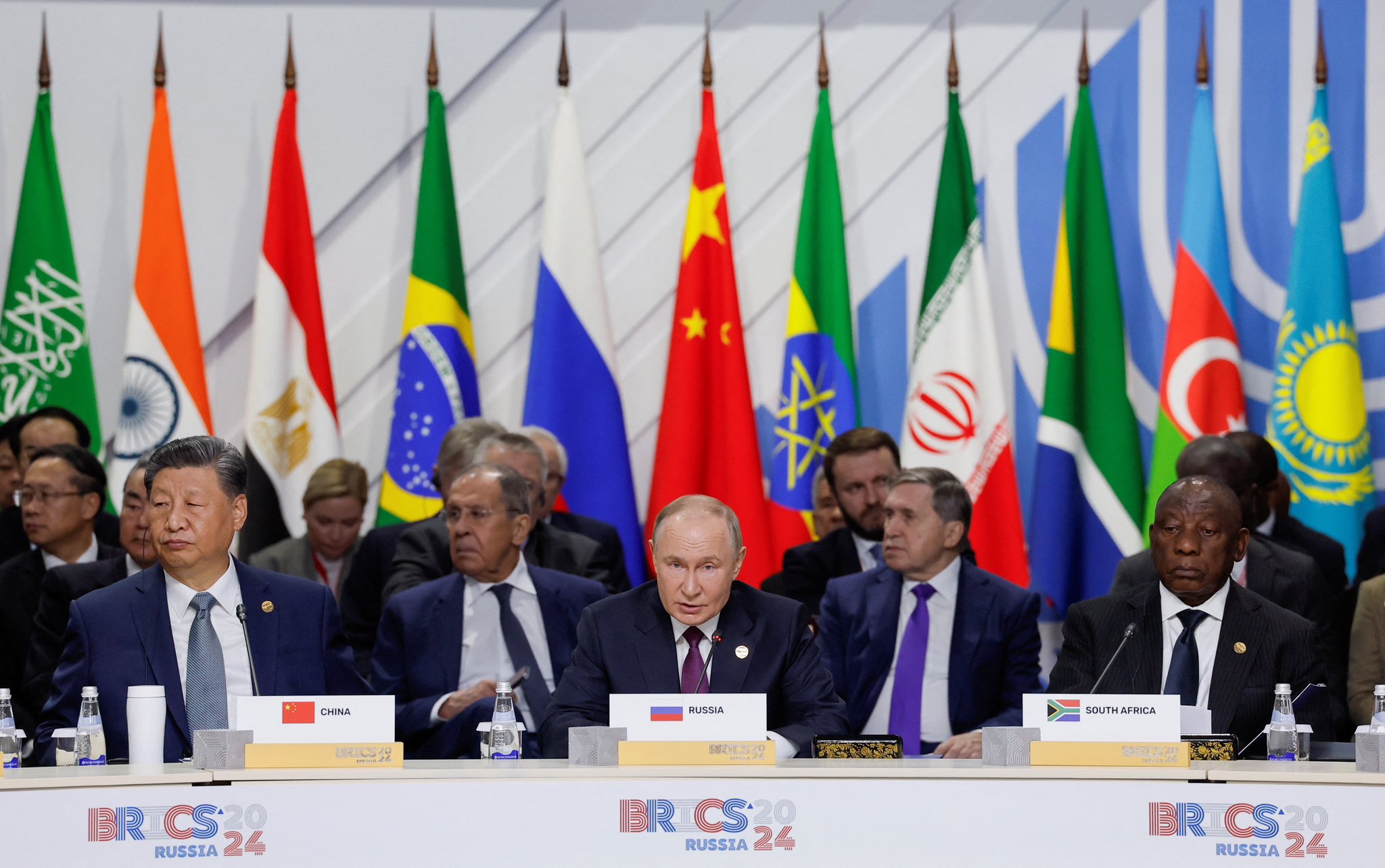
BRICS Members had a meeting starting Monday in Brazil
United States President Donald Trump has unveiled steep new tariffs on more than a dozen countries as he escalates his pressure campaign to extract trade concessions.
On Monday, Trump announced that 14 countries — including key US allies such as Japan and South Korea — could face tariffs ranging from 25 to 40 percent unless they agree to import more US goods and boost manufacturing in the United States. The latest move extends a deadline originally set in April for countries to reach new trade deals. Instead of Wednesday, affected nations now have until August 1 to negotiate and avoid the tariffs.
In nearly identical letters sent to each country’s leader, Trump said the US was ready to “move forward” with its trading partners but only on the basis of “more balanced and fair TRADE.” He warned that any retaliatory measures would be met with even higher tariffs, while hinting that countries could earn relief if they opened their markets.
“If you wish to open your heretofore closed Trading Markets to the United States, eliminate your tariff and Non-Tariff Policies and Trade Barriers, we will, perhaps, consider an adjustment to this letter,” Trump wrote, capitalizing words for emphasis.
“These Tariffs may be modified, upward or downward, depending on our relationship with your Country.”
Speaking to reporters later on Monday, Trump described the August 1 deadline as “firm” but said he was open to flexibility.
“If they call up and they say they’d like to do something a different way, we’re going to be open to that,” he said.
The steepest tariffs would apply to Laos and Myanmar, which face duties of 40 percent. Japan, South Korea, Malaysia, Kazakhstan, and Tunisia would face the lowest rate at 25 percent. Cambodia and Thailand would face tariffs of 36 percent, Serbia and Bangladesh 35 percent, and South Africa and Bosnia and Herzegovina 30 percent. Indonesia would be subject to a 32 percent rate.
All 14 countries, many of which rely heavily on exports, had previously faced a baseline tariff of 10 percent.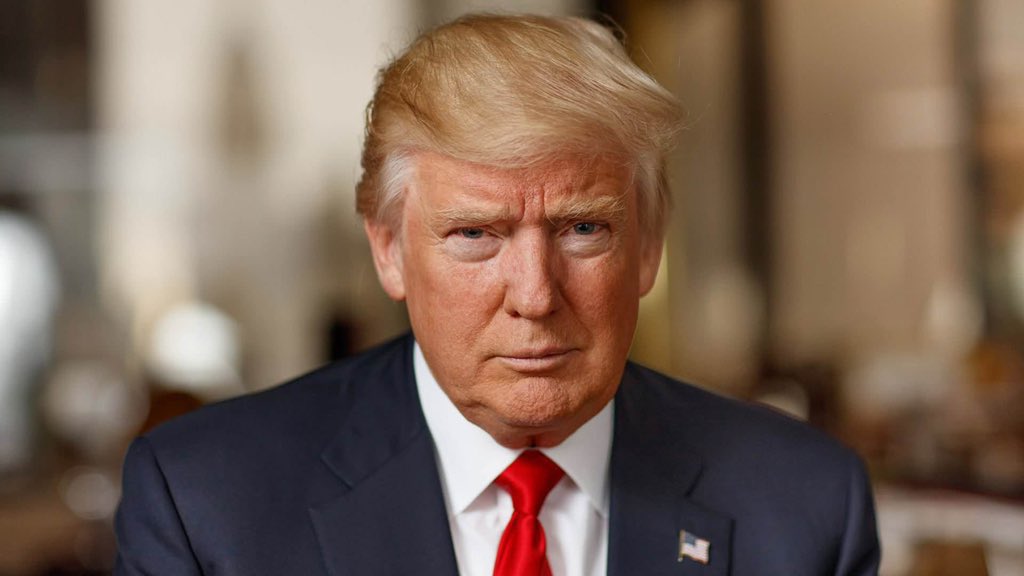
Reactions from affected countries were swift. Japanese Prime Minister Shigeru Ishiba called the tariff threat “truly regrettable” but said Japan would continue working towards a mutually beneficial agreement. South Korea’s Ministry of Trade, Industry and Energy pledged to intensify negotiations ahead of the deadline to reduce uncertainty. Malaysia’s Ministry of Investment, Trade and Industry said it remained committed to “balanced, mutually beneficial, and comprehensive” engagement with the US.
Experts noted that Asian countries may struggle to present a unified front against Washington’s demands.
“It is not possible for these countries, even for a formal pact like ASEAN, to act in a coordinated manner. It’s likely to be each country on its own,” said Lawrence Loh, director of the Centre for Governance and Sustainability at the National University of Singapore Business School. “That’s the trump card for Trump.”
Loh added that for smaller countries with limited bargaining power, refusing to make concessions could be more damaging than agreeing to US demands.
The news rattled US financial markets, with the S&P 500 falling 0.8 percent and the tech-heavy Nasdaq Composite down 0.9 percent. However, Asia’s major stock markets shrugged off the uncertainty: Hong Kong’s Hang Seng Index rose about 0.8 percent, South Korea’s KOSPI gained 1.4 percent, and Japan’s Nikkei 225 edged up 0.2 percent as of 05:00 GMT.
Despite the aggressive stance, only three countries — China, Vietnam, and the United Kingdom — have so far announced agreements to de-escalate trade tensions. US Treasury Secretary Scott Bessent hinted that “several” additional deals could be announced within 48 hours, though he did not provide specifics.
White House Press Secretary Karoline Leavitt told reporters that more letters would be sent out this week and that the administration was “close” to concluding further agreements.
Trade analysts believe US partners will face increasing pressure to make concessions to avoid economic damage.
“Many countries will likely be under greater pressure to use every institutional and political lever to address legitimate US trade concerns, particularly around tightening rules of origin and IP protection,” said Calvin Cheng, director of the economics and trade programme at the Institute of Strategic and International Studies (ISIS) in Kuala Lumpur. “However, there is also a realisation that the current tariff lines could be more durable than expected.”
Eduardo Araral, an associate professor at the Lee Kuan Yew School of Public Policy in Singapore, said any major relief would likely require countries to offer credible paths on key US priorities such as autos, agriculture, digital trade, and — in some cases — security alignment.
“Unless Tokyo, Seoul and key ASEAN capitals can bundle tariff relief with credible steps on these issues before August 1, the higher rates will likely stick, adding more uncertainty to an already politically fraught tariff regime,” Araral said.
Source: Al Jazeera



