CHICAGO
For the past several months, visitors walking through the stately, wood-paneled rooms of Madlener House on Chicago's Near North Side have been able to travel, without ever leaving the building, to Bogotá, Havana, Mexico City, and nine other Latin American capitals — not as they exist today, but as they were captured through the lens of one of the region's most meticulous architectural photographers. Today marks the final day of "Latinitudes: A Collection of Latin American Modern Architecture," the Graham Foundation's landmark exhibition, and with its closing comes the end of the first major U.S. presentation of a project that has quietly become one of the most ambitious architectural documentation efforts of the past decade.
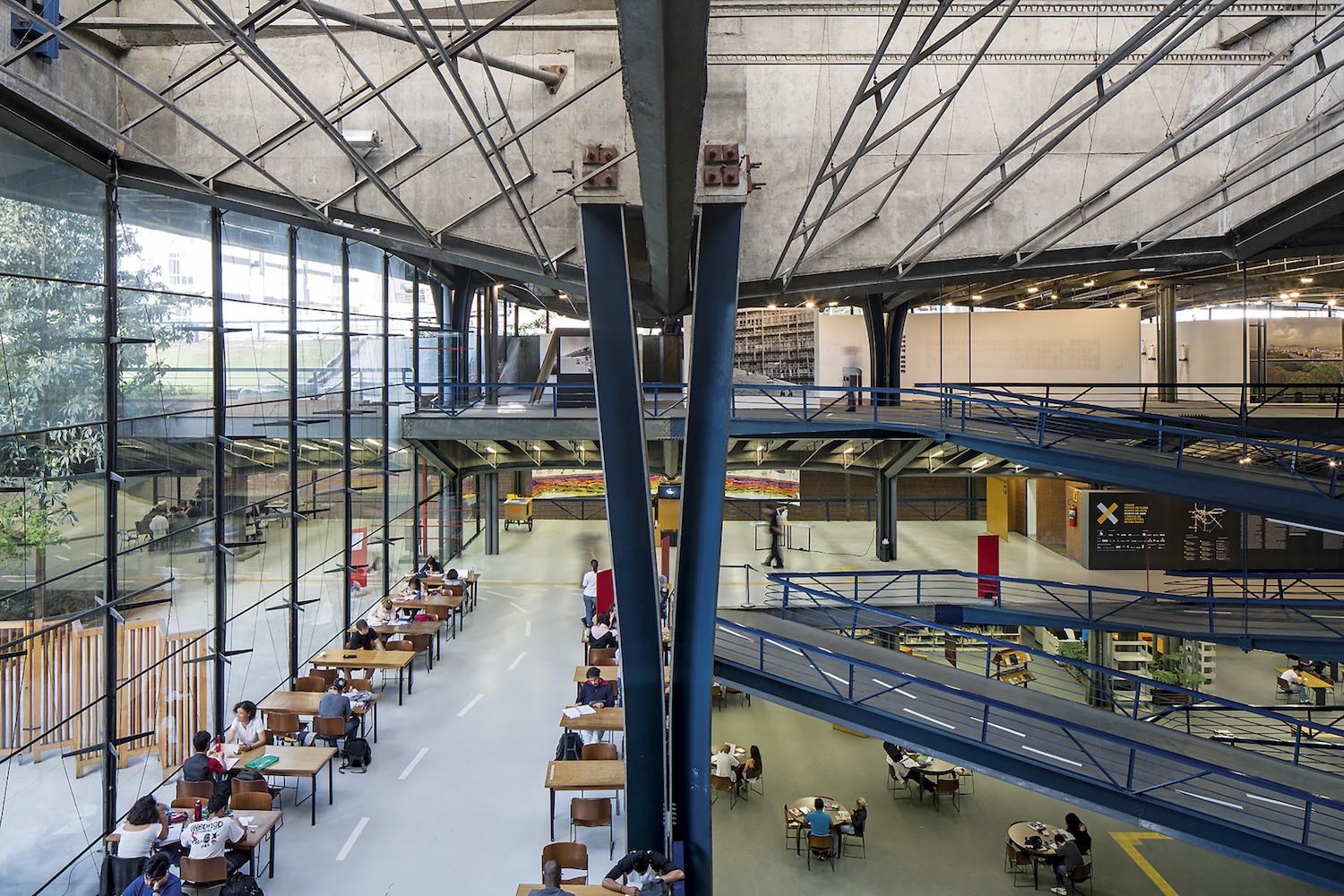
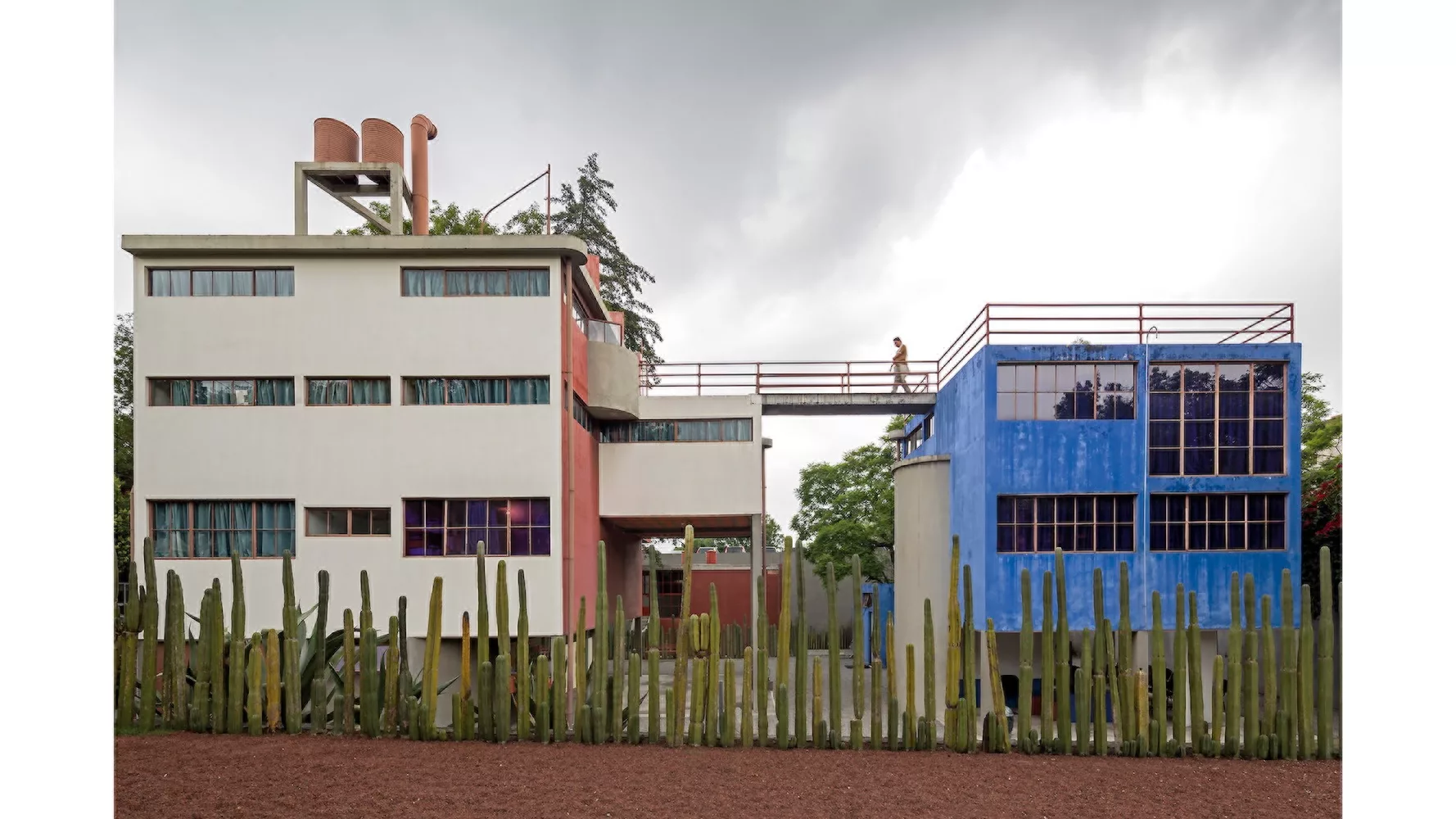
The exhibition is built around more than 100 photographs by Brazilian photographer Leonardo Finotti, whose two-decade project set out to systematically document modernist architecture across twelve Latin American cities: Buenos Aires, Bogotá, Caracas, Guatemala City, Havana, Lima, Mexico City, Montevideo, Quito, San José, Santiago, and São Paulo. Shot between 2010 and 2024, the images capture buildings completed between 1928 and 1982 — a fifty-four-year window that spans the region's most explosive period of architectural experimentation, from early modernist civic buildings through the bold, sculptural forms that would come to define Latin American design on the world stage.
A CONTINUUM, NOT A COLLECTION
What distinguishes "Latinitudes" from a typical architectural photography show is its physical presentation. Rather than grouping images by city, architect, or chronology in discrete gallery sections, curator Michelle Jean de Castro — a Brazilian architect — arranged the 119 framed photographs, ranging from 8-by-11-inch prints to sweeping 26-by-37-inch pieces, in a single horizontal continuum that runs through the historic rooms of Madlener House. All the frames are finished in Brazilian walnut, a material choice that quietly reinforces the exhibition's regional identity even in its display hardware.
The effect, according to visitors and critics who have walked through it, is less like touring a museum exhibition and more like tracing a single, unbroken architectural sentence that happens to span a continent — a deliberate curatorial argument that Latin American modernism, despite unfolding across dozens of countries and political contexts, constitutes a coherent and continuous design language rather than a series of disconnected regional pockets.
THE ARCHITECTS BEHIND THE LENS
The buildings captured span residential, commercial, religious, civic, and academic typologies, and the roster of architects represented reads like a survey of twentieth-century modernism's most significant — and, in the U.S. context, most underrecognized — figures. Luis Barragán's serene, color-saturated Mexican residences appear alongside Oscar Niemeyer's sweeping Brazilian civic forms; Lina Bo Bardi's Brutalist-inflected Brazilian institutions sit near Félix Candela's hyperbolic concrete shells; Ricardo Legorreta's vibrant Mexican commercial buildings and Paulo Mendes da Rocha's raw concrete structures appear beside the work of Juan O'Gorman, whose mosaic-clad Mexico City library remains one of the most photographed buildings in the country. Alongside these celebrated names, Finotti's lens also gives space to dozens of lesser-known regional architects whose work rarely travels beyond local academic circles, let alone into a U.S. gallery.
"Latinitudes" arrived in Chicago through a partnership with the Chicago Architecture Biennial, and was selected for the Graham Foundation's program by Florencia Rodriguez, the Biennial's artistic director, whose broader curatorial theme — "SHIFT: Architecture in Times of Radical Change" — situates the exhibition within a larger conversation about how architecture responds to political and social upheaval. Latin America's modernist boom, after all, unfolded against a backdrop of newly formed democracies, authoritarian regimes, oil booms, and waves of urbanization — context that gives many of the buildings in Finotti's photographs a charge well beyond their formal qualities.
A PROJECT BUILT TO OUTLAST ITS EXHIBITION
Perhaps the most significant aspect of "Latinitudes" is that its closing in Chicago is not really an ending. The exhibition coincides with the release of "A Collection of Latin American Modern Architecture, Volume 2," published by the Swiss architecture and design press Lars Müller Publishers — the second installment in a planned three-volume series that will eventually document the full scope of Finotti's twenty-two-city archive. The book series, like the exhibition, is designed as a long-term act of preservation as much as celebration: a growing number of the structures photographed have been altered, demolished, or left to deteriorate in the years since Finotti first documented them, making his photographic record an increasingly urgent piece of architectural conservation.
"This is a long-term effort to document the region's modern architecture," said one figure close to the project, framing the book series not as a coffee-table retrospective but as an active archival undertaking — one racing, in some cases, against the physical decline of the buildings themselves.

WHY THIS MATTERS BEYOND CHICAGO
For decades, the canon of twentieth-century modernism taught in American architecture schools has skewed heavily toward European and North American figures — Le Corbusier, Mies van der Rohe, Frank Lloyd Wright — with Latin American modernism treated, at best, as a regional footnote rather than a parallel and equally rigorous tradition. Exhibitions like "Latinitudes," alongside a broader wave of recent scholarship and museum programming revisiting the region's architectural legacy, are part of a slow but deliberate correction to that framing.
The stakes go beyond academic recognition. Many of the buildings Finotti photographed face genuine preservation threats — economic pressure, deferred maintenance, or simple public indifference to structures that, in their home cities, are sometimes viewed as unremarkable relics of a bygone era rather than the significant cultural landmarks that architecture historians consider them to be. A traveling exhibition and a multi-volume publication series create both an international paper trail and a renewed sense of local pride that can, in the best cases, translate into actual preservation advocacy.
WHAT THIS MEANS FOR DESIGN-MINDED READERS
For anyone with even a passing interest in architecture, "Latinitudes" — even as it closes its Chicago run today — offers a clear signal of where architectural discourse is heading: toward a more genuinely global accounting of modernism's many parallel movements, and toward photography and publishing as tools of preservation, not just documentation. Readers who missed the Chicago show can look for the traveling exhibition's next stops, expected to be announced as the broader three-volume book project continues, or seek out "A Collection of Latin American Modern Architecture, Volume 2" directly through Lars Müller Publishers.
As Madlener House's galleries are dismantled this week, what remains is Finotti's growing archive — a photographic record insisting, one carefully composed frame at a time, that the story of modern architecture was never told in full without Latin America at its center.
Published By | Features Editor