Written By | Sports Desk
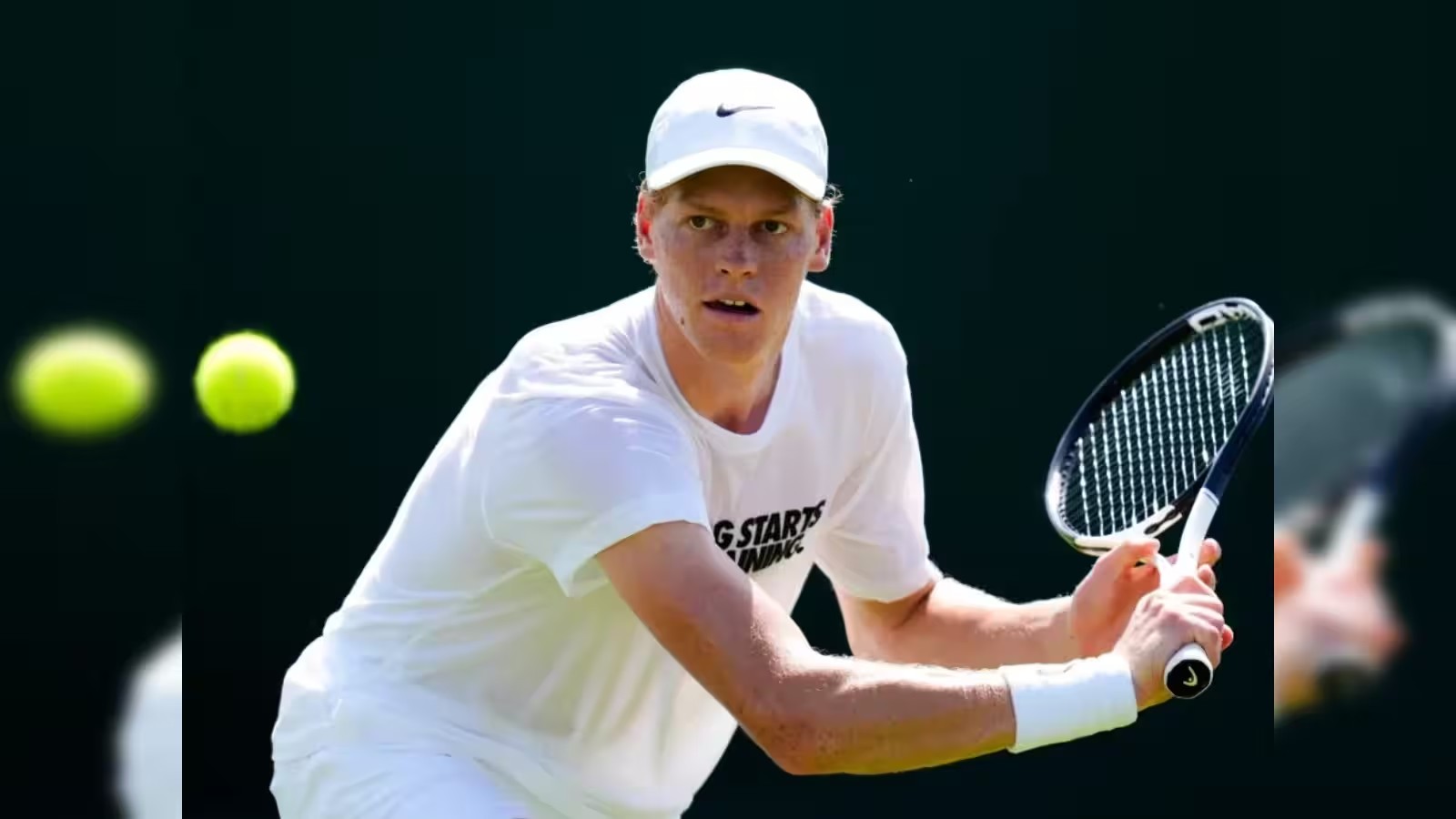
World No. 1 pulls out of Flushing Meadows with a right knee injury, ending a seven-year Grand Slam streak and blowing the men's draw wide open
NEW YORK
For the first time since he was a gangly 18-year-old qualifying out of the Italian junior ranks, Jannik Sinner will not walk onto a Grand Slam court this year at Flushing Meadows. The world No. 1, defending US Open finalist and two-time major champion confirmed this week that a right knee injury will keep him out of the year's final Grand Slam, closing the book on a run that had made him tennis's most reliable fixture since his major debut in 2019.
"This is one of the hardest announcements I've had to make," Sinner said in a statement released through his team. "I've been back on court in Monte Carlo the last couple of days trying to test the knee, and I know deep down it's not ready. I'm sad and disappointed, because New York is a tournament I love, but I have to be smart about my body." His team told the BBC that surgery is not required and that the plan is straightforward rest and rehabilitation, with a target return during the Asian hard-court swing in Beijing and Shanghai in October.
A streak seven years in the making, gone in an instant
To understand why Sinner's withdrawal registers as seismic rather than routine, you have to look at the run it interrupts. Since his US Open main-draw debut in 2019, Sinner had played every Grand Slam without missing a single one — through injuries, through a doping-related suspension that cost him ranking points but never a major appearance, through the grind of becoming the most physically imposing baseliner of his generation. He won the US Open in 2024, defended it into a runner-up finish last year, and arrived at this season having not lost a completed match since lifting the Wimbledon trophy in July. He simply hasn't played since — the knee issue flared during off-season training and never fully resolved, despite a low-key hitting session in Monte Carlo that his camp had hoped would prove him fit.
It's a cruel irony for a player whose calling card has always been durability. Where rivals like Novak Djokovic managed load with strategic tournament skips and Carlos Alcaraz has battled a string of muscular niggles, Sinner built his reputation on being the sport's most complete, least fragile weapon — a 6-foot-2 frame that generated some of the heaviest, flattest groundstrokes in the game without ever seeming to strain for them. That reputation now carries an asterisk, at least for 2026.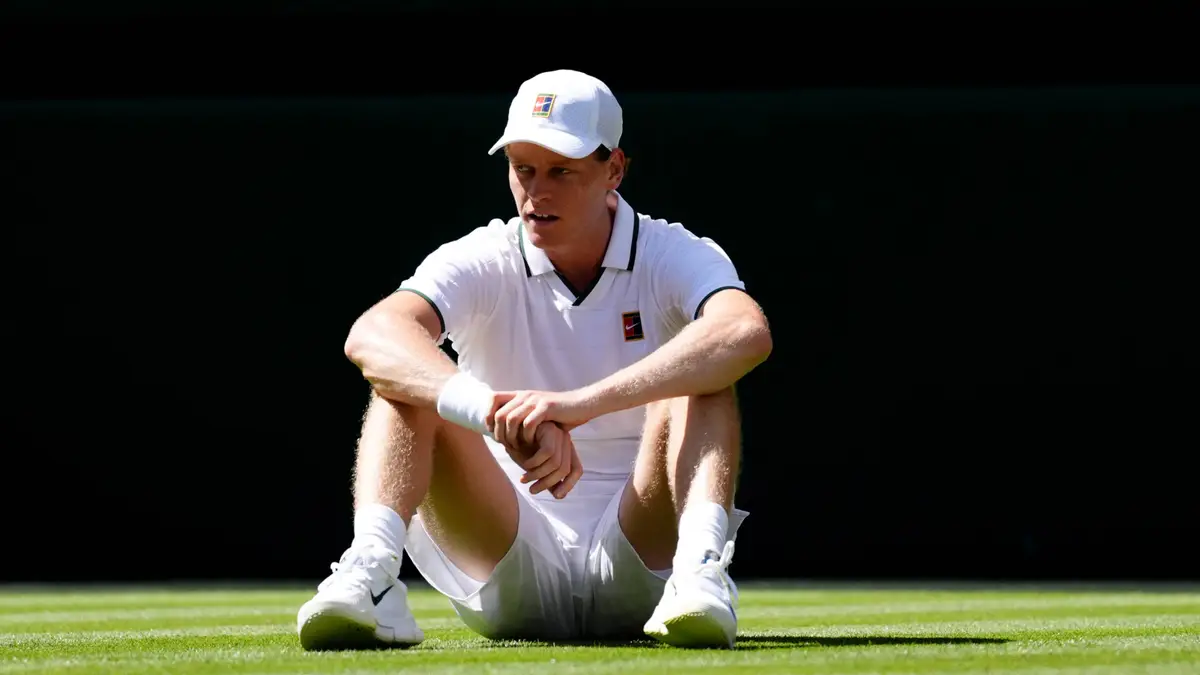
Who benefits: Zverev, Alcaraz and a wide-open men's draw
The immediate consequence plays out in the seeding. Alexander Zverev, the towering German who has spent much of his career as tennis's most talented perennial nearly-man, inherits the No. 1 seed at Flushing Meadows — a remarkable twist for a player who has never won a major but has now been handed the top line at one by attrition rather than ranking points. Carlos Alcaraz, the two-time US Open champion and Sinner's fiercest rival, slots in at No. 2, instantly becoming the tournament's outright favorite in the eyes of bookmakers and pundits alike. Felix Auger-Aliassime rounds out the reshuffled top three, a career-best positioning for the Canadian entering the tournament's second week.
For the sport's broadcasters and marketers, Sinner's absence is a genuine headache. He has been the single biggest ratings draw in men's tennis over the past two seasons, his rivalry with Alcaraz drawing comparisons to Federer-Nadal for a new generation. A US Open final without either the world No. 1 or a Sinner-Alcaraz rematch loses some of its box-office shine, even if Alcaraz's presence alone guarantees a marquee name at the top of the draw.
The bigger picture: load management in an unforgiving calendar
Sinner's withdrawal also reopens a conversation that has simmered around men's tennis for years: whether the modern calendar, with its back-to-back hard-court, clay and grass stretches and near-mandatory participation requirements under ATP rules, is sustainable for the sport's biggest stars. Sinner played through a taxing spring and summer that included a deep Wimbledon run, and his team's decision to prioritize long-term health over a single tournament — even one as prestigious as the US Open — reflects a broader shift in how top players and their camps are managing careers built for longevity rather than short-term glory.
Dr. Babette Pluim, a sports medicine physician who has written extensively on tennis injuries for the British Journal of Sports Medicine, has noted in previous commentary that knee complaints in elite tennis players are frequently linked to the repetitive loading of explosive lateral movement on hard courts — precisely the surface Sinner would have faced in New York. Whether or not that dynamic specifically explains his injury, it underscores why players and coaching teams increasingly treat "not required" surgery announcements with the same seriousness as a more dramatic diagnosis: rushing back onto hard courts too early risks turning a manageable injury into a chronic one.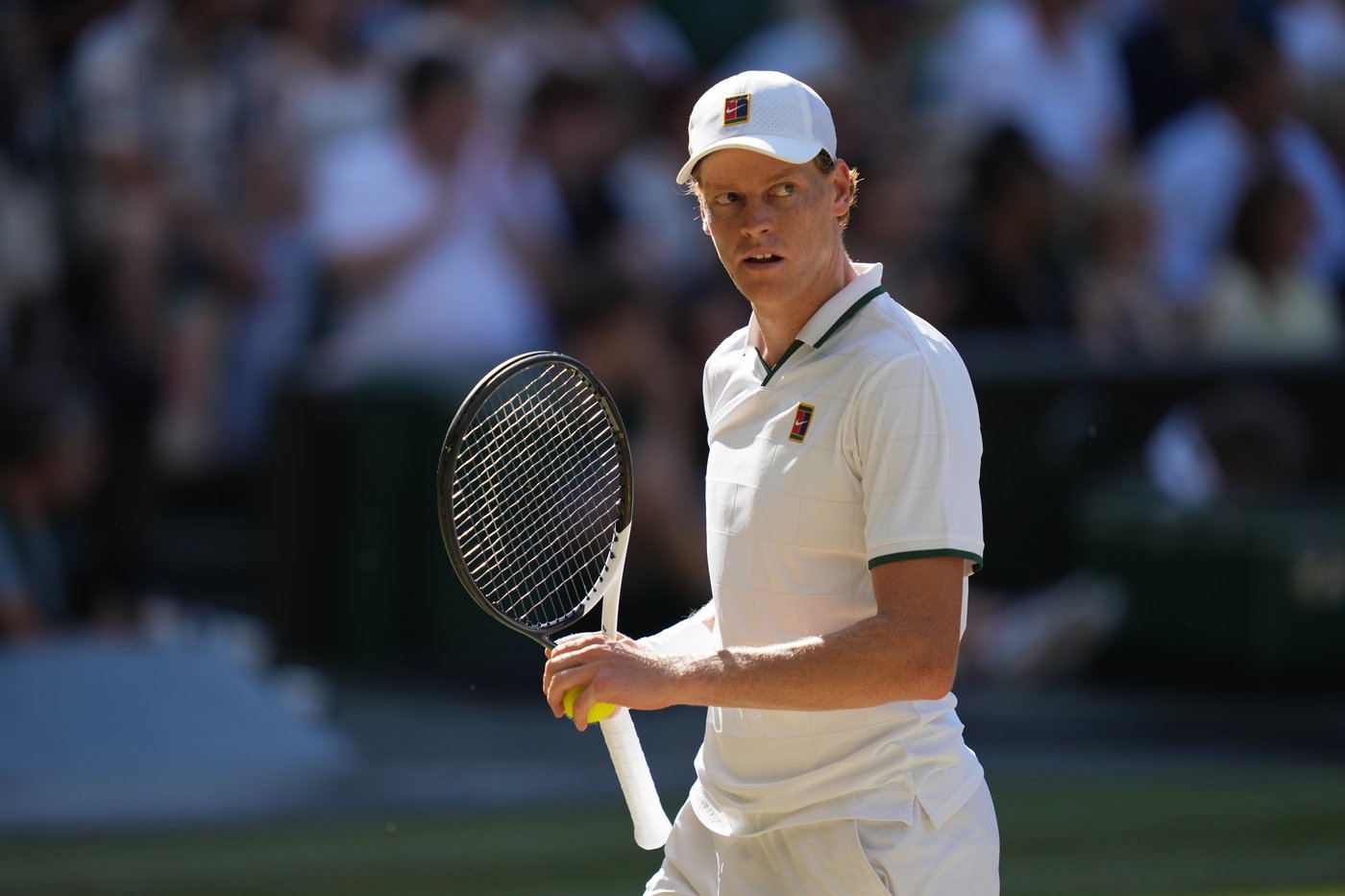
What this means for tennis fans
For fans who built their August around watching the world No. 1 defend his Flushing Meadows title, the news is a genuine disappointment — but it's also an opportunity. Wide-open majors have historically produced some of the sport's most memorable moments, from surprise semifinalists to career-defining breakthroughs for players previously stuck in the shadows of the "Big" names of their era. Keep an eye on Auger-Aliassime, who has quietly built the best hard-court season of his career, and on the deep American contingent looking to capitalize on a favorable draw in their home Slam.
Looking ahead
Sinner's camp has been careful not to frame this as anything beyond a temporary setback. Barring complications, he's expected to be back on tour in Asia this fall, with the 2027 Australian Open shaping up as his likely return to Grand Slam competition on home turf, metaphorically speaking, as the sport's reigning No. 1. Until then, Flushing Meadows will crown a champion without him for the first time in seven years — and tennis will find out just how much of its current era depends on one man's knees holding up.



