Written By | Entertainment Desk
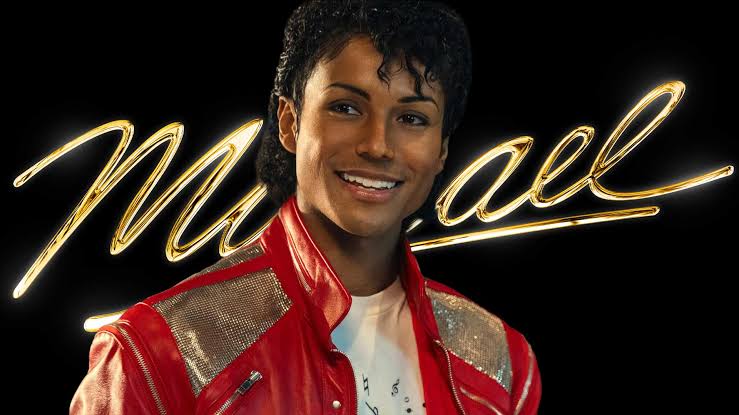
"Michael," the highest-grossing music biopic ever made, begins streaming on Starz today — reigniting the fight over how much of the King of Pop's full story a film is willing to tell.
LOS ANGELES
Four months after it shattered box office records with a $97 million opening weekend, "Michael" arrives on Starz today, closing out a 108-day theatrical run and beginning its second life as one of the most-anticipated streaming premieres of the year. For a film that has already crossed $1 billion worldwide — the first music biopic in history to do so, surpassing both "Bohemian Rhapsody" and Christopher Nolan's "Oppenheimer" in the process — the streaming debut isn't just a release date. It's a referendum on whether the movie's audience-approved, critic-skeptical split will hold once the film is available to anyone with a remote control and a subscription.
From Motown to the Mainstage
Directed by Antoine Fuqua from a script by John Logan and produced by Graham King (the team behind "Bohemian Rhapsody"), "Michael" traces its subject's arc from the Jackson 5's Motown beginnings in the late 1960s through the "Bad" era stadium tours of the late 1980s. The casting coup at its center is Jaafar Jackson — Michael's real nephew, son of Jermaine Jackson — making his acting debut in the title role, a decision that generated both immediate tabloid fascination and, per early reactions, an eerie physical and vocal resemblance that reportedly startled even members of the Jackson family on set. Colman Domingo and Nia Long round out the cast as Joseph and Katherine Jackson.
The numbers alone tell a remarkable commercial story. "Michael" didn't just open big; it sustained, a rarity in an era when even successful films tend to collapse after their first two weekends. Reaching $1 billion by mid-July made it Lionsgate's highest-grossing release ever, outpacing franchise tentpoles the studio had built entire release calendars around.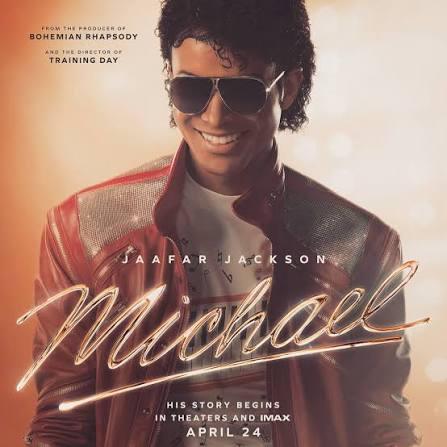
The Reception Gap
But the film's commercial triumph sits alongside a more complicated critical story — one that has followed it since its April debut and will likely follow it onto streaming. Audiences have been rapturous: the film holds a 96% audience score on Rotten Tomatoes, the best mark ever recorded for a music biopic. Critics have been far more measured, with many reviews praising Jaafar Jackson's uncanny performance while raising pointed questions about what the film leaves out.
The most consistent critique is structural: by ending its narrative arc around the "Bad" tour of the late 1980s, "Michael" sidesteps the child sexual abuse allegations that would come to define much of the public conversation around Jackson in the decades that followed, first in the 1993 and 2005 cases and later in the 2019 documentary "Leaving Neverland." Some critics have characterized the film's timeline choice as a sanitization by omission rather than a genuine artistic boundary — a criticism the film's producers have largely declined to engage with directly, instead pointing to Fuqua's own framing of the project as a celebration of Jackson's artistry and cultural impact.
Director Antoine Fuqua, addressing the film's box office milestone in July, called it "a deeply humbling moment that celebrates the tireless dedication of our incredible producers, cast, crew, and partners" — a statement that, notably, spoke to the film's commercial and craft achievements without directly wading into the fuller biographical debate swirling around it.
Why the Streaming Debut Matters
Theatrical releases self-select for a certain kind of viewer — one willing to pay for a ticket and commit to a specific narrative framing going in. Streaming premieres are different: they arrive in living rooms unannounced, discovered via algorithm as much as intention, watched by audiences who may know Jackson only through his music rather than the tabloid decades that followed his most productive years. That shift in access is precisely why today's Starz debut matters as a cultural moment in its own right, not just a distribution footnote.
It also arrives at a moment when biopics about complicated cultural figures are under unusually intense scrutiny — audiences increasingly asking not just "is this a good movie" but "is this an honest one." "Michael" is a test case for whether a film can have both a defining commercial life and an unresolved reputational one running in parallel.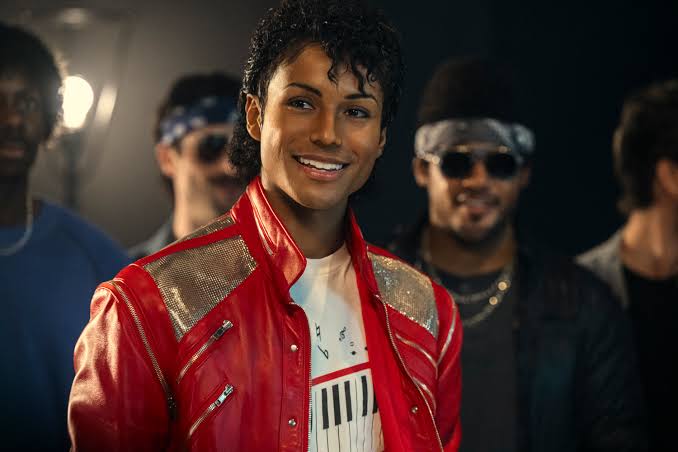
What This Means for Viewers
For anyone deciding whether to watch tonight, the film functions less as a comprehensive biography than as a music-driven celebration of Jackson's rise — expect meticulous recreations of the Motown 25 performance, the "Thriller" video shoot, and the Jackson 5's earliest club dates, alongside genuinely committed performances from its cast. Viewers looking for a reckoning with Jackson's later legal history will need to look elsewhere; those looking for a technically dazzling, emotionally engineered account of how a child prodigy became the best-selling music artist in history will likely find exactly what a billion dollars' worth of ticket buyers already found.
The Bigger Picture
"Michael" was always going to be a commercial phenomenon — Jackson's catalog remains one of the most bankable in music history, and the appetite for his story, however told, was never really in doubt. What its streaming debut settles is subtler: whether a film's box office triumph can coexist indefinitely with a critical consensus that it left the hardest parts of its subject's life off screen. As of today, millions more viewers get to decide for themselves which version of that story they came for.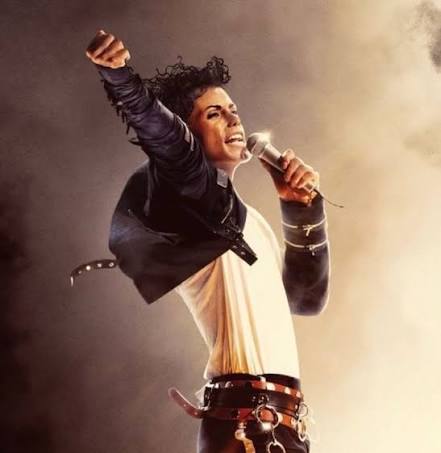
The film also lands in a streaming marketplace increasingly crowded with music biopics chasing its formula — a genre boom that "Michael" itself helped accelerate. Studios that spent years passing on Jackson's story over its complexity are now reportedly fast-tracking similar catalog-driven projects, wagering that audiences will keep showing up for spectacle even when critics ask harder questions. Whether that bet holds for the next film in line, without a nephew's uncanny resemblance or a billion-dollar theatrical run to fall back on, remains an open question for an industry watching "Michael" as closely as any streaming service's subscriber numbers.
For Starz, meanwhile, the acquisition is as much a business story as a cultural one: landing the exclusive streaming home for the year's biggest theatrical crossover is the kind of subscriber-driving event smaller platforms rarely get to claim, and executives are already citing the deal internally as validation of a strategy built around a handful of marquee titles rather than a sprawling catalog. Tonight's premiere will be the first real test of whether that bet converts curiosity into sign-ups.



