Written By | International News Desk

What started as satire — the party's name mocks both the BJP's initials and a dismissive comment made about the protesters — quickly took on real organizational weight
Background
For weeks now, a satirical political movement with an unlikely name has been reshaping the conversation around youth discontent in India. The Cockroach Janta Party, or CJP — a name that jabs at Prime Minister Narendra Modi's ruling Bharatiya Janata Party (BJP) and reclaims an insult once hurled at protesters by a judge — has grown from an online joke into a sustained street movement camped out at Jantar Mantar, the historic protest ground in central Delhi. Its central demand is the resignation of India's federal education minister, Dharmendra Pradhan, but the anger fueling it runs much deeper, touching on youth unemployment, exam integrity, and a broader sense among India's under-30 population that the political system is not listening to them.
The immediate trigger was the cancellation of the NEET-UG 2026 medical entrance examination, originally scheduled for May 3. The government scrapped the exam after credible evidence surfaced of a widespread paper leak and systemic irregularities, the latest in a long line of exam scandals that have plagued India's high-stakes testing system, including a separate controversy over CBSE's on-screen marking process. For millions of Indian students who spend years and family savings preparing for exams that determine access to medical school, engineering programs, and government jobs, the cancellation was a breaking point. It landed against a backdrop of stark economic frustration: despite India's rapid GDP growth in recent years, unemployment among 15-to-29-year-olds has remained stuck around 15 percent, roughly three times the national average, leaving a huge, well-educated cohort of young people with credentials but no clear path forward.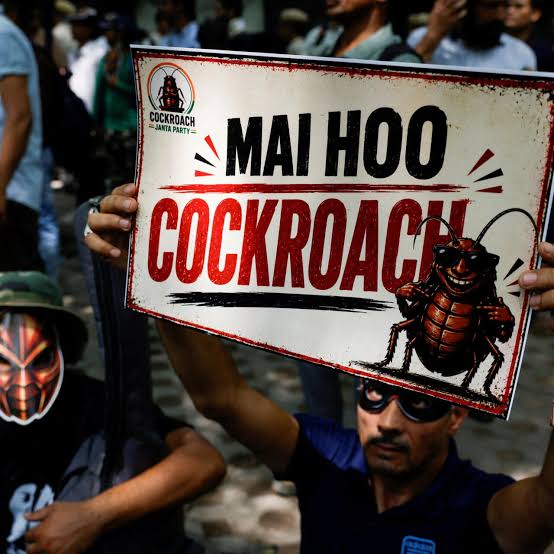
Key Developments
The CJP was founded by Abhijeet Dipke, a 30-year-old graduate of Boston University who left the United States and flew to India earlier this year specifically to lead the movement in person. What started as satire — the party's name mocks both the BJP's initials and a dismissive comment made about the protesters — quickly took on real organizational weight. Within weeks of its launch, the CJP's Instagram account had attracted more than 22 million followers, a figure that, remarkably, surpassed the official Instagram followings of both the ruling BJP and the opposition Congress party, giving a leaderless-feeling youth movement a larger built-in audience than India's two largest political parties combined possess on the platform.
The protest movement has unfolded in stages. An initial rally took place in early June, followed by a second, larger nationwide mobilization at Jantar Mantar on June 20 that evolved into a continuous, open-ended sit-in rather than a single-day event. Dipke has said he will not leave Jantar Mantar until Pradhan resigns, and as of early July the encampment had stretched on for multiple days despite police presence, riot gear, and steel barricades erected around the protest site — a level of security response that observers say reflects how large, sustained demonstrations in India have often been met in recent years with legal crackdowns and criminal cases against organizers.
What distinguishes the CJP from a conventional protest movement is its embrace of theatrical, pointedly satirical tactics. Demonstrators have offered roses to police officers stationed at the barricades, carried the Indian national flag alongside pocket copies of the Constitution, and — in a direct callback to Modi's own request that citizens bang pots and pans in a show of unity during the early days of the Covid-19 pandemic — brought steel plates and spoons to bang together at the protest site. The movement's small core organizing team has also been working on more substantive policy proposals, drafting recommendations for overhauling India's examination and education system, an issue organizers argue mainstream political parties have neglected for years despite its outsized impact on the country's enormous youth population.
Reactions
The government's response has oscillated between conciliatory messaging and open hostility. On June 13, Modi posted on social media platform X that his government was "working towards youth-led development," arguing that a defining feature of his twelve years in power had been the confidence with which India's youth have pursued their ambitions — a framing that implicitly sought to separate his government's broader record from the specific grievances driving the protests. Education Minister Pradhan, the direct target of the movement's central demand, took a markedly more combative tone, telling Indian news channel NDTV that the Cockroach Janta Party amounted to the "B-team of terror groups," a characterization that drew significant backlash and was seen by many commentators as inflaming rather than defusing the standoff.
International and regional observers have moved quickly to place the Indian protests in the context of a broader wave of youth-led political unrest that has swept South Asia in recent years. Analysts at Chatham House, the Carnegie Endowment for International Peace, and elsewhere have drawn direct comparisons to Sri Lanka's 2022 economic-collapse protests, Bangladesh's 2024 quota-reform movement that ultimately helped topple Prime Minister Sheikh Hasina's government, and Nepal's 2025 protests sparked by a social media ban and corruption anger. Commentators note that while each movement had a distinct triggering issue — sovereign debt in Sri Lanka, government job quotas in Bangladesh, digital censorship in Nepal, and exam integrity and joblessness in India — they share a common underlying thread: young, digitally organized populations rejecting what they see as entrenched nepotism, corruption, and unresponsive governance by an older political elite.
Despite those parallels, most analysts examining the Indian case have been careful to note an important distinction: unlike in Nepal and Bangladesh, where youth-led protests contributed directly to the fall of sitting governments, India's Cockroach Janta Party movement is widely seen as unlikely to unseat Modi's government, given the BJP's deep institutional entrenchment, its dominant position in Parliament, and Modi's continued personal popularity. Even so, commentators argue the movement introduces genuine political uncertainty and has already demonstrated an ability to force national conversation on issues — youth unemployment, exam corruption, and government responsiveness — that had previously received comparatively little sustained political attention.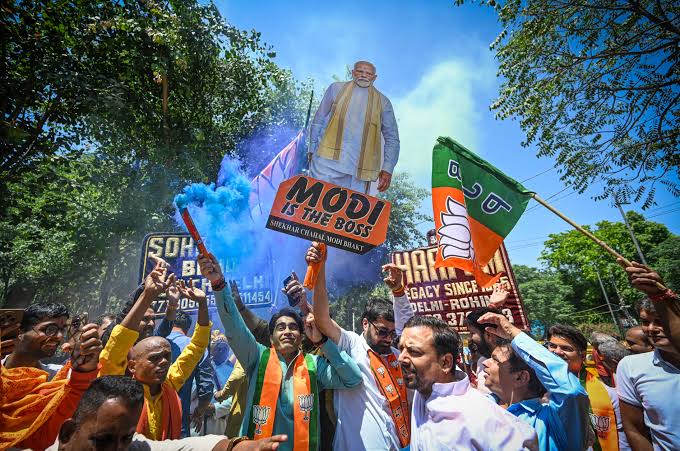
What's Next
As of this week, the sit-in at Jantar Mantar continues, with Dipke and core organizers showing no signs of standing down and signaling they are prepared to sustain the occupation indefinitely until Pradhan resigns or the government makes some other concrete concession on exam reform. The central open question is whether the Modi government shifts toward negotiation and reform — for instance, a substantive overhaul of the NEET examination process or personnel changes at the education ministry — or continues with the more confrontational posture exemplified by Pradhan's "B-team of terror groups" remark, which risks further inflaming a movement that has already shown a talent for turning government hostility into fresh publicity and support.
There is also the question of scope: so far the CJP's formal demands have centered narrowly on the education minister's resignation and exam integrity, but the underlying anger — chronic youth unemployment, a sense of being locked out of opportunity despite strong national economic growth — could plausibly broaden the movement's agenda if it continues to grow. Given the recent precedents in Nepal and Bangladesh, where protests that began around specific, narrow grievances expanded rapidly into broader anti-government movements, Indian authorities and political parties across the spectrum are likely to watch the CJP's trajectory closely in the weeks ahead, both for its implications for Modi's government and for what it might signal about the durability of the broader Gen Z protest wave now moving through South Asia and beyond.



