Nashville, Tennessee
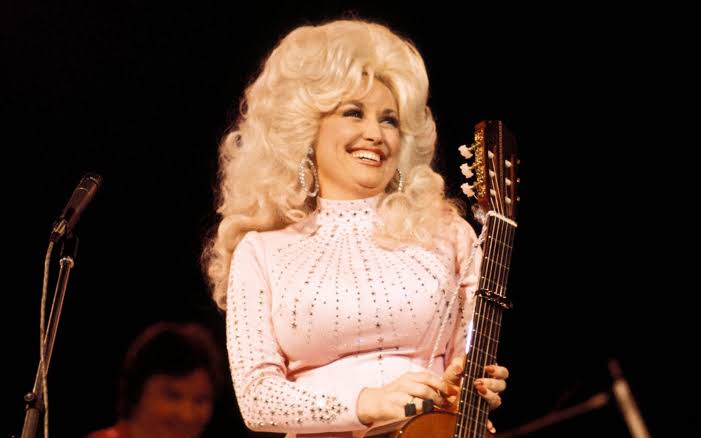
Dolly Parton, the rhinestone-clad songwriter, actress, businesswoman and philanthropist who turned a hardscrabble Tennessee childhood into one of the most beloved careers in American entertainment, died Tuesday in Nashville at age 80. Her family confirmed she died at Vanderbilt-Ingram Cancer Center, surrounded by loved ones, after what her publicist described as a brief battle with cancer.
News of her death broke first through her nephew, Bryan Seaver, who shared the announcement on Instagram, followed shortly by a formal statement from her longtime publicist, Marcel Pariseau. "She died peacefully, surrounded by family, after bravely facing a brief battle with cancer," the statement read, describing a woman who "spent her life bringing joy, laughter, hope and integrity into everything she touched."
A Nation Pauses
The scale of the response arrived almost immediately. Flags at the White House were lowered to half-staff in her honor, an unusual gesture for an entertainer that underscored just how far Parton's cultural reach extended beyond the country music charts. Tributes poured in from across the entertainment world within hours, spanning genres, generations and political lines in a way few modern public figures could claim to unite.
Taylor Swift, who has cited Parton as a formative influence on both her songwriting and her business instincts, wrote that because of "the eternally generous way" Parton spent her life, and the countless people she changed for the better, her legacy would be an "everlasting one." Oprah Winfrey, a friend of decades, said Parton "dreamed a life and then lived a life bigger than she could have ever imagined, giving so generously to others in ways we saw and ways we didn't." Reba McEntire, a peer across generations of country music, thanked her "longtime friend for all the wonderful things you did for us here on earth," pointing to both her music and what McEntire called her "generous heart."
"She dreamed a life and then lived a life bigger than she could have ever imagined, giving so generously to others in ways we saw and ways we didn't." — Oprah Winfrey
A Career Built From Nothing
Parton's story began in a one-room cabin in the Great Smoky Mountains of Tennessee, one of twelve children born to a tobacco farmer and a homemaker. She began performing on local radio and television as a child and moved to Nashville the day after graduating high school, launching a recording career that would eventually produce more than 3,000 songs, dozens of albums, and signature hits — among them "Jolene," "I Will Always Love You," and "9 to 5" — that crossed from country radio into the broader fabric of American pop culture.
She was never just a singer. Parton built Dollywood, the theme park anchoring her home region of East Tennessee, into one of the state's largest employers and tourist draws. She acted in and produced films and television. And she built a reputation, rare among entertainers of her stature, for genuine, sustained philanthropy — most famously through her Imagination Library, a program that has mailed free books to children around the world for decades, an initiative she often called the achievement she was proudest of, prouder even than her music.
The Opry's Farewell
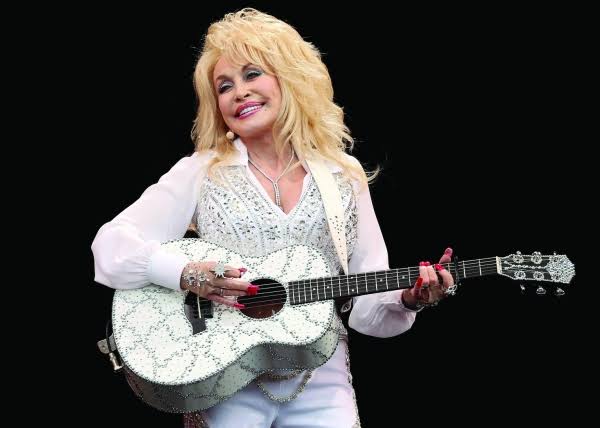
Nashville's Grand Ole Opry, the institution most closely associated with country music's soul, announced it would dedicate an entire weekend show to Parton, with performers including Carly Pearce scheduled to take the stage in tribute to her life, her legacy and what the Opry called her "massive contributions to country music." It is the kind of sendoff typically reserved for the genre's most foundational figures — a fitting one for an artist who, over sixty years, never stopped being both a superstar and, by all accounts, remarkably down to earth.
What Her Death Means for Fans
For the generations of listeners who grew up on her music, and for the country music industry she helped shape and modernize, Parton's death closes a chapter that felt, improbably, like it might never end — she had remained a vocal, active, visible presence in American culture well into her eighties, releasing new music and appearing in public as recently as this year. Her catalog, her theme park, and her charitable programs are expected to continue under structures she spent years putting in place specifically to outlast her.
Fans looking to honor her are being pointed toward the Imagination Library and Dollywood's foundation as the clearest continuation of the causes she cared about most. Grief counselors and entertainment commentators alike have noted the unusual breadth of public mourning her death has triggered — a reflection, they say, less of celebrity than of a genuinely rare public figure who built a lifetime of goodwill one act of generosity at a time.
The Bottom Line
Dolly Parton spent sixty years being called a legend, and rarely seemed to believe her own hype — a trait that, as much as any song in her catalog, may be what people are mourning most this week. Colleagues who worked with her over the decades often remarked that the warmth she projected on stage and screen was, by every account, indistinguishable from who she was off camera: a songwriter who wrote hits for herself and gave away others, a businesswoman who reinvested in her home region rather than leaving it behind, and a public figure who managed to stay beloved across political and generational divides in an era when almost no one does.
She is survived by her husband's family, her eleven siblings' extended families, and a body of work and philanthropy that will keep her name in circulation for generations to come. Public memorial details in Nashville were still being finalized as of Wednesday, with officials in Tennessee expected to announce further state-level tributes in the coming days.
Published By | Entertainment Editor