Written By |
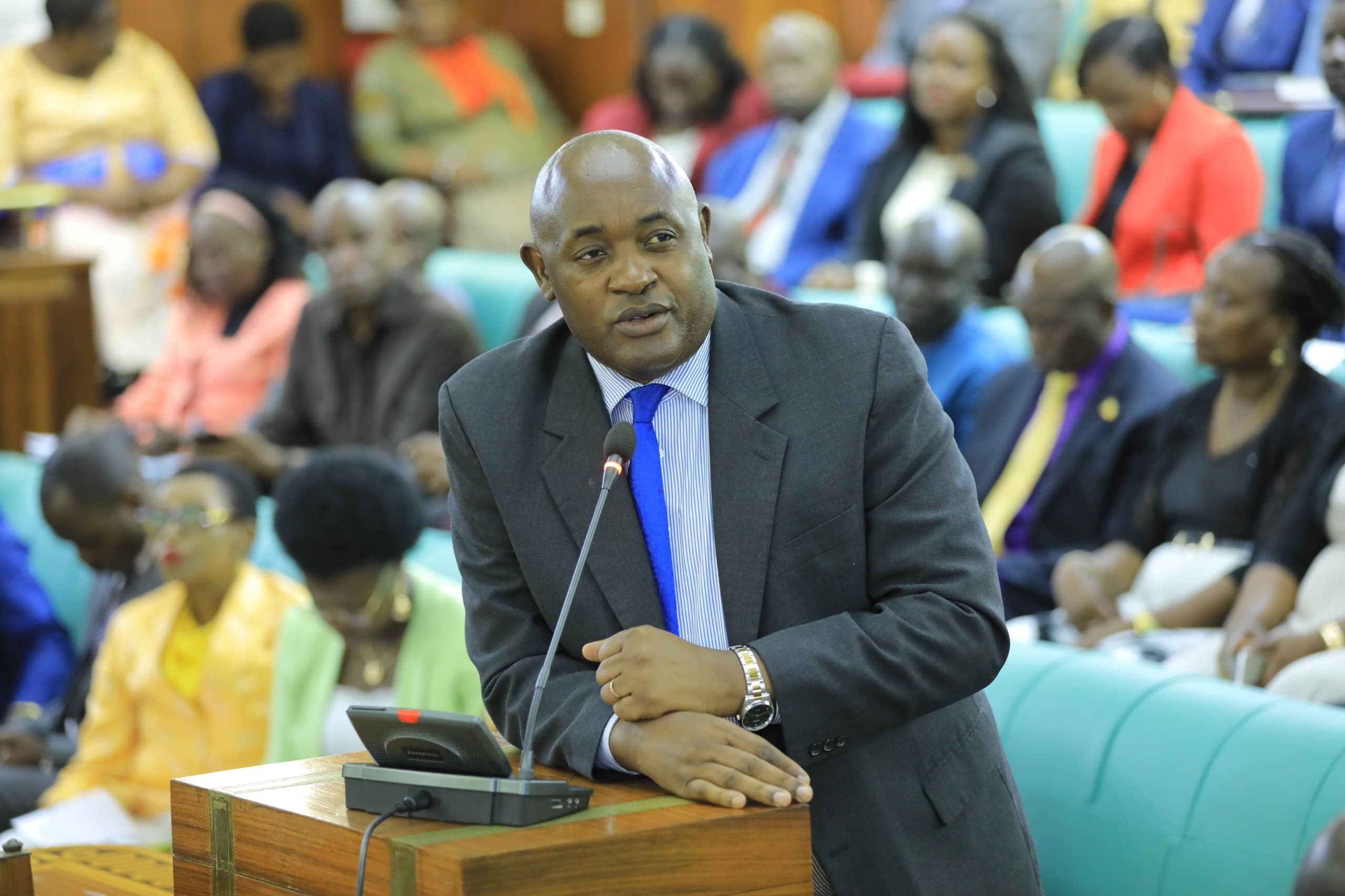
Baryomunsi expressed concern over the rise of unregistered moneylenders exploiting innocent Ugandans
By Our Reporter
The Ugandan government has announced plans to regulate moneylenders' interest rates, linking them to the country’s annual inflation rate to protect citizens from exploitative lending practices.
Minister of Information, Communication Technology, and National Guidance, Chris Baryomunsi, revealed that this decision, made during a Cabinet meeting chaired by President Yoweri Museveni, aims to shield vulnerable Ugandans from unregulated interest rates that have driven many into severe poverty. The move will be implemented through guidelines from the Ministry of Finance.
Baryomunsi expressed concern over the rise of unregistered moneylenders exploiting innocent Ugandans, often through deceptive agreements that result in the loss of property used as collateral. He highlighted that while Uganda operates a liberalized economy, the government cannot ignore the harm caused by greedy moneylenders.
To address these issues, the government plans to review existing legislation and enforce stricter regulations, urging the public to verify the credentials of moneylenders before borrowing.
Valuers' law approved
The Cabinet also approved the Valuation Bill, which will establish a professional body to certify land valuers and regulate valuation practices in Uganda. This law, led by the Ministry of Lands, aims to standardize land valuation, reduce fraud, and ensure fair property assessments.
A digital system, the Land Valuation Management Information System (LaVMIS), will be introduced to streamline land valuation data and make accurate information accessible across Uganda.
Museveni's directive on interest rates
In June, President Museveni instructed the Attorney General and the Finance Ministry to draft a law capping interest rates, following public outcry over high rates charged by moneylenders and banks. Museveni argued that such regulation would boost savings, investments, and the growth of small and medium enterprises, which are vital to Uganda's economy.
The new law will also seek to criminalize extortionate lending practices.
Torch Media Africa



