Written By | Peter Luzinda
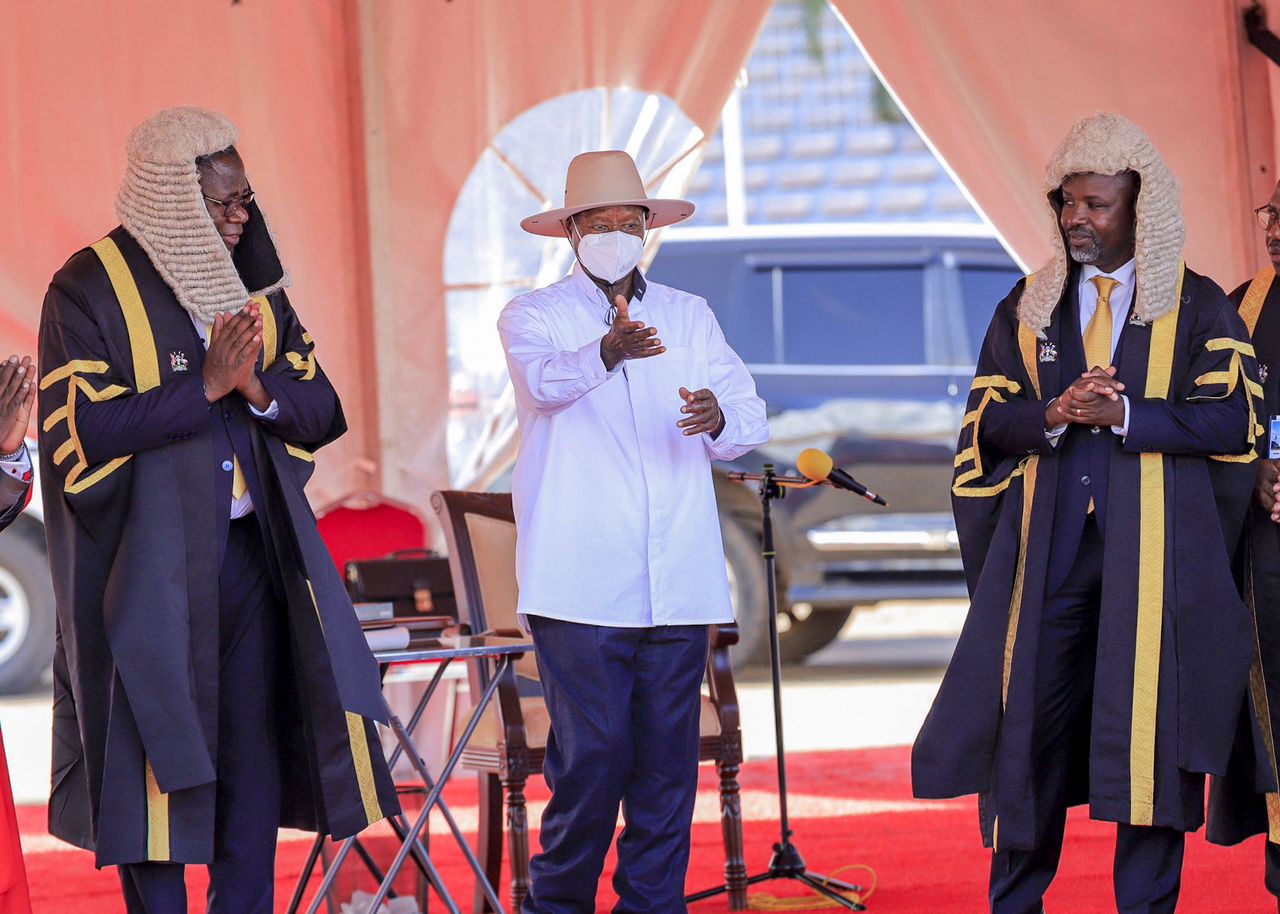
Museveni welcoming New Speakers, Oboth Oboth and Tayebwa
KAMPALA
President Yoweri Museveni has renewed his hardline stance on corruption, warning that ministers and senior government officials implicated in graft, inefficiency, or abuse of office will face immediate dismissal as Uganda’s 12th Parliament begins its legislative term.
The President’s remarks, delivered during engagements marking the official opening of Parliament in Kampala, have intensified scrutiny on Cabinet ministers and senior bureaucrats, with growing expectations of possible reshuffles in the coming weeks.
Museveni said corruption continues to undermine government programmes and delay service delivery despite repeated warnings and ongoing anti-corruption initiatives within his administration.
“Enough is enough” message to officials
Museveni emphasised that his government will no longer tolerate corruption or poor performance within the public service, insisting that accountability and results will now be strictly enforced.
He warned that any official found involved in bribery, procurement manipulation, or deliberate inefficiency would be removed from office without hesitation. According to sources familiar with internal discussions, the President referenced ongoing reports and citizen complaints highlighting irregularities in procurement systems and delays in the implementation of key government projects.
Cabinet under growing pressure
The warning has placed ministers, permanent secretaries, and heads of government agencies under increased scrutiny as performance monitoring and accountability checks are reportedly being intensified.
While no officials were named, political observers say the tone of the statement signals that the government could soon announce reshuffles or disciplinary action depending on ongoing evaluations.
Insiders describe the current environment as one of heightened pressure, with ministries expected to demonstrate clear results in service delivery and programme implementation.
Parliament urged to strengthen oversight
With the 12th Parliament now in session, lawmakers are expected to take a more active role in monitoring government expenditure and ensuring accountability.
Key areas of focus include public procurement, budget execution, and oversight of national development programmes.
Analysts say Parliament’s effectiveness in scrutinising the Executive will be crucial in determining whether the anti-corruption drive leads to meaningful institutional reforms.
Public reaction divided
Museveni’s remarks have drawn mixed reactions across political and governance circles.
Supporters have welcomed the tough stance, saying it reflects a necessary effort to enforce discipline and improve efficiency in government.
However, critics argue that similar pledges in the past have not always translated into sustained action, urging stronger independent oversight institutions and deeper systemic reforms.
Outlook
As Uganda’s 12th Parliament begins its work, attention now shifts to whether the President will follow through with actual dismissals or Cabinet reshuffles. For many observers, the coming weeks will be a key test of whether the renewed anti-corruption drive results in concrete change or remains another cycle of political warnings.
Torch Medid Africa



