Written By | International News Agencies
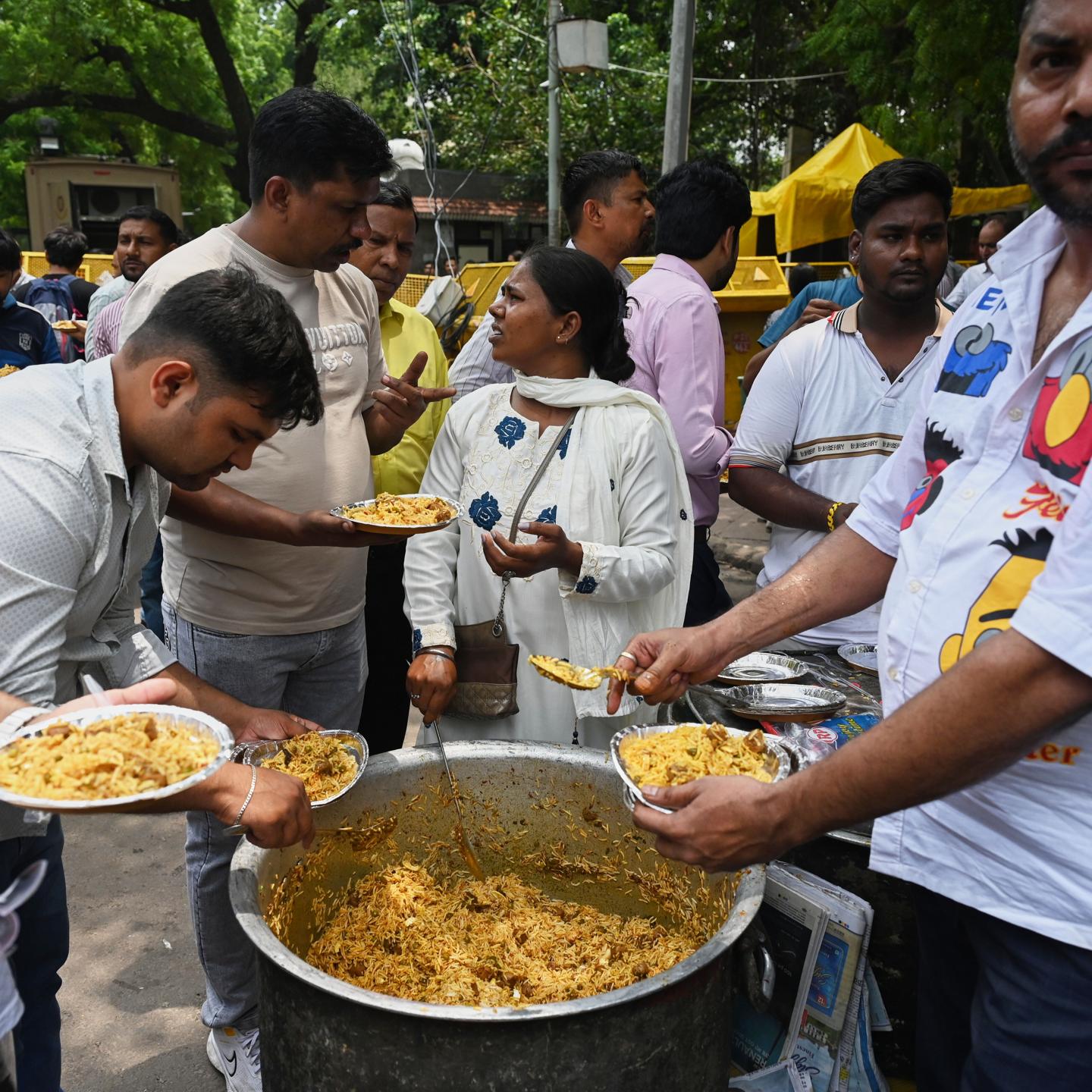
The strike escalated pressure on the government throughout July, with reports that the protests had forced a suspension of parliamentary proceedings
Background
What began as anger over a botched medical school entrance exam has grown into what observers call the biggest youth-led challenge to Prime Minister Narendra Modi's government since 2014. The flashpoint was NEET-UG 2026, India's national medical entrance examination taken by an estimated two million students. When reports emerged that questions had been leaked and other irregularities compromised the test, authorities cancelled it outright. For students who had spent years preparing, often at significant financial cost, the cancellation was devastating. In the weeks that followed, at least a dozen NEET aspirants died by suicide, transforming what might have been a contained education scandal into a broader referendum on government accountability and youth opportunity.
Into this vacuum stepped the Cockroach Janta Party (CJP), a protest movement turned quasi-political party founded by Abhijeet Dipke. His satirical framing—that ordinary Indians are treated like cockroaches by an indifferent political class—gave the movement its distinctive name and viral energy. The party's central demand has been the resignation of Union Education Minister Dharmendra Pradhan, but the movement has tapped into deeper public frustration over youth unemployment and shrinking economic opportunity. By mid-July, the CJP's Instagram following had reportedly surpassed the combined online followings of both the ruling BJP and the opposition Congress party.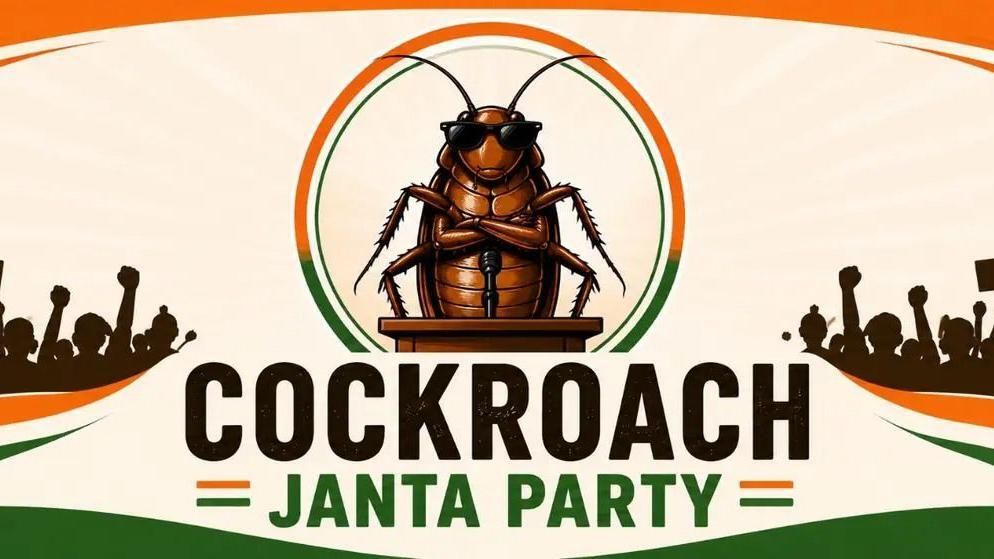
Key Developments
The movement's most dramatic chapter began on June 28, when Sonam Wangchuk, a well-known education reform and climate activist from Ladakh, joined the protest encampment at Delhi's Jantar Mantar and began a hunger strike in solidarity with the CJP's demands. Wangchuk's involvement lent the movement national gravitas and media attention it had not previously commanded.
The strike escalated pressure on the government throughout July, with reports that the protests had forced a suspension of parliamentary proceedings. Under mounting pressure, Health Minister J.P. Nadda held talks with CJP leaders, marking the first direct engagement between senior officials and the movement's leadership.
The turning point came on the night of July 23, when Wangchuk ended his 26-day hunger strike in the presence of two federal ministers, following what he described as "a long negotiation on various conditions." He framed the decision around public safety, citing the potential for the standoff to spark broader unrest. Hours later, CJP leaders sat down for fresh talks with senior ministers to resolve the standoff over the examination leaks. However, protest organizers made clear that demonstrations would continue unless Pradhan actually resigned.
Reactions
The government's posture has shifted from initial dismissiveness to direct, high-level engagement—a shift many commentators read as implicit acknowledgment of the movement's political weight. Opposition parties, including Congress, have sought to align themselves with the protest's grievances, though CJP leaders have generally kept established parties at arm's length to preserve their appeal as a non-traditional movement.
International coverage, including from NPR, Al Jazeera, and TIME, has framed the episode as a significant test of how India's political establishment responds to a digitally native youth movement, with repeated emphasis on the human toll of the NEET aspirant suicides.
What's Next
With Wangchuk's fast concluded and direct talks now underway, the movement enters an uncertain phase. The government has signaled openness to discussing NEET reforms in parliament but has given no indication it will remove Pradhan. Whether the movement's leverage—built on street mobilization, viral reach, and Wangchuk's high-profile fast—can be sustained without its most dramatic pressure tactic remains an open question.
Key things to watch: whether talks produce verifiable reforms, whether protest numbers hold up, whether the government pursues an independent investigation into the NEET leak, and whether comparisons to Gen Z uprisings in Nepal, Bangladesh, and Sri Lanka prove apt. Most analysts believe Modi's government is not facing an existential threat, but the scale and durability of the Cockroach movement has already surprised many who initially dismissed it as a passing internet phenomenon.



