Written By | Sports Desk
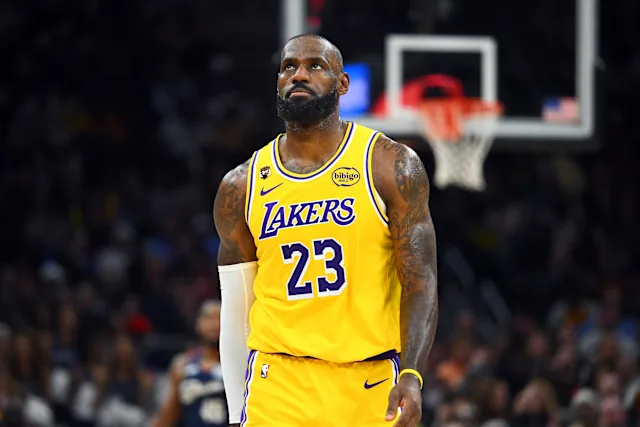
At 41, the NBA's all-time leading scorer is deciding where to play what could be the final chapter of a 23-year career — and for the first time in a decade, nobody is certain how it ends.
LOS ANGELES
Three weeks after the Los Angeles Lakers were swept out of the playoffs by the Oklahoma City Thunder, the most decorated player of his generation is a free agent for the first time in eight years, and nobody — not the reporters camped outside his Brentwood gym, not rival front offices, not seemingly even LeBron James himself — appears entirely certain where he plays next. What is certain is this: at 41 years old, in the 23rd season of a career that has already rewritten the record books twice over, James is once again the most important domino in the NBA offseason.
A Decision Two Decades in the Making
James declined a $35.6 million player option with the Lakers on June 30, officially entering unrestricted free agency, according to multiple league sources. It ended an eight-year run in Los Angeles that included a 2020 championship, four playoff berths, and, this spring, a first-round exit that exposed how thin the roster had become around him. James has said little publicly beyond a wry aside to reporters — "I won't hold you guys up too much longer" — but the search for his next team has stretched into a slow-rolling three-week sweepstakes that ESPN's Shams Charania has been tracking practically play-by-play.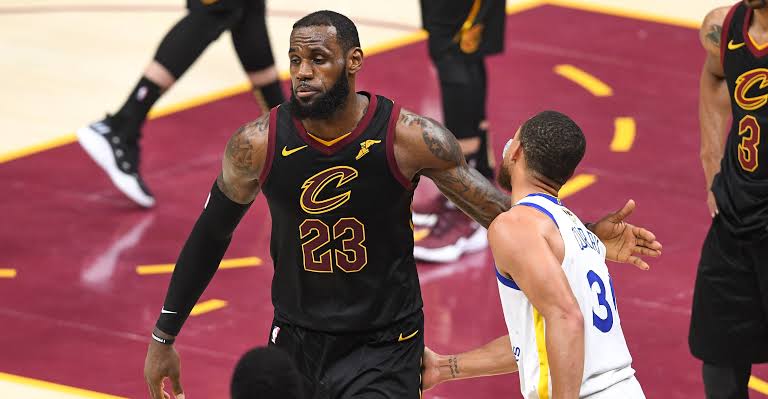
The Frontrunners
Four teams have emerged as the serious suitors: the Cleveland Cavaliers, the team that drafted him in 2003 and where he delivered the city's long-awaited championship in 2016; the Miami Heat, where he won his first two titles in 2012 and 2013; the Philadelphia 76ers, a newer and, by several accounts, surprisingly serious contender; and the Golden State Warriors, a longer-shot mentioned in passing by multiple insiders. Charania has reported that James is taking the Sixers' pitch "really seriously," while ESPN's Dave McMenamin has suggested the geography of the conversation increasingly points East: "It seems like an Eastern Conference team will win the LeBron James sweepstakes." A Cleveland homecoming carries the heaviest narrative gravity — a Rust Belt kid closing the loop on the team and city where his career began in 2003 — but Miami's culture and championship pedigree under Pat Riley remain a genuine pull, and Philadelphia's promise of Joel Embiid, if healthy, and a re-signed core gives James a puncher's chance at one more deep playoff run.
What the Numbers Still Say
Whatever James decides, the case that he still belongs in a contender's rotation is not sentimental — it's statistical. In 2025-26, at an age when most players are three years into broadcasting careers, James averaged 20.9 points, 7.2 assists and 6.1 rebounds across 60 games in 33.2 minutes a night, numbers that would represent a career year for most All-Stars half his age. He became, this past season, the first player in NBA history to appear in 23 regular seasons, stretching a longevity record that already included being the league's all-time leading scorer, a mark he passed in 2023 and has extended to more than 42,000 career points. Across 1,622 regular-season games, his career averages sit at 26.8 points, 7.5 rebounds and 7.4 assists — a workload and a durability that have no real precedent in a sport that chews up bodies far younger than his.
What He's Looking For
People close to James have described his priorities in strikingly simple terms: he wants to compete for a championship, and he wants a locker room culture he can still meaningfully uplift, rather than merely anchor. That second condition is arguably the more interesting one. James at 41 is no longer simply auditioning for rings; associates say he is weighing which situation lets him still function as the best version of a floor general and mentor, not just a scoring option kept alive by minutes restrictions. That framing helps explain why Philadelphia's pitch has reportedly resonated more than expected — a No Comment role, a defined ceiling with Embiid, but a young supporting cast that could genuinely use James's basketball IQ rather than just his name recognition. It also helps explain why a nostalgic Cleveland return, while emotionally resonant, isn't a foregone conclusion: the Cavaliers' timeline and James's timeline may not overlap as cleanly as the storyline suggests.
Why This Offseason Feels Different
Free agency has followed LeBron James before — 2010's "The Decision," 2014's Cleveland return, 2018's move to the Lakers — but each of those moves came with the assumption of another decade of prime basketball ahead of him. This one doesn't. Whichever franchise signs him this month is, in all likelihood, signing him for what could plausibly be the final year or two of a playing career that began when the iPhone didn't exist and Kobe Bryant was still the league's biggest star. That finality changes the calculus for everyone involved: a team betting on James now is betting on a short, high-leverage window, not a rebuild-around-him project. It's also part of why this decision, unlike his previous ones, seems to be unfolding with less bravado and more quiet deliberation — no primetime special this time, just a slow accumulation of reported meetings and league sourcing.
What This Means for Fans
For fans in Cleveland, Miami, Philadelphia and the Bay Area, the next several days carry real stakes: a James signing reshapes a franchise's ceiling for the coming season and its box-office pull for years after, regardless of how much longer he actually plays. For NBA fans broadly, it's a rarer thing — a chance to watch one of the sport's defining figures make what may be his last major career choice in real time, with all the messiness, speculation and sentiment that entails. Whichever jersey he puts on, the league office, television partners and ticket brokers in that city are already recalibrating their fall calendars around him.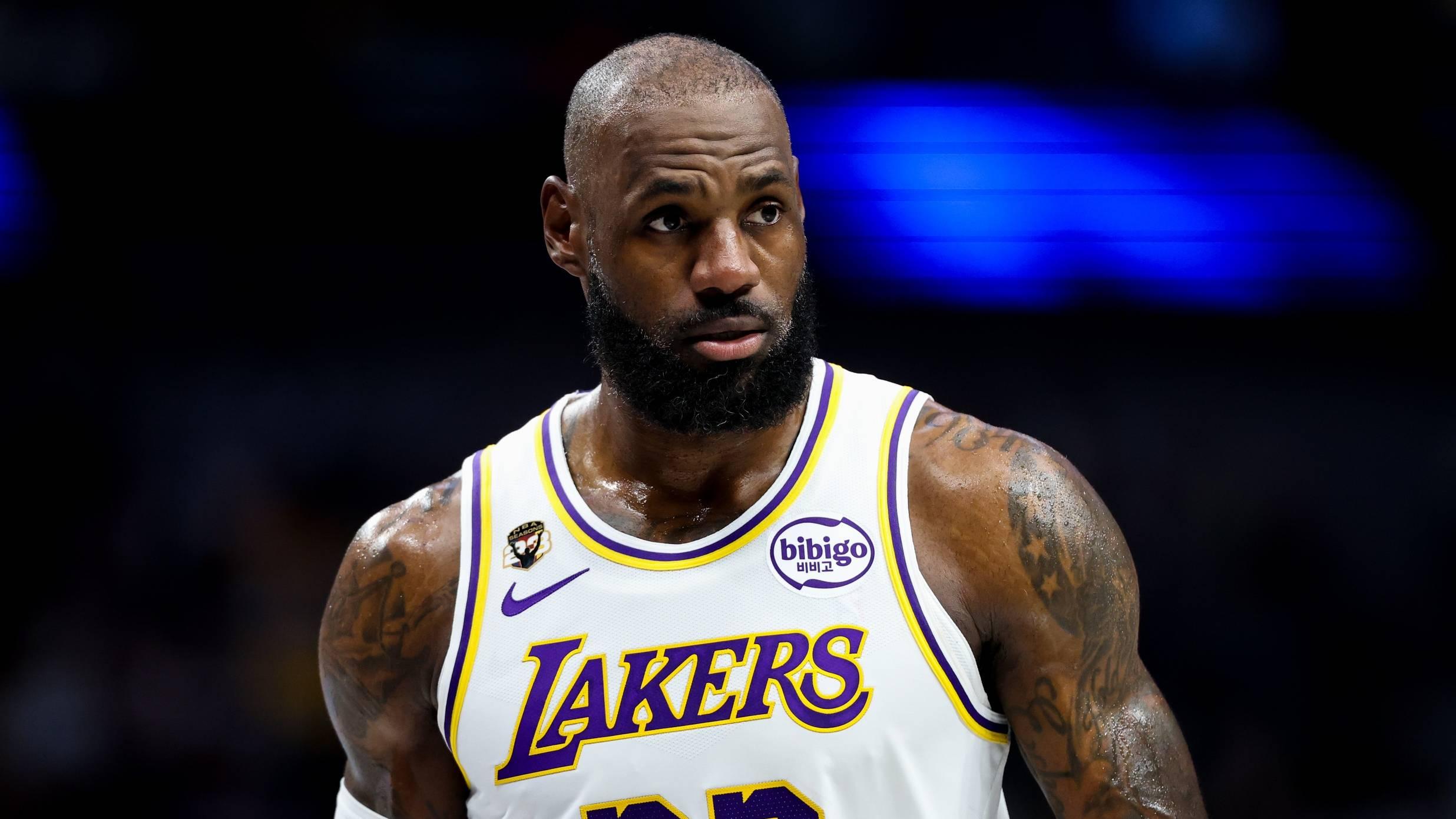
The Bigger Picture
James has spent 23 years defying the actuarial tables of professional basketball, and this free agency, more than any before it, is a reminder that even historic longevity has an event horizon. Whether he lands in Cleveland for a storybook coda, in Miami for one more title run alongside Riley's culture, in Philadelphia as a mentor-closer for Embiid's title window, or somewhere else entirely, the decision will close out one of the more remarkable individual chapters in American sports history — and open, almost immediately, a fresh conversation about what a league without LeBron James actually looks like.




