Written By | Business Experts
Mining windfalls, Sahel fragmentation, and the economics of insecurity in West Africa
Mali enters the second half of 2026 as a study in contrasts. Beneath its soil sits some of the richest gold and lithium deposits in West Africa, and a landmark settlement with the world's second-largest gold miner has cleared the way for a production rebound that is lifting national growth figures. Above that soil, roughly 1.6 million people faced acute food insecurity during this year's lean season, and large stretches of the country's north and center remain gripped by a conflict now in its fourteenth year. The gap between what Mali extracts and what most Malians experience day to day is the defining story of the country's economy in 2026, and it illustrates a pattern playing out across the Sahel: resource wealth accumulating in state coffers and mining company ledgers even as the human security backdrop deteriorates.
A Mining-Led Rebound
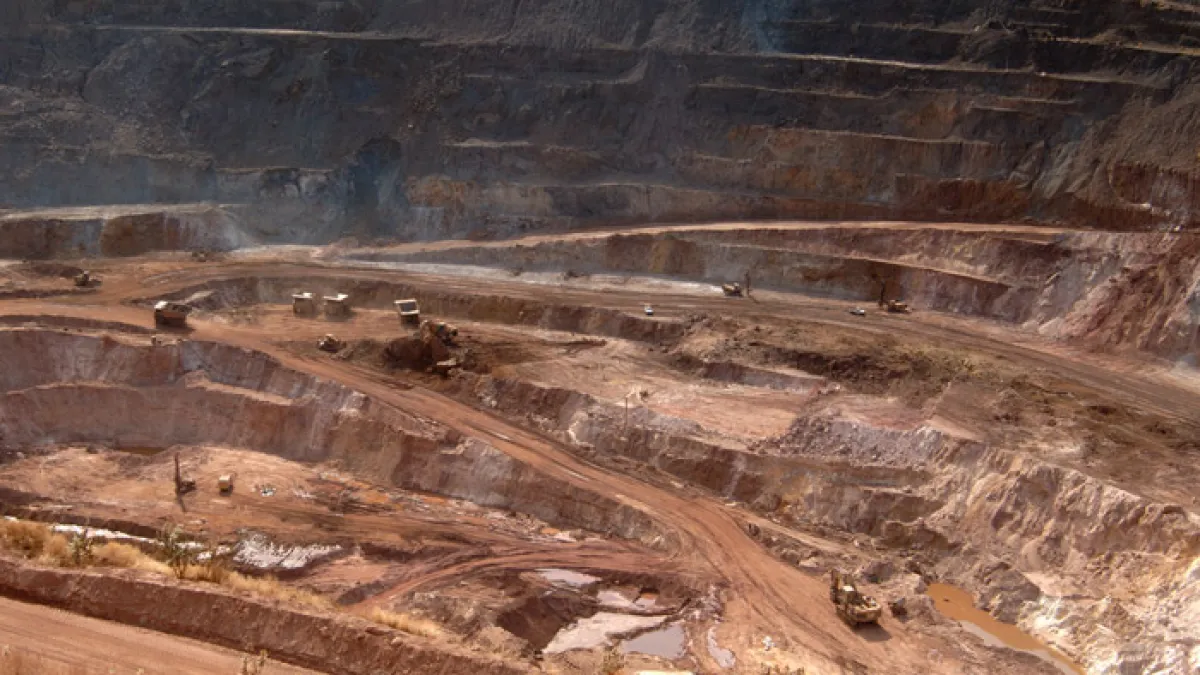
The International Monetary Fund projects Mali's economy will grow 5.4% in 2026, up from an estimated 4.9% in 2025, a rebound the Fund attributes directly to a recovery in gold production, improving pockets of security, and efforts to diversify energy sources. The African Development Bank is more optimistic still, projecting 6.0% growth for the year. Both forecasts hinge substantially on the same event: the November 2025 settlement between Barrick Mining Corporation and Mali's military-led government, which resolved a bitter, year-long standoff over the Loulo–Gounkoto mining complex, one of Africa's largest gold operations.
Under the settlement, Barrick agreed to pay approximately $430 million in exchange for the withdrawal of all arbitration claims and the restoration of its operational control over the mine, which had been seized by court-appointed administrators amid the dispute. Barrick officially resumed operations in December 2025, and in February 2026 the government renewed the Loulo mining permit for a further ten years, transferring the license to Barrick's local subsidiary, SOMILO SA. Mali's government has also begun channeling mining proceeds directly to affected communities: in March 2026 authorities announced the disbursement of roughly $33 million in mining revenue to local governments near extraction sites, part of a broader push to demonstrate that the state's harder line on foreign miners is paying local dividends. The extractive sector's footprint in the economy has grown accordingly, contributing 6.3% of GDP in 2023, up from 5.9% the year before, with gold exports historically accounting for roughly three-quarters of total export revenue.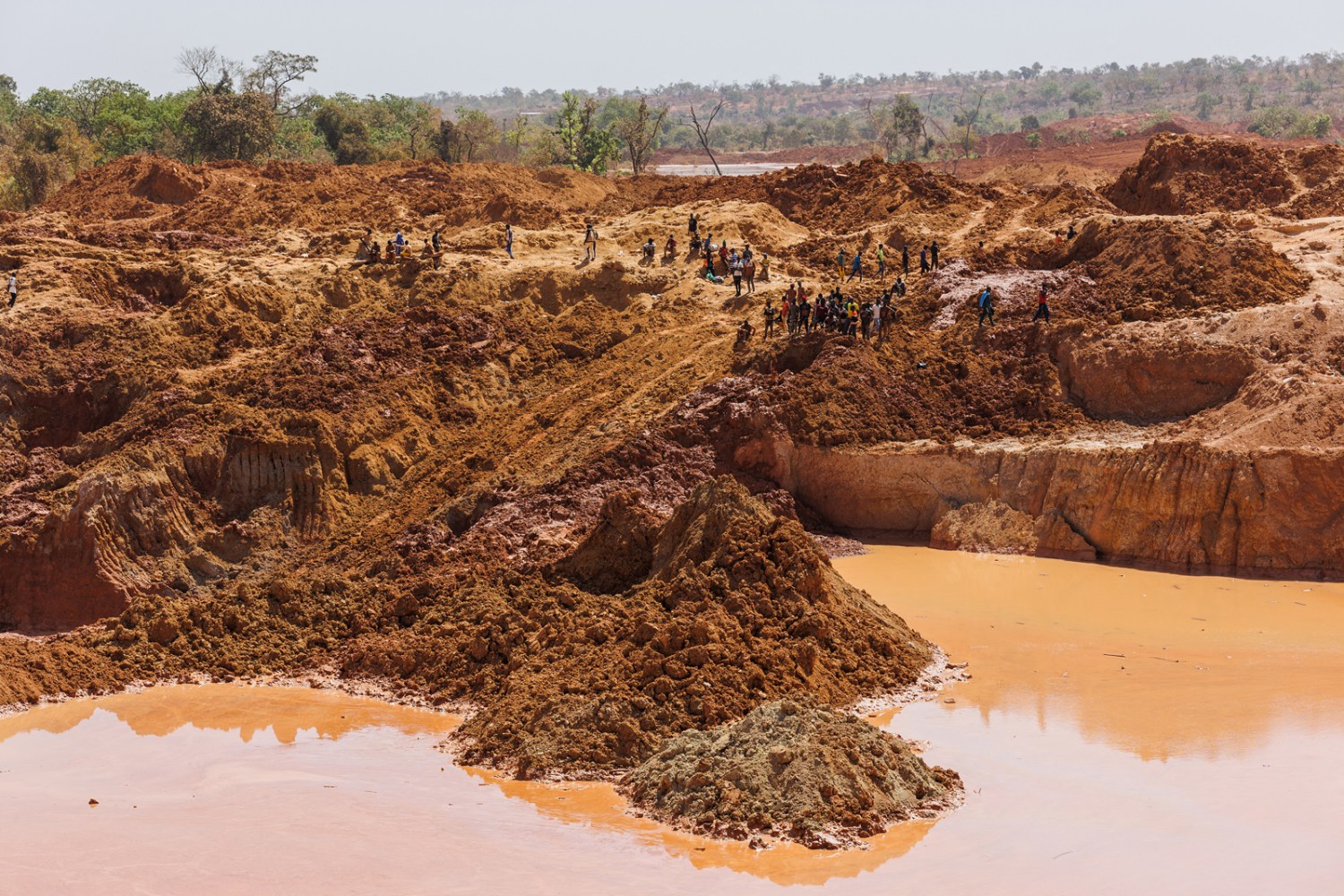
Lithium's Arrival
Gold is no longer Mali's only mining story. On December 15, 2024, the country commissioned the Goulamina lithium mine in the Bougouni region, a project with an estimated operating life of more than 23 years and a planned output of 500,000 tonnes of spodumene concentrate annually, positioning Mali as a potential new entrant in the global battery-metals supply chain. A second lithium operation, the Kodal Minerals-developed Bougouni project, reached first production in February 2025 following an initial-phase investment of about $65 million, with capacity to produce 120,000 tonnes of spodumene concentrate per year. Together the two mines mark Mali's attempt to capture a share of the electric-vehicle demand cycle before it peaks, diversifying a mining sector that has historically been almost synonymous with gold alone.
The Fiscal Equation
Mali's push to capture more value from its minerals is codified in the 2023 mining code, which raised the state's potential ownership stake in mining projects to as much as 35%, up from 20% previously, and gave the government the right to hold up to 10% equity in new projects outright, with an option to acquire an additional 20% during the first two years of commercial production. The code also opened as much as 5% of ownership to Malian private investors. The 2026 national budget projects government revenue of approximately $5.3 billion, with a deficit target of 3% of GDP — a ceiling set by the West African Economic and Monetary Union (WAEMU), of which Mali remains a member despite its political rupture with West Africa's broader regional bloc. Officials frame the target as evidence of fiscal discipline built on stronger domestic revenue mobilization rather than external borrowing, a notable shift for a government that has faced sharply reduced access to traditional donor financing since the 2021 coup that brought it to power.
Life Outside the Mining Belt
The mining rebound sits uneasily alongside a worsening humanitarian picture. According to the November 2025 Cadre Harmonisé food security assessment, roughly 1.6 million Malians were projected to face acute food insecurity during the 2026 lean season, including 1.5 million classified in IPC Phase 3 (Crisis) — a 9% increase over the prior year. FEWS NET's June 2026 outlook reported that emergency-level food insecurity, IPC Phase 4, persists in the northern regions of Ménaka and Kidal, areas where armed group activity has restricted both farming and humanitarian access. Agriculture remains the backbone of Malian livelihoods, employing roughly 80% of the population, yet the sector is undermined by land degradation, chronic fertilizer shortages, heavy post-harvest losses, and limited access to markets, leaving smallholder farmers acutely exposed to both conflict and climate shocks. Mali has cycled between drought and flooding in recent years, compounding food insecurity in a country where roughly 235,000 young people enter the labor market annually, most with limited prospects outside subsistence agriculture or informal mining.
This dynamic is not new — instability in Mali's north and center traces back to a 2012 rebellion that was compounded from around 2015 by the intensifying activity of groups including the Islamic State in the Greater Sahara and Jama'at Nusrat al-Islam wal-Muslimin — but it has proven remarkably persistent even as the country's mining fortunes have improved. The IMF's own risk assessment for 2026 flags the possibility of renewed transport blockades, an ongoing electricity crisis, commodity price volatility, and further weather shocks as threats that could keep purchasing power and food access for poor households severely degraded even amid relatively strong headline growth.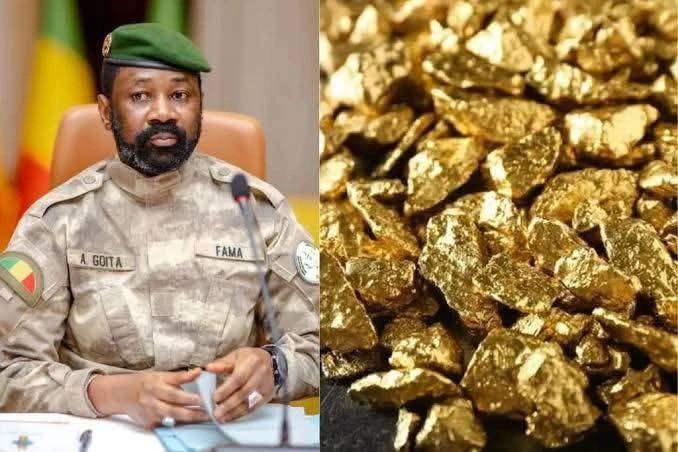
Sovereignty Over Integration
Mali's economic trajectory cannot be separated from its reordering of regional alliances. In September 2023, Mali joined Burkina Faso and Niger in founding the Alliance of Sahel States (AES), a mutual defense and security pact formed by the three juntas partly in response to what they characterized as ECOWAS's failure to support their fight against insurgents and its perceived alignment with French and Western interests. That alliance hardened into a formal break: on January 29, 2025, ECOWAS confirmed the exit of Mali, Burkina Faso, and Niger from the bloc, ending decades of membership in West Africa's primary political and economic union. The AES states have since launched a joint regional passport and begun building shared military structures, positioning the confederation as a rival center of gravity in West African regionalism.
Notably, Mali's rupture with ECOWAS has not extended to WAEMU, the eight-nation currency union that anchors the CFA franc and imposes the fiscal deficit ceilings shaping Mali's 2026 budget — a reminder that even as Mali's government asserts sovereignty over its security and mineral policy, it continues to operate within a monetary framework it does not fully control. How that tension resolves, alongside the AES bloc's efforts to build alternative institutions such as a proposed common confederal bank, will shape whether Mali's mining-driven growth translates into lasting fiscal and trade independence or remains bounded by the currency and market structures it inherited.
Outlook
Mali's 2026 growth numbers tell a real story: a resolved mining dispute, a diversifying resource base, and a government asserting more control over its natural wealth. But the same data that shows GDP accelerating also shows food insecurity rising, and the same year that delivered a ten-year permit renewal for one of Africa's largest gold mines also delivered emergency-level hunger in the regions closest to the conflict. Whether Mali can convert mineral wealth into durable improvements in food security, employment for its fast-growing youth population, and stability beyond the mining belt remains the open question shaping the country's economic trajectory into 2027.



