Written By | Sports Desk
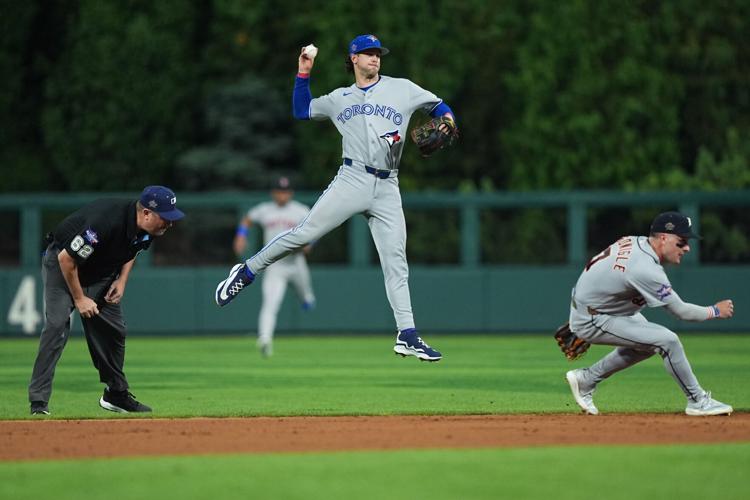
In Philadelphia's Midsummer Classic, Cody Bellinger's first-inning single decided it all — and ten relievers made sure it stayed that way.
PHILADELPHIA —
For one night at Citizens Bank Park, the sport's best hitters looked like anyone else facing a gauntlet of 100-mph fastballs and diving sliders. The American League beat the National League 4-0 in the 2026 MLB All-Star Game on Tuesday, and the final score undersold just how thoroughly pitching took over baseball's annual showcase of offense. It was the first shutout in All-Star Game history since 2013, and it happened in a summer when scoring in the exhibition has usually been an afterthought to home run derbies and highlight reels.
The First Inning That Decided Everything
The game was effectively over before most fans had found their seats. Dylan Cease opened on the mound for the American League and struck out the side in the first, setting a tone that never let up. In the bottom half, Cody Bellinger lined a two-run single and Ben Rice followed with an RBI knock, both against Philadelphia Phillies left-hander Cristopher Sánchez, the National League's starter and the hometown pick in front of his own fans. Three runs were on the board before the National League had recorded an out at the plate that mattered, and the American League never had to sweat the rest of the way.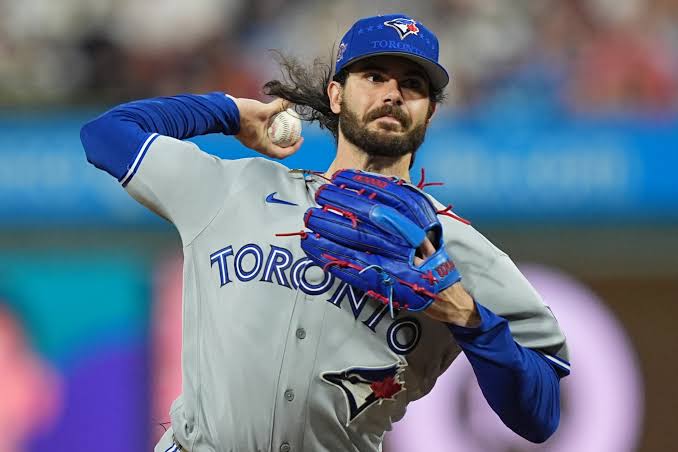
Cease and the Bullpen Brigade
What followed Cease's opening salvo was a full parade of arms. Ten American League relievers combined with Cease on a three-hit shutout, finishing with 27 total strikeouts between both sides — 15 of them credited to American League pitching, one shy of the nine-inning record for the game. The National League's only hits all night were modest singles: Juan Soto in the fourth inning, Pete Crow-Armstrong in the eighth, and Otto Lopez in the ninth. None of them advanced a runner past first base. For a lineup that included some of the most feared hitters in the sport, it was a rare and humbling night.
A Rare Extra-Base Hit
The lone extra-base hit of the game belonged to Chicago White Sox infielder Miguel Vargas, who took Los Angeles Dodgers pitcher Justin Wrobleski deep in the eighth inning. The moment carried its own footnote: Wrobleski was pitching on his 26th birthday, making the solo shot both the game's signature offensive highlight and a bittersweet one for the young right-hander. It was the only ball that left the yard all evening in a game that, in recent years, has often turned into a launch-angle exhibition.
Bellinger's Simple Approach
Cody Bellinger walked away with the game's MVP award for his two-run single, and true to the modest tenor of his night, he downplayed the moment afterward. “I just try to keep it simple,” Bellinger said. “Single up the middle and, you know, the pitching today was just dominant. I mean, it was nasty, hard to score some runs. So, you know, just try to stay within myself and just try and get the job done there.” It was a fitting summary of a game where contact, not power, decided the outcome, and where the night's best players were mostly the ones standing 60 feet, 6 inches away from home plate.
Why the Shutout Matters
All-Star Games are exhibitions by design — low-stakes, showcase affairs where pitchers rarely go more than an inning and hitters are encouraged to swing for the fences. That a shutout happened anyway, for the first time in thirteen years, says something about where the sport is right now. Pitching depth across both leagues has never been deeper, with teams carrying harder-throwing relievers deeper into bullpens than at any point in the game's history. Tuesday's game, intentionally or not, became a showcase for that shift: a reminder that even when the format favors offense, this era of baseball belongs to the arm, not the bat.
It also broke a pattern the game had settled into over the past decade, in which managers on both sides frequently treated the All-Star Game as a pure showcase for offense, pulling starters after a single inning regardless of situation and prioritizing at-bats for as many players as possible. This year's National League lineup, stacked with hitters who have combined for hundreds of home runs across the current season, instead spent nine innings chasing swings-and-misses. The last time a team was shut out in this game, in 2013, baseball was in the early stages of a strikeout surge that has only accelerated since — and Tuesday's result reads like a continuation of that same story, thirteen summers later.
What This Means for Fans
For casual fans tuning in mostly for a fireworks-filled night of home runs, Tuesday's game may have felt like a quieter Midsummer Classic than usual. But for anyone following the sport's broader arc this season, it tracked with what's been happening in ballparks all year: velocity is up, bullpens are deeper, and the gap between a good at-bat and a great one has never been thinner. Fans heading into the second half of the season, with pennant races heating up and trade deadlines approaching, got a preview of just how hard it will be for any lineup to solve elite pitching down the stretch.
Conclusion
The American League's 4-0 win adds another line to Cody Bellinger's résumé and gives Dylan Cease a signature moment to open his summer, but the real story from Philadelphia was the collective one: eleven pitchers, twenty-seven strikeouts, and a lineup of All-Stars that managed only three singles all night. Baseball's exhibition game is supposed to be a night off from the sport's toughest realities. This year, it was a preview of them instead.



