Written By | Joshua Nahamya
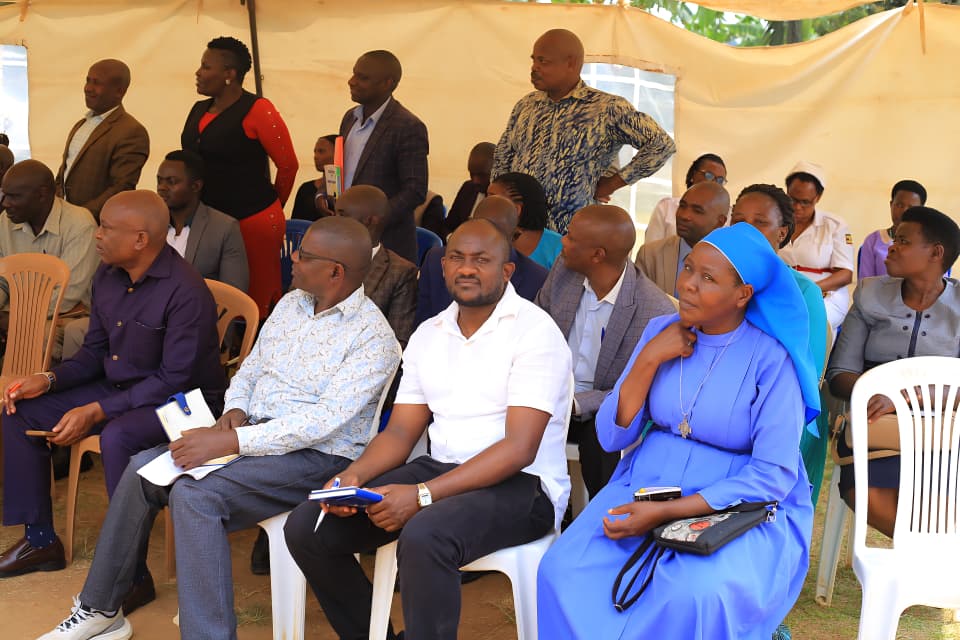
Locals attending to a community baraza in Ibaare
BUSHENYI, Uganda
Bushenyi District officials have launched a series of grassroots community dialogues (Barazas) aimed at assessing the implementation of government programmes, addressing service delivery challenges and strengthening accountability among public officials.
The consultations, which began on Tuesday, are being moderated by the Bushenyi Resident District Commissioner (RDC), Emmy Ngabirano. They are being attended by the district's technical team led by Chief Administrative Officer (CAO) Phionah Sanyu, political leaders from Ibaare Sub-county led by Silver Byabashaija, and other local stakeholders.
During the first dialogue held at Ibaare Catholic Church, discussions focused largely on the implementation of government development programmes, particularly concerns over the Parish Development Model (PDM).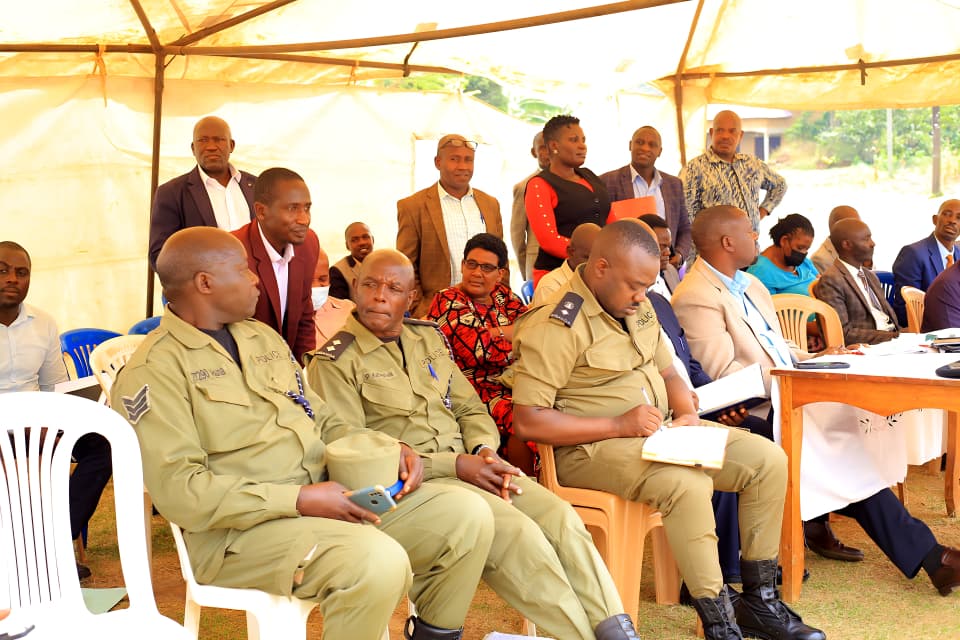
Addressing residents, CAO Phionah Sanyu confirmed that several cases involving the alleged irregular allocation of PDM funds had been handed over to the police for investigation.
"Some of these matters have already been handed over to the police for further investigations to ensure that public funds reach the intended beneficiaries," Sanyu said.
She also highlighted the social challenges affecting the implementation of the programme, citing a case in which an elderly resident applied for PDM support, only for his children—one a university lecturer and another a nurse—to ask the Sub-county Chief to remove their father's name from the beneficiaries' list.
Education Sector Under Spotlight
Education emerged as another major concern during the dialogues held in both Ibaare and Bumbaire sub-counties.
District officials and residents expressed concern over declining enrolment in government primary schools despite continued government investment in classrooms, teachers' houses, furniture and learning materials.
Community members attributed the trend to poor parental involvement, noting that many parents rarely attend school meetings. Others blamed teachers, arguing that many enrol their own children in private schools instead of the government schools where they teach, undermining public confidence in the education system.
Teacher absenteeism was also cited as a major challenge, with some government teachers reportedly abandoning classroom duties to participate in the ongoing LC I voter registration exercise for additional income.
During the Bumbaire dialogue, head teachers reported that some government primary schools have enrolments as low as 90 pupils.
The revelation prompted a response from CAO Phionah Sanyu, who questioned why such schools continue requesting additional teachers.
"Why should schools with such low enrolment still demand more teachers when a school of 90 pupils can be adequately served by just three teachers?" Sanyu asked, noting that the national teacher-to-pupil ratio is 1:53.
She directed the District Education Officer, represented by District Inspector of Schools Michael Matigi, to rationalise teacher deployment and ensure that every government primary school with at least 200 pupils has the required eight qualified teachers.
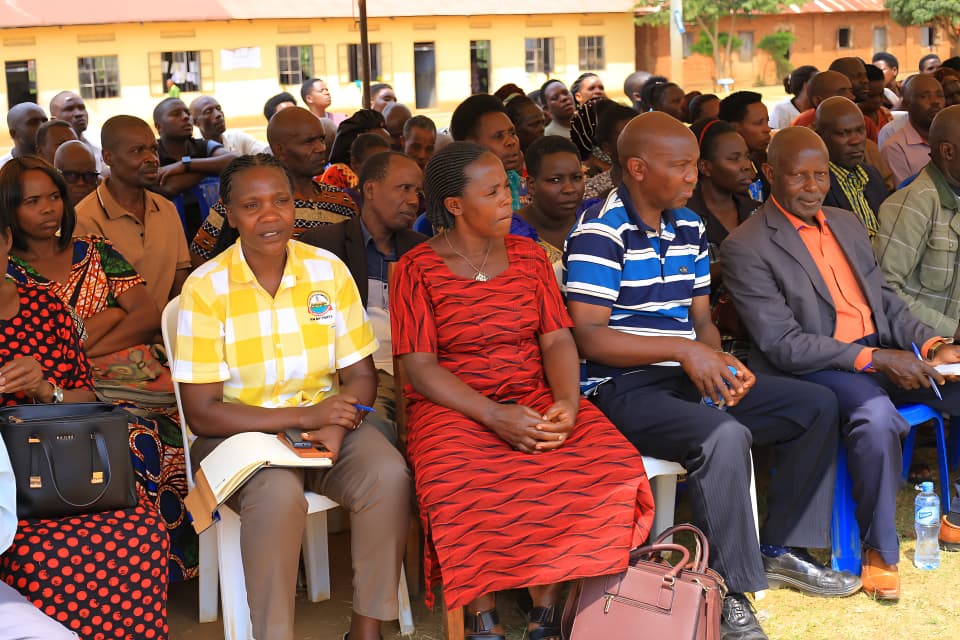
Locals engaged in a community Baraza in Ibaare Sub County at Ibaare Girls Primary School
RDC Condemns School Leadership Conflicts
RDC Emmy Ngabirano also criticised persistent conflicts between Parents and Teachers Associations (PTAs), School Management Committees (SMCs), head teachers and foundation bodies, saying such disputes negatively affect learning.
"These conflicts over roles between the PTA, School Management Committees, head teachers and foundation bodies destabilise the learning environment. When leadership falls apart, quality drops, and parents are forced to seek alternative schools for their children," Ngabirano said.
The Barazas further revealed that some struggling government schools have illegally hired unqualified private teachers to fill staffing gaps, a practice district leaders linked to poor Primary Leaving Examination (PLE) performance.
District officials pledged to continue the community dialogue programme across all sub-counties as part of efforts to improve accountability, eliminate teacher absenteeism and restore public confidence in government-funded services.



