World Politics
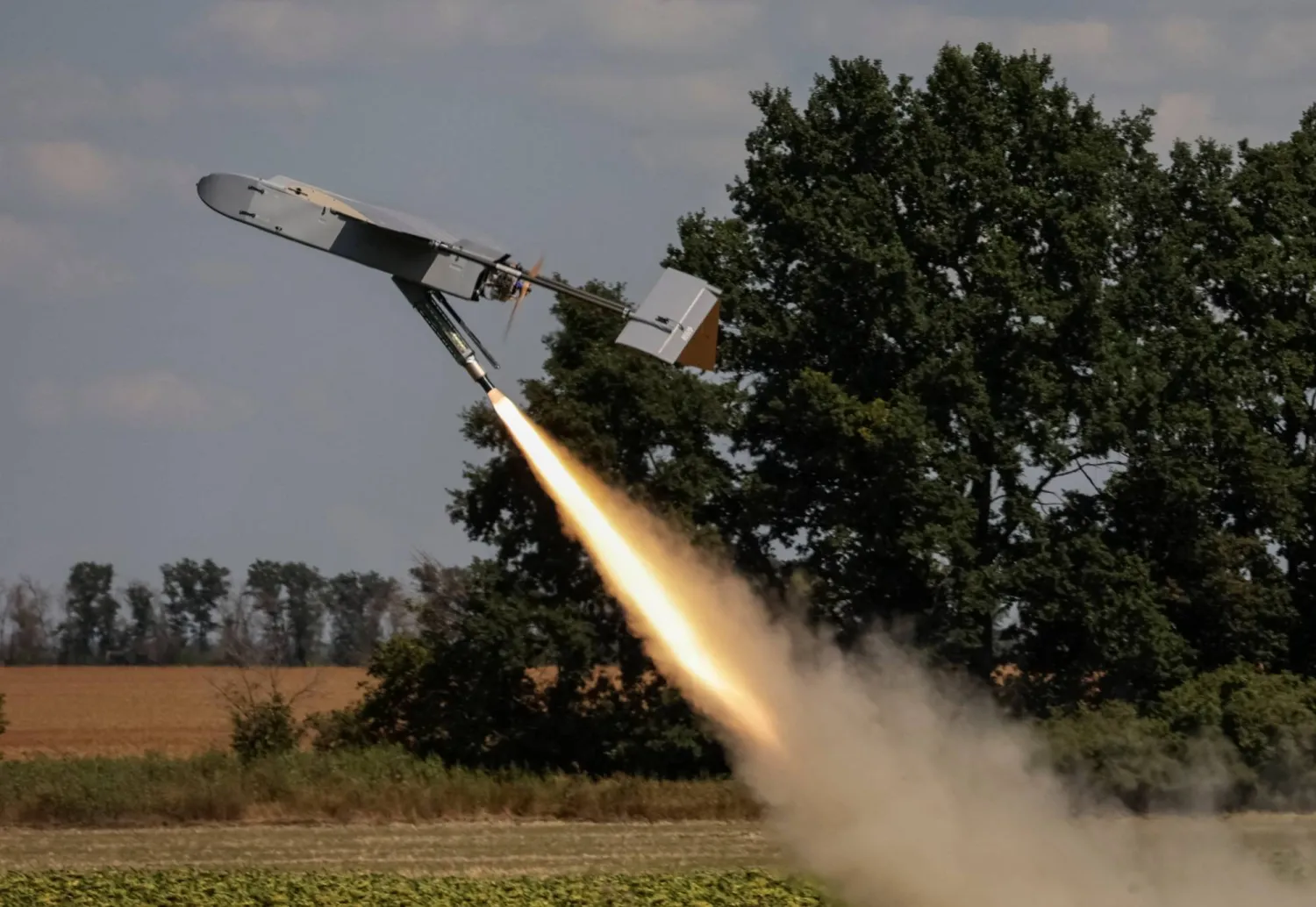
Russia's embassy in London warned Britain on August 18, 2026 that it would face unspecified “consequences” after reports confirmed that Ukraine has begun using British-made attack drones, including a jet-powered model built by BAE Systems subsidiary Callen-Lenz, to strike targets deep inside Russian territory. The warning marks one of the most direct threats Moscow has leveled at a NATO member in recent memory, and it lands at a moment when Britain's new government under Prime Minister Andy Burnham is being tested on whether it will match its predecessor's commitment to arming Kyiv. London's response was swift and defiant: officials said the country would not be “bullied” out of supporting Ukraine.
Background
The confrontation traces back to a report published in The Sunday Times on August 15–16, which disclosed that Ukraine had for the first time used British-made drones for long-range strikes on Russian soil. Chief among the systems named was the Nyan, a jet-powered unmanned aircraft developed by Callen-Lenz, a British firm now part of defense giant BAE Systems. According to the reporting, the Nyan was used in a strike on Belgorod, the Russian border region that has become one of the most frequently hit areas of Russian territory since the war began. A second British-supplied drone, whose designation has not been publicly disclosed for security reasons, has also entered Ukraine's arsenal for deep-strike missions.
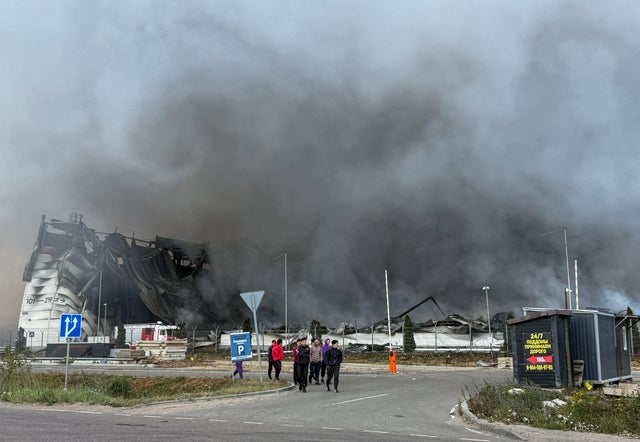
Military analysts say British-derived platforms have since been employed against oil refineries and energy infrastructure inside Russia proper, including facilities near Moscow and in Volgograd and Yaroslavl — regions far from the front lines that have increasingly become targets in Kyiv's campaign to degrade Russia's war economy. That campaign, waged largely with domestically produced long-range drones alongside a growing mix of Western-supplied and co-developed systems, has already forced Russia to ration fuel in parts of the country and has been estimated to have inflicted tens of billions of dollars in economic damage over the past several months.
The introduction of British hardware into that campaign is the latest step in a gradual escalation of UK involvement that dates to at least June 2025, when then-Prime Minister Keir Starmer and Ukrainian President Volodymyr Zelensky announced in Downing Street that London and Kyiv would begin co-producing long-range attack drones on British soil. That pledge was expanded this past June, when the UK — by then under Starmer's successor, Andy Burnham — announced a £752 million ($996 million) support package that included 150,000 drones and 350 air-defense missiles for delivery to Ukraine by the end of 2026.
Britain's relationship with Russia has deteriorated steadily throughout 2026 against this backdrop. Moscow expelled a British diplomat in March on espionage allegations that London dismissed as “complete nonsense,” part of a longer-running pattern of tit-for-tat diplomatic expulsions between the two capitals. Russian officials have also repeatedly criticized British statements — including earlier remarks about the possibility of British “boots on the ground” and aircraft “in the air” over Ukraine — as evidence that London is moving from a supporting role toward direct participation in the war.
Key Developments
The immediate trigger for this week's threat came after Russian forces reportedly recovered debris from downed drones inside Russian territory that investigators identified as British-made. In a statement posted to Telegram on August 18, the Russian embassy in London said the reports confirming Ukraine's use of British drones “confirm that London is deliberately opting for an escalation of the Ukraine crisis, while hypocritically professing a desire for peace.” The embassy went further, describing Britain as “an accomplice and co-perpetrator” in what it called Kyiv's “terrorist machinery,” and warned explicitly that “London's actions will inevitably carry consequences for which it will have to answer” — adding that “the deeper its involvement in the conflict and the greater its support for Kyiv's terrorist machinery, the higher the price it will pay.”
The statement did not specify what form Russian retaliation might take, but it came against the backdrop of a broader pattern this year in which Moscow has paired rhetorical threats against Ukraine's Western backers with military and hybrid measures — including, earlier this month, President Vladimir Putin's warning that Russia would “respond in kind,” and potentially far from Russian waters, if European states continued to seize and sell cargo from vessels in Russia's sanctions-evading “shadow fleet” of oil tankers.
The drone threat also arrived the same weekend that Ukraine launched one of its largest aerial attacks of the war on Moscow, part of an intensifying exchange in which Russian missile and drone strikes on Kyiv and other Ukrainian cities killed at least three people and wounded more than a dozen, according to Ukrainian officials. Zelensky, addressing the wider exchange, said Ukraine “will definitely respond” to Russian strikes and called on Western partners to pair Kyiv's own military responses with additional economic and diplomatic pressure on Moscow.
Reactions
Britain's government rejected the Russian threat outright. Prime Minister Andy Burnham, who took office in July after Keir Starmer's resignation amid a Labour leadership crisis, said the drone supplies were simply “the U.K. doing what it has long said it would do, which is to support Ukraine 100% against this illegal war led by Vladimir Putin,” adding, “We are not fair-weather friends. We will be there in Ukraine's hour of need, and that won't change.”
Other British officials echoed the defiant tone. Lilian Greenwood, a junior minister pressed on the matter in broadcast interviews, said Britain had “stood with Ukraine throughout this time with the Russian illegal invasion” and “will continue to do so, and we won't be bullied in this way.” The response was notable in part because it came from a government less than a month old, facing its first direct test from Moscow.
Analysts who track UK-Russia relations said the exchange fits a familiar script in which Russian threats against Western states supplying Ukraine have, to date, not been followed by direct retaliation against the states themselves, but have instead been absorbed into Moscow's broader campaign of strikes on Ukraine and its messaging aimed at deterring further Western support. Even so, some UK defense commentators noted that the specificity of this week's warning — naming Britain directly rather than “NATO” or “the West” in general terms — set it apart from more generic Kremlin rhetoric, and cautioned that Russia has previously matched escalatory rhetoric with actions such as sabotage or cyberattacks targeting infrastructure linked to arms shipments in other European states.
Kyiv, for its part, welcomed the continuity of British support. Ukrainian officials have periodically flagged British-Ukrainian drone cooperation as a template for how European states can contribute cutting-edge capability to the war effort even without deploying troops directly, and have pressed other allies to follow the UK's lead on both production-sharing and permission to use donated systems for deep strikes inside Russia.
What's Next
The most immediate open question is whether Moscow's threat translates into a concrete response. Possible avenues that regional analysts have flagged include further diplomatic expulsions, cyber operations targeting British firms or government networks, or attempts to disrupt the drone supply chain — potentially including strikes aimed at production or transit infrastructure connected to the UK-Ukraine co-production arrangement, though any direct strike on British assets or personnel would represent a significant and risky escalation beyond Russia's conduct so far in the war.
Domestically, the episode is likely to become a test of Burnham's foreign policy instincts as he settles into office; having pledged continuity with Starmer's approach to Ukraine, he will face pressure from within his own party — including from figures more skeptical of expansive UK military commitments — as well as from opposition Conservatives eager to portray any hesitation as weakness.
The threat also lands amid a wider deterioration in the security environment across Europe, with Russia's shadow-fleet standoff with the EU, its deepening military cooperation with North Korea, and stalled diplomacy over Ukraine's own war all pointing toward a longer period of confrontation rather than any near-term resolution. Whether Britain's expanded drone pledge — the 150,000 units promised by year's end — meaningfully shifts the military balance, or whether Russian countermeasures blunt its impact, is likely to become clearer only in the coming months as deliveries ramp up and Moscow decides how, or whether, to make good on its warning.
Published By | News Editor