Written By | Staff Writer
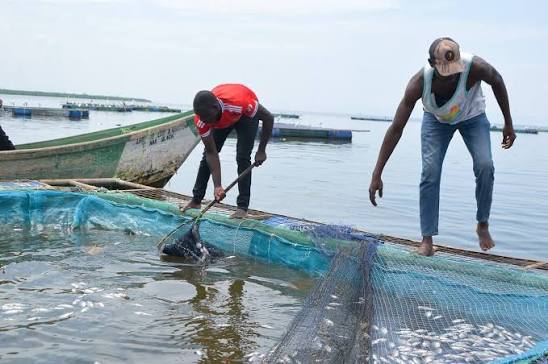
For the fishing communities of Buikwe, however, legislative reform a month away offers little immediate relief from a crisis that is unfolding now
Agriculture
Buikwe District, Uganda — At Kiyindi Landing Site on the shores of Lake Victoria, the signs of a stalled economy are hard to miss: shuttered shops, boats pulled up and abandoned on the beach, and rental houses standing empty in what was, until recently, one of the busiest silverfish trading hubs on the lake. The cause is a fishing suspension that has now dragged on long enough to threaten the survival of an entire local economy — and the government's response, unveiled this month, is a promise to rewrite the law that governs it.
State Minister for Fisheries Robert Migadde announced that government will table a new Fisheries Management Bill before Parliament within a month, part of what he described as broader reforms to how Uganda manages its lakes. The proposed law carries two changes that fishing communities have demanded for years: it would strip the military of day-to-day lake management and hand it to civilian authorities, and it would end the practice of publicly burning confiscated fishing gear and catch. In its place, Migadde said, enforcement officers will photograph confiscated exhibits for evidentiary purposes rather than hauling them to police stations or army detachments — a change explicitly designed, he said, to cut down on corruption within fisheries enforcement.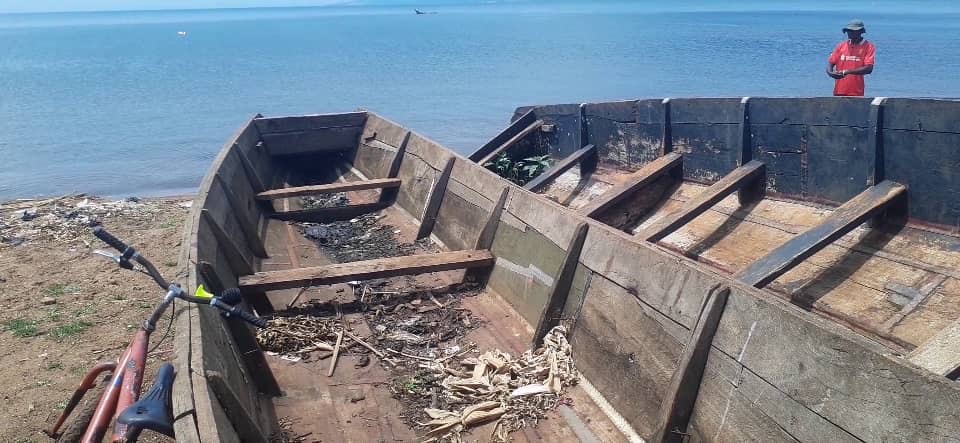
That corruption has been well documented. Uganda's fight against illegal fishing on Lake Victoria has for years been led by the UPDF Marine Battalion's Fisheries Protection Unit, formed in 2018, which has destroyed enormous quantities of illegal gear — including 5,780 nets worth an estimated Shs1.8 billion in one operation in Kwania District, and past seizures exceeding Shs14 billion in Apac District. But the militarised approach has also drawn sustained allegations of abuse: fishermen have accused Marine units of reselling confiscated gear back onto the lake, and Uganda's Parliament briefly halted the unit's operations in December 2019 after allegations of excessive force, corruption and even sexual violence by enforcement officers. The reforms Migadde is now proposing — civilian management, photographed rather than destroyed exhibits, immediate on-site destruction of gear in public view rather than transport to barracks — read as a direct response to that record.
For the fishing communities of Buikwe, however, legislative reform a month away offers little immediate relief from a crisis that is unfolding now. The government's suspension of silverfish — locally known as mukene — fishing stems from a 2024 ban on the "hurry-up" method and the use of lamps to attract the tiny fish, introduced by then State Minister for Fisheries Hellen Adoa on the grounds that the technique was catching juvenile Nile perch alongside silverfish and threatening the lake's most commercially valuable species. That ban was reinforced in February this year. President Museveni has since deferred a final decision on permissible silverfish fishing methods pending further consultation with experts and indigenous fishermen — but in the meantime, boats and gear associated with the banned method have been deregistered and ordered off landing sites, leaving traders and fishermen with no legal way to work.
The human cost in Buikwe is stark. Local leaders estimate that nearly 60 percent of residents who previously depended directly on the silverfish value chain — fishermen, driers, traders, boat owners, transporters — are now unemployed. Kiyindi Town Council Chairperson Amir Kigundu said local government revenue collections have dropped by roughly 40 percent since the suspension began, undermining the council's ability to fund basic services. Residents describe defaulting on bank loans taken out to invest in boats and gear, with some losing property after failing to keep up repayments. Beyond the immediate economic toll, the broader mukene crisis has been linked elsewhere on the lake to rising school dropout rates as families lose the income to pay fees, and to increased domestic tension in households under financial strain.
Adding to residents' frustration is a sense that the rules are being applied selectively. Buikwe South Member of Parliament Jimmy Kanaabi accused government of licensing commercial cage fish farming operations — including, he said, some run by foreign investors — inside fish breeding areas, even as thousands of small-scale silverfish fishermen are barred from working at all. "It is unfair for the government to license individuals, including foreigners, to carry out cage fish farming while thousands of local fishermen are denied the opportunity to earn a living," Kanaabi said, arguing that enforcement is targeting the smallest and most vulnerable operators while larger, better-connected ventures continue undisturbed. Some residents went further, accusing government of politicising fisheries policy outright, alleging that restrictions were quietly relaxed to allow fishing during the recent election campaign period before being reimposed shortly after the new government was sworn in.
Buikwe District Woman MP and State Minister in the Office of the Vice President, Diana Mutasingwa, offered a message of diversification rather than an immediate reopening, encouraging affected households to explore alternative livelihoods while the reforms take shape. She said government stands ready to support communities transitioning into other agriculture and business ventures with loans, seedlings and training in aquaculture, including help establishing fish ponds as an alternative to open-lake silverfish fishing.
The stakes extend well beyond Buikwe's landing sites. Uganda's inland fisheries sector is a major economic asset: the country was recently ranked Africa's leading producer of inland fisheries by the UN Food and Agriculture Organization's State of World Fisheries and Aquaculture report, with more than 500,000 tonnes of aquatic animals harvested from its lakes in 2024. Separately, Uganda secured formal European Union market access for farmed aquaculture products in January this year after a six-year compliance process, with officials targeting an industry worth more than $700 million as export channels open. Silverfish itself is not a marginal product in this picture — mukene is both a critical, affordable protein source for millions of Ugandan households and a significant contributor to the fishmeal and animal feed industry, meaning disruptions to its supply chain ripple well beyond the landing sites where the fish is caught.
That is the balancing act now facing policymakers: Lake Victoria's Nile perch and silverfish stocks are under genuine ecological pressure from overfishing and juvenile catch, and few dispute that some form of regulation is necessary to protect the resource long-term. But the manner of enforcement — militarised patrols, destroyed livelihoods, allegations of corruption and selective targeting of the poorest operators — has arguably done as much damage to public trust in fisheries management as illegal fishing has done to fish stocks. Migadde's promised Fisheries Management Bill addresses the enforcement half of that equation. Whether it, or any accompanying policy, also addresses the more basic question hanging over Kiyindi's empty boats and shuttered shops — when, exactly, will silverfish fishermen be allowed back on the water, and under what rules — remains unanswered. For a community that has already waited more than two years for clarity, a bill that is merely a month away from Parliament may feel like only the beginning of a much longer wait.



