LONDON
There is a particular kind of television gamble that only streaming allows: drop eight hours at once, on a Thursday, with no weekly runway to build word of mouth, and let the audience decide by Sunday whether you have a hit. Netflix took that gamble this morning with the second season of Guy Ritchie's "The Gentlemen," and the early returns suggest the show has done something braver than most returning hits attempt. It has changed genre on purpose.
Season one, which arrived in 2024, was a caper. Theo James played Eddie Horniman, a UN peacekeeper who inherits a dukedom, a crumbling estate and a very large cannabis operation growing underneath it. The comedy came from the collision — a decent man in a bespoke suit discovering that his family's money had a basement. It was breezy, extremely well dressed, and enormously popular.
Season two is not breezy.
From reluctant heir to willing kingpin
A year has passed in the show's timeline. Eddie is no longer the reluctant duke feeling his way through the criminal underworld; he is scaling an empire. Having joined forces with Susie Glass (Kaya Scodelario) and her luxuriously incarcerated father Bobby (Ray Winstone), he is discovering that being a power player in organised crime, as the show's own framing has it, fits him like an immaculately tailored suit.
The world widens accordingly. Where season one rarely left the English countryside, season two brings in the Italian mafia, Peruvian cartels, the British House of Lords, and a strain of mysticism and myth that the first season would never have entertained. Joely Richardson and Vinnie Jones return. The eight episodes run between 43 and 62 minutes, meaning the season is substantially longer than its predecessor.
The crucial structural shift is that this is Eddie's story now. Season one balanced Eddie and Susie as an odd-couple partnership finding equilibrium. Season two follows Eddie down, and asks whether a man who keeps insisting he is only doing this temporarily is telling anyone the truth, including himself.
A tonal gear change, and the argument about it
Critics have not agreed on whether the darkening is an evolution or a loss. The season currently sits at 68 percent with critics on Rotten Tomatoes against 83 percent with audiences — a fifteen-point gap that tells its own story about who wanted what from this show.
The favourable reviews argue the shift is the making of it. One assessment called the season "darker, meaner and more brutal" than the Netflix debut while insisting the show has not compromised on style or satisfaction, describing it as up there with the best television Netflix has to offer. Another argued that where season one was about bringing Eddie into a new world, season two pushes the character into deeper and darker waters, and that the move away from the comedy so evident in the first run is emphatically for the better — the show, in this reading, transforms into something completely new and finally hits its stride.
The sceptics are harder on it. One review found the second outing overly ambitious, the widened canvas stretching a tight premise past its natural shape. Another argued that Ritchie is working in his comfort zone and often coasting on a style that elevates what is otherwise a fairly straightforward crime drama.
Both readings can be true at once, and probably are. "The Gentlemen" was always a style delivery system. The question season two poses is whether that style can carry weight it was not originally designed to bear.
Why the split matters more than usual
In the weekly-episode era, a fifteen-point critic-audience gap would resolve slowly over two months of discourse. In the binge model, it resolves in about seventy-two hours, and it resolves in favour of whoever actually finishes the season.
Netflix's renewal calculus has moved decisively toward completion rate — the percentage of starters who reach the final episode — rather than raw first-weekend viewing. A tonal shift is exactly the kind of thing that can crater completion: viewers who came for the caper and found a tragedy tend to drift away around episode three. It is also exactly the kind of thing that can build a more durable show, if the people who stay stay harder.
That is the real bet Ritchie and Netflix have made here, and it will be settled quietly, in a dashboard, over the next fortnight.
What to watch for if you press play tonight
Three things are worth tracking across the eight hours.
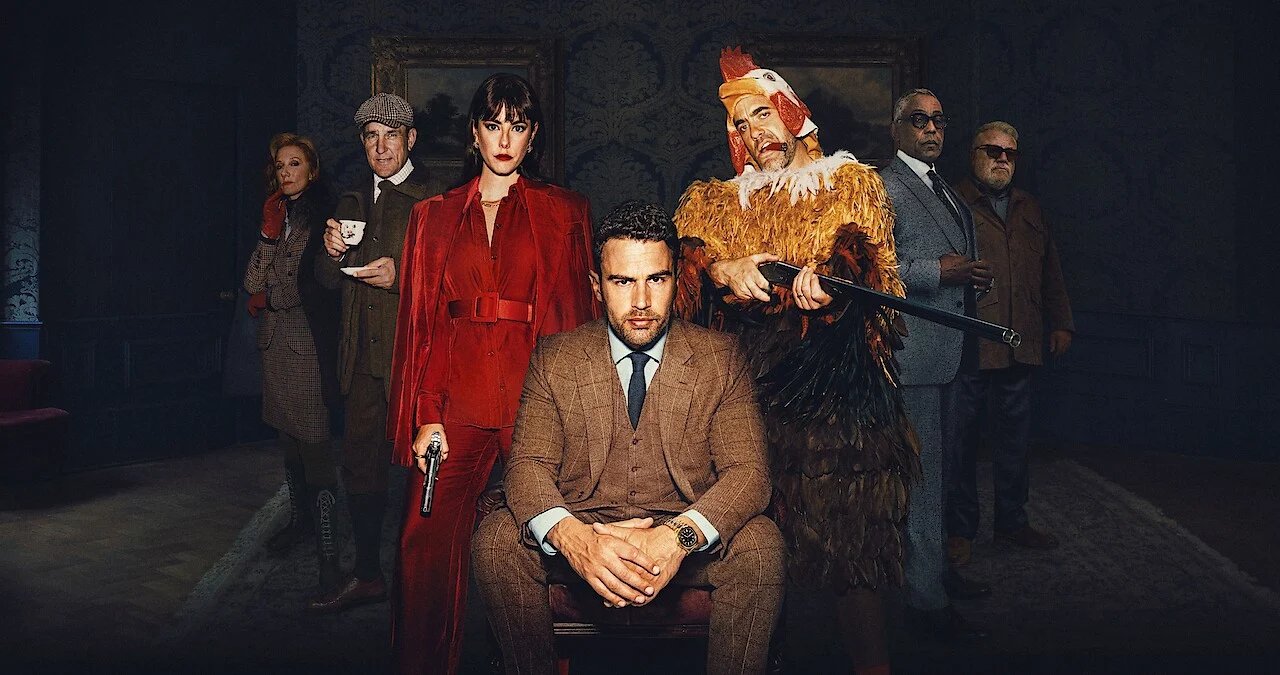
First, the suits — genuinely. The costume design in season one did narrative work, charting Eddie's corruption through tailoring, and the reviews suggest it is still doing it. Watch what he wears in episode one versus episode eight.
Second, the Bobby Glass problem. Ray Winstone playing a crime lord running an empire from an unusually comfortable prison cell was season one's best joke and season two's most obvious source of tension, since the show now has to decide whether he is a mentor or a rival.
Third, the ending. Ritchie has left himself an obvious runway toward a third season, and the final twenty minutes will tell you whether he intends to use it.
If you loved season one for the fizz, be warned: this is not that show. If you thought season one was a beautifully dressed trifle that never quite committed, this may be the version you were waiting for. Either way, it is eight hours long and it is already on your homepage.
Published By | Features Editor