Written By | Health News Agencies
An incurable mosquito virus is spreading through Costa Rica's most Instagrammed beaches — and the CDC just told American tourists to watch their step
SANTA CRUZ, Costa Rica
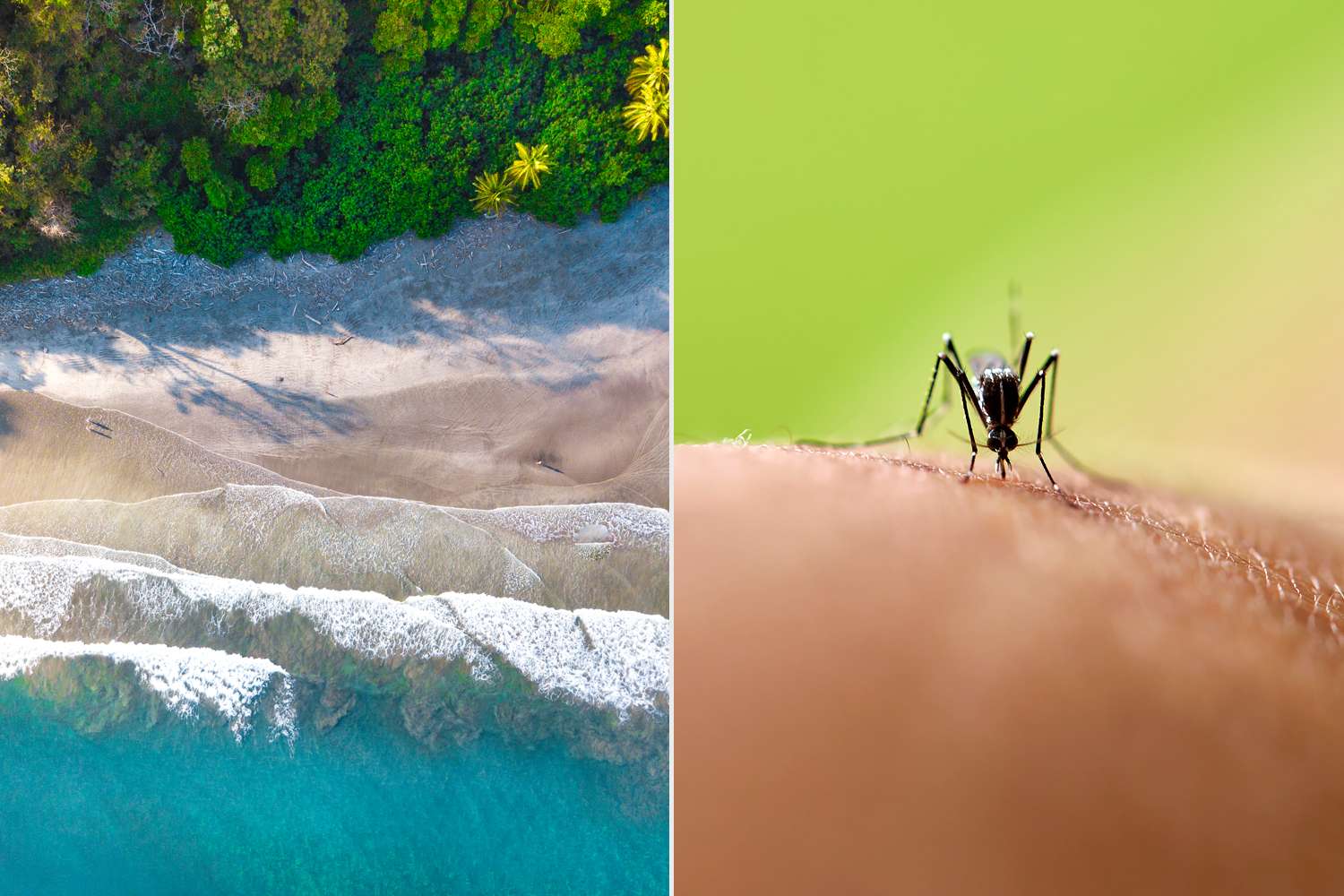
The white sand of Playa Langosta looks exactly like it does in every influencer's feed: turquoise water, surfers paddling out at dawn, sunset yoga classes advertised on hand-painted signs outside beach bars. It is one of the most popular stretches of coastline in Central America, a magnet for American vacationers chasing the perfect wave near Tamarindo. But this month, health officials on both sides of the border are urging travelers to look past the postcard and consider the mosquitoes.
Costa Rica's Ministry of Health has confirmed that chikungunya, a viral disease with no cure and no approved vaccine widely available in the region, is now spreading locally in Guanacaste Province, radiating out from Playa Langosta and the broader Santa Cruz area. The U.S. Centers for Disease Control and Prevention responded by raising its travel health notice for Costa Rica to Level 2 — "Practice Enhanced Precautions" — on July 16, and the U.S. Embassy in San José followed with its own health alert to American citizens on July 13, urging heightened vigilance for anyone visiting the northwest Pacific coast.
For a country whose economy leans heavily on the roughly three million tourists who fly in every year, many of them Americans headed straight for Guanacaste's surf towns, the timing could hardly be worse. And for the people already infected, the disease's name says it all: in the Kimakonde language of Mozambique and Tanzania, where it was first documented in 1952, chikungunya means "that which bends up" — a reference to the stooped, contorted posture of patients doubled over by joint pain so severe they can barely stand upright.
HOW THE OUTBREAK EXPLODED
The numbers tell a story of a slow burn that suddenly caught fire. Costa Rica logged a handful of chikungunya cases earlier in 2026 — by late January, the Ministry of Health was still counting them one at a time, confirming a second case for the year. By May, the tally had crept to six. Then, on July 1, everything changed: the ministry formally declared an active outbreak in Playa Langosta after investigating 45 suspected cases, of which four were laboratory-confirmed and 17 were classified as probable.
From there the curve went vertical. Within three weeks, Costa Rica's national case count rocketed from 11 to 47, according to Ministry of Health data reported by Infobae — a more than fourfold jump that triggered the U.S. travel alert. By July 21, the Tico Times was reporting at least 21 PCR-confirmed cases tied specifically to the outbreak, with Guanacaste Province — concentrated around Playa Langosta — accounting for 18 of them. Sixteen more cases turned up in Alajuela province, thirteen of those clustered in the community of El Coyol, showing the virus is no longer confined to the coast; it has found a foothold in the Central Valley too, widening the map of where an infected mosquito could be waiting.
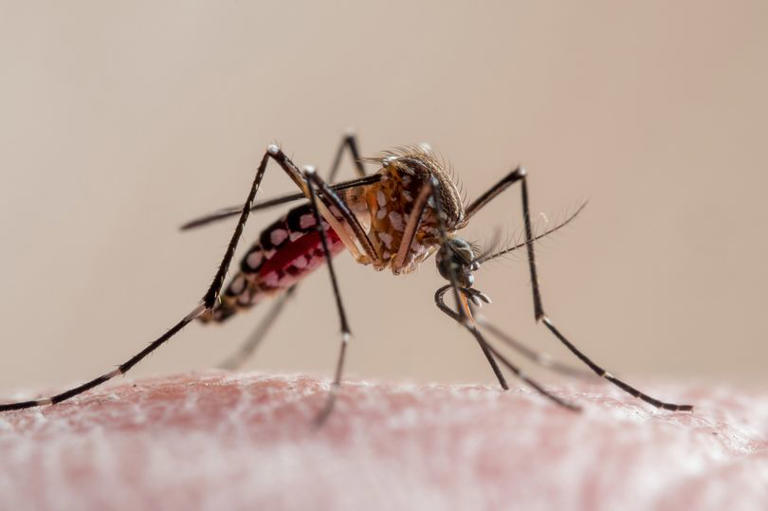
Crucially, health officials stress this is local transmission — meaning the virus isn't just arriving with infected travelers anymore. It's now circulating inside Guanacaste's own mosquito population, carried by the same Aedes aegypti and Aedes albopictus species responsible for spreading dengue and Zika. Once a virus establishes itself in local mosquitoes, outbreaks become far harder to contain, because eliminating it requires attacking the insect population itself, not just isolating sick travelers.
The CDC's areas-at-risk map, last updated July 22, specifically flags "Costa Rica (Playa Langosta and northwest Pacific coastal areas)" rather than the whole country — a distinction that matters if you already have a trip booked, but one that public health officials warn could shift as surveillance continues.
WHAT CHIKUNGUNYA ACTUALLY DOES TO YOUR BODY
Chikungunya isn't dengue's more famous, deadlier cousin, but it is arguably crueler in a different way. According to the CDC, symptoms typically begin three to seven days after the bite of an infected mosquito, opening with a sudden, high fever that often spikes above 102°F. Then comes the signature symptom: polyarthralgia, or severe pain in multiple joints, usually striking both sides of the body symmetrically — both wrists, both knees, both ankles at once. Patients frequently describe it as feeling like their joints are being crushed or set on fire from the inside.
Headache, muscle pain, joint swelling, conjunctivitis (red, irritated eyes), nausea, vomiting, and a blotchy, raised rash round out the acute phase, which typically resolves within seven to ten days. For most patients, that would be the end of it — a miserable week and then recovery.
But chikungunya has a nasty habit of overstaying its welcome. Research cited by the CDC and published in peer-reviewed clinical literature shows that a meaningful share of patients — with some studies estimating that around a quarter still report joint pain two years after infection, and at least 40% describing some persistent joint symptoms — go on to develop lingering or relapsing arthritis-like pain in the months and even years following the initial illness. Some patients are ultimately diagnosed with a form of chronic inflammatory arthritis triggered by the virus, a condition that can require the same kind of long-term rheumatological management as rheumatoid arthritis.
And here is the sentence that should give any traveler pause: there is no antiviral medicine that treats chikungunya. None. The CDC's own guidance is blunt — supportive care is the only option, meaning rest, fluids, and over-the-counter pain relievers like acetaminophen to manage the fever and aches while the body's immune system fights off the virus on its own. Doctors specifically warn against ibuprofen or aspirin until dengue has been ruled out, since those drugs can worsen bleeding risk if the two mosquito-borne illnesses are confused, which happens often because their early symptoms overlap.
A vaccine, IXCHIQ, has been approved by the FDA for adults at increased risk of exposure, but it isn't a routine travel vaccine most tourists get before a beach vacation, and its rollout in Central America remains limited. For now, prevention still comes down to the same unglamorous basics generations of travelers have heard before: DEET-based repellent, long sleeves at dawn and dusk when Aedes mosquitoes are most active, and screened or air-conditioned lodging.
THE HUMAN COST BEHIND THE CASE COUNTS
Behind every number in the Ministry of Health's spreadsheet is somebody who can't hold a coffee cup without wincing. Costa Rican outlets have described a pattern familiar from past chikungunya outbreaks in the Caribbean and Central America: patients showing up at local clinics doubled over, unable to grip a steering wheel, unable to pick up a toddler, unable to work. Because Guanacaste's economy depends so heavily on tourism-linked service jobs — bartenders, surf instructors, hotel staff, taxi drivers — an illness that leaves you unable to stand for a full shift isn't just painful, it's an economic threat to families who rely on high season income.
Foreign visitors have not been spared either. Costa Rican officials confirmed early on that the outbreak includes both Costa Rican nationals and foreign tourists among the initially investigated cases, meaning the virus arrived on the same beaches where sunburned Americans are currently booking surf lessons. For a returning traveler, the disease doesn't necessarily announce itself as anything exotic — a fever and body aches a few days after landing back home can look, at first, like a bad flu, delaying diagnosis and treatment for a condition doctors outside endemic regions may not immediately recognize.
EXPERT PERSPECTIVE
Public health officials have been careful to frame the CDC's Level 2 notice not as a call to cancel trips, but as a call to prepare for them differently. "Practice Enhanced Precautions" is a specific tier in the CDC's travel health notice system — one step above routine precautions but below an outright recommendation to avoid nonessential travel — and it typically triggers when local disease transmission is confirmed in a way that meaningfully raises risk for visitors, without amounting to a public health emergency for the general population.
The U.S. Embassy's July 13 health alert to citizens in Costa Rica echoed that CDC guidance, specifically calling out Guanacaste and urging Americans in or traveling to the region to take insect-bite prevention seriously, monitor for symptoms, and seek medical care promptly if fever and joint pain develop. Costa Rica's own Ministry of Health has simultaneously ramped up "vigilancia epidemiológica" — epidemiological surveillance — including expanded mosquito-control fumigation in affected neighborhoods and public messaging urging residents to eliminate standing water around homes, the breeding ground Aedes mosquitoes depend on.
Entomologists and infectious disease specialists who study Aedes-borne viruses have long warned that chikungunya, dengue, and Zika share the same mosquito vector and the same seasonal risk factors — meaning a chikungunya outbreak is rarely an isolated event. Warmer temperatures, increased rainfall, and standing water from Costa Rica's rainy season, which typically runs from roughly May through November, all favor mosquito breeding, and officials are watching closely for whether dengue cases climb in parallel.
WHAT THIS MEANS FOR YOU
If you have a trip to Guanacaste booked, public health guidance does not say cancel — it says prepare. Pack and use an EPA-registered insect repellent containing DEET, picaridin, or oil of lemon eucalyptus, and reapply it as directed, especially during the early morning and late afternoon hours when Aedes mosquitoes bite most aggressively. Choose accommodations with screens or air conditioning where possible, and consider long sleeves and pants during peak mosquito activity, even in tropical heat.
If you develop a sudden fever with joint pain within two weeks of returning from Costa Rica — or any chikungunya-affected region — tell your doctor exactly where you traveled and when. Chikungunya isn't on most primary care physicians' radar the way flu or COVID is, and a specific travel history can be the difference between a fast diagnosis and weeks of confusion while doctors chase the wrong culprit.
Pregnant travelers and people over 65 or with underlying health conditions should talk to a travel medicine specialist before departure, since they face higher risk of severe or prolonged illness. And if you're already infected, doctors emphasize avoiding further mosquito bites during the first week of illness — infected patients can pass the virus back to biting mosquitoes, feeding the same local transmission cycle that turned a handful of Guanacaste cases into a province-wide outbreak in a matter of weeks.
CONCLUSION
Costa Rica isn't going anywhere on anyone's bucket list, and health officials aren't telling Americans to stay home. But the Playa Langosta outbreak is a reminder that paradise comes with an asterisk during rainy season: the same warm, wet climate that makes Guanacaste's jungle and coastline so lush also makes it prime real estate for a mosquito that's currently spreading a disease doctors still can't cure. Bring the bug spray. Watch the case count. And if your joints start screaming a week after you get home from the beach, don't assume it's just jet lag.