Written By | Fashion and Design Desk
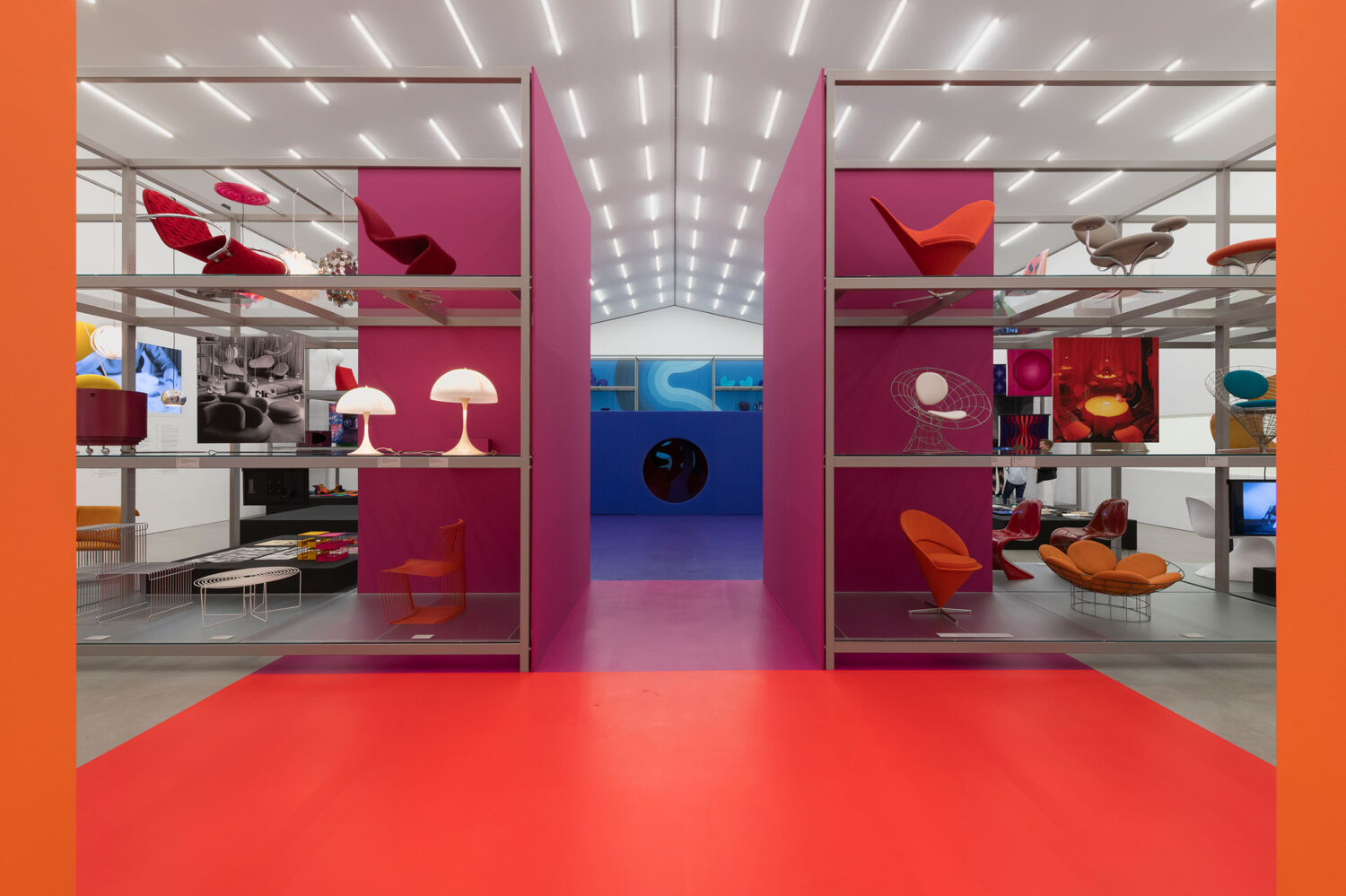
Vitra
WEIL AM RHEIN, GERMANY
Vitra, one of the most influential names in modern design, announced this week that it has appointed Claudio Marconi as chief executive and Marianne Goebl as creative director. Neither name will mean much outside design circles. That's arguably the point.
An Operations Mind for an Operations Moment
Marconi spent more than two decades at IKEA, rising to head of supply chain development and digital—a role focused on the unglamorous machinery of getting products to people on time at the right cost. It's a notably different background from the design-pedigree executives who typically run companies at Vitra's altitude. High-end furniture has spent recent years navigating tariff volatility, supply chain shifts, and a luxury slowdown. A CEO whose specialty is digital supply-chain transformation is a company betting that operational discipline is what the next several years demand.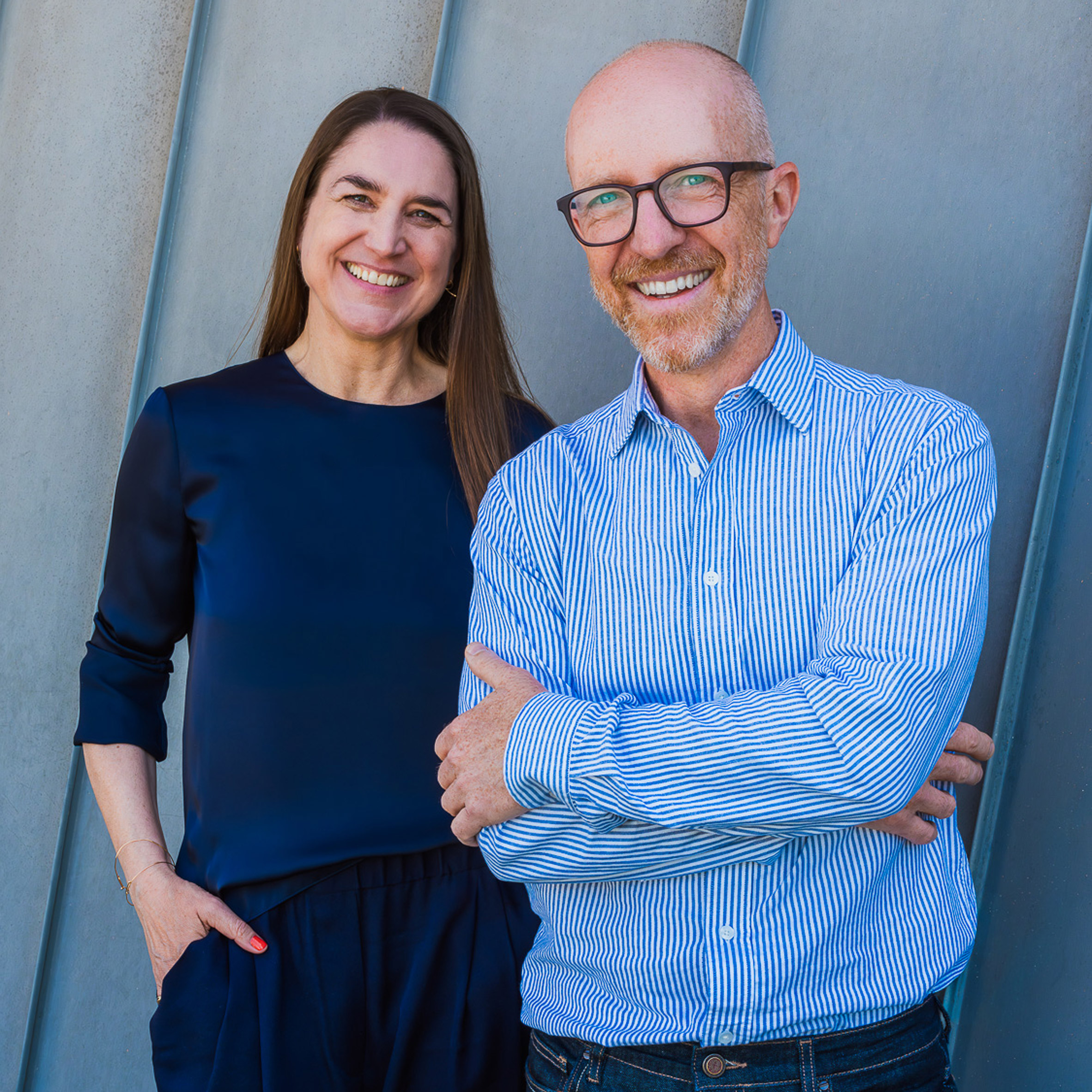
Claudio Marconi (right)
Marconi isn't a complete outsider—he held a freelance role at Vitra as operations committee lead between 2023 and 2026, giving him an inside view before taking the top job.
The Aalto Connection
Goebl's appointment carries a different weight. She worked at Vitra once before, as head of international PR and partnerships, before leaving in 2011 to direct Design Miami. Since 2014, she has been at Artek, the Finnish furniture manufacturer co-founded by Alvar Aalto, most recently as president of its board.
That matters: Vitra's owner Rolf Fehlbaum has spoken of his admiration for Aalto for decades. Goebl spent a decade shaping Artek's cultural profile—essentially doing for a smaller modernist brand what she's now being asked to do at larger scale for Vitra: protect a design legacy without letting it calcify into nostalgia.
Why Pair These Two, Specifically
Vitra appears to be avoiding a trap that has caught other heritage design brands: handing too much authority to either a purely commercial operator or a purely creative one. Companies that lean too hard into efficiency risk losing design credibility. Companies that lean too hard into vision risk beautiful collections that never turn a profit. Splitting those mandates—between a logistics specialist and a design-world insider with deep modernist credentials—is more durable than asking one person to hold both jobs.
It's a structure that mirrors how some luxury fashion houses now separate CEO and creative director roles, after years of conflating them. Furniture brands have been slower to adopt that split. This reads as the Fehlbaum family formalizing a separation of powers the business has arguably needed.
The Stakes for a Design Bellwether
Vitra isn't just another furniture company. Its catalog includes licensed reissues of designs by Charles and Ray Eames, Verner Panton, and George Nelson. Its Weil am Rhein campus is a pilgrimage site for design students. What Vitra does ripples through the rest of the high-end furniture world. A leadership change at this level is a signal about how one of the industry's most-watched companies thinks the next several years should be navigated.
What This Means for You
Even if you've never bought a piece of Vitra furniture, this appointment is a useful weather vane. When a company this influential chooses operational caution over another splashy creative hire, it suggests the broader design industry is bracing for a harder commercial stretch. If you follow design trends, watch what Vitra does next—both because its choices filter down, and because Goebl's modernist, Aalto-inflected sensibility suggests a recommitment to restraint and craft over trend-chasing.
Conclusion
Vitra didn't announce a splashy collection or celebrity collaboration this week. It announced two people whose job, in different ways, is to ensure the company is still standing—and still recognizably itself—years from now. In an industry distracted by the next big creative statement, that's a quietly significant bet: what Vitra needs most right now isn't a bolder vision, but steadier hands to carry the one it already has.



