Written By |
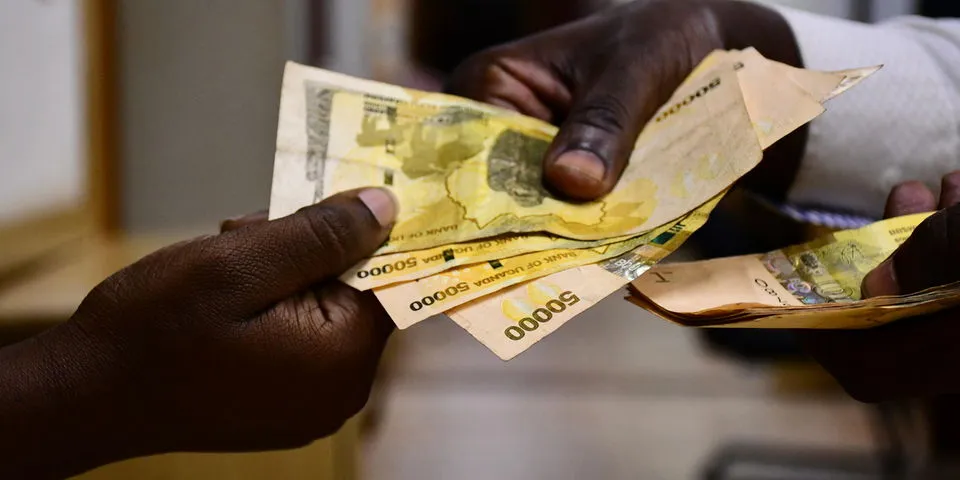
Traders called for safeguards to prevent moneylenders from exploiting borrowers
By Our Reporter
In a move to protect borrowers from exorbitant interest rates, the government has set a maximum interest rate for moneylenders at 2.8% per month or 33.6% annually. This decision was announced by Finance Minister Matia Kasaija in a notice published in the Uganda Gazette on November 15, 2024. The new rates follow the recent passage of the Tier 4 Microfinance Institutions and Moneylenders (Amendment) Bill 2024 by Parliament.
“In accordance with Section 89 (1) of the Tier 4 Microfinance Institutions and Moneylenders Act, the maximum interest rate a moneylender shall charge on the principal or the actual amount advanced as a loan to a borrower is 2.8% per month or 33.6% per annum,” Kasaija stated. By comparison, commercial banks in Uganda charge interest rates ranging between 16% and 28% annually.
Tackling exploitative lending
The amendment addresses widespread concerns about moneylenders charging unregulated rates as high as 30% per month, often trapping borrowers in cycles of debt. Parliamentarian Yusuf Mutembule, who proposed the amendment, said the government’s inaction had left many vulnerable to exploitation.
President Yoweri Museveni has also been vocal about the issue, describing moneylenders as "bloodthirsty parasites" during his State of the Nation Address in June 2024. He criticized their high rates, questioning how lenders could justify charging over 20% monthly when the inflation rate is just 3%.
Museveni further called for laws to prohibit the use of National Identification Cards as collateral for loans, highlighting cases where borrowers were tricked into signing sales agreements for their properties.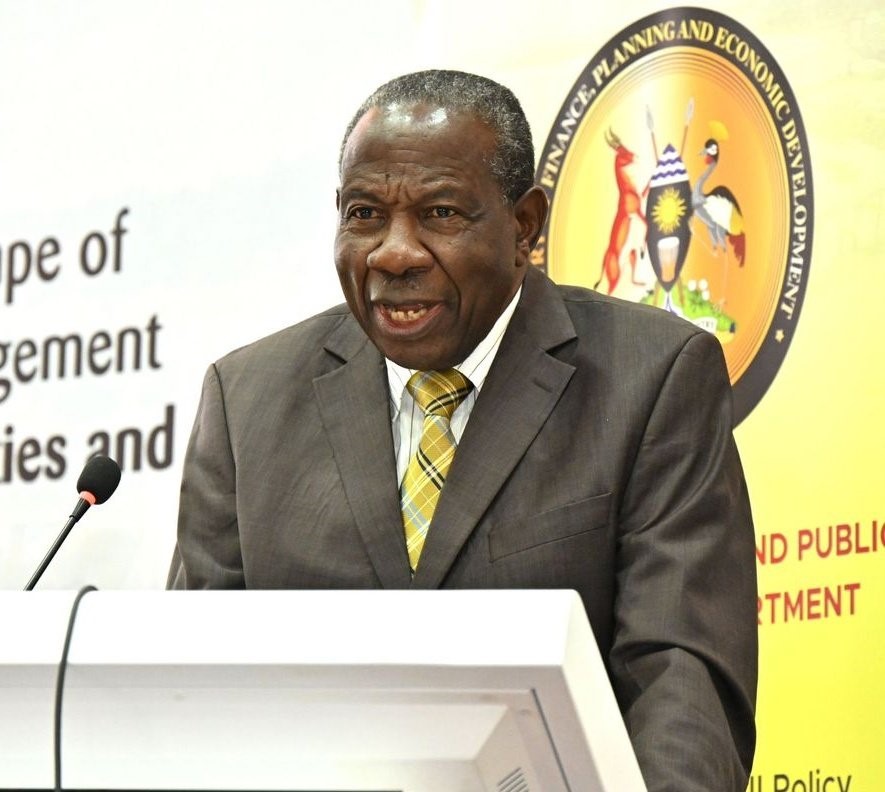
Minister Matia Kasaija
Concerns From the lending industry
While borrowers welcomed the new regulation, moneylenders expressed dissatisfaction, arguing that the cap could push the industry underground.
“Money lending is a high-risk business. With such low interest rates, many lenders will abandon the industry, leaving borrowers at the mercy of bureaucratic banks,” said Robert Kabanda, a moneylender in Ntinda-Kisasi, Kampala.
Maria Kamugisha, who runs a moneylending business in Kikuubo, added: “These rates are unsustainable. Borrowers prefer us because we provide fast solutions to urgent problems. If lenders exit the market, it’s the borrowers who will suffer.”
Some lenders also highlighted the double standard of regulating their rates while leaving their sources of capital untouched.
“You can’t regulate us and ignore the unregulated markets we borrow from,” said Moses Lumu of Property Lends in Owino Market.
Calls for broader financial reforms
The Kampala City Traders Association (KACITA) welcomed the cap but stressed the need to address challenges in the banking sector.
“Banks are plagued by bureaucracy. Borrowers face long delays in accessing loans, which drives them to moneylenders. The government must address these systemic issues first,” said KACITA chairperson Dr. Thadeus Musoke. He also called for safeguards to prevent moneylenders from exploiting borrowers, suggesting that caveats be placed on properties offered as collateral instead of requiring borrowers to sign sales agreements.
The way forward
The Finance Ministry and Uganda Microfinance Regulatory Authority (UMRA) will oversee the implementation of the new rates. However, questions remain about the capacity of these institutions to regulate the vast and diverse moneylending industry effectively. With this reform, the government hopes to strike a balance between protecting borrowers and sustaining a critical source of financial relief for many Ugandans.
Torch Media Africa



