Minna, Niger State
A week after 37 artisanal miners died inside an overcrowded holding cell run by a Nigerian paramilitary agency, the country is confronting a dual political crisis: mounting evidence that guards may have deliberately suffocated detainees during a raid on illegal gold-mining sites, and a separate, escalating dispute over whether President Bola Tinubu's monthlong absence from Nigeria violates the constitution. Together, the two controversies have exposed deep fissures in the accountability of Nigeria's security agencies and in the transparency of its presidency, testing an administration already under pressure over insecurity and economic hardship.
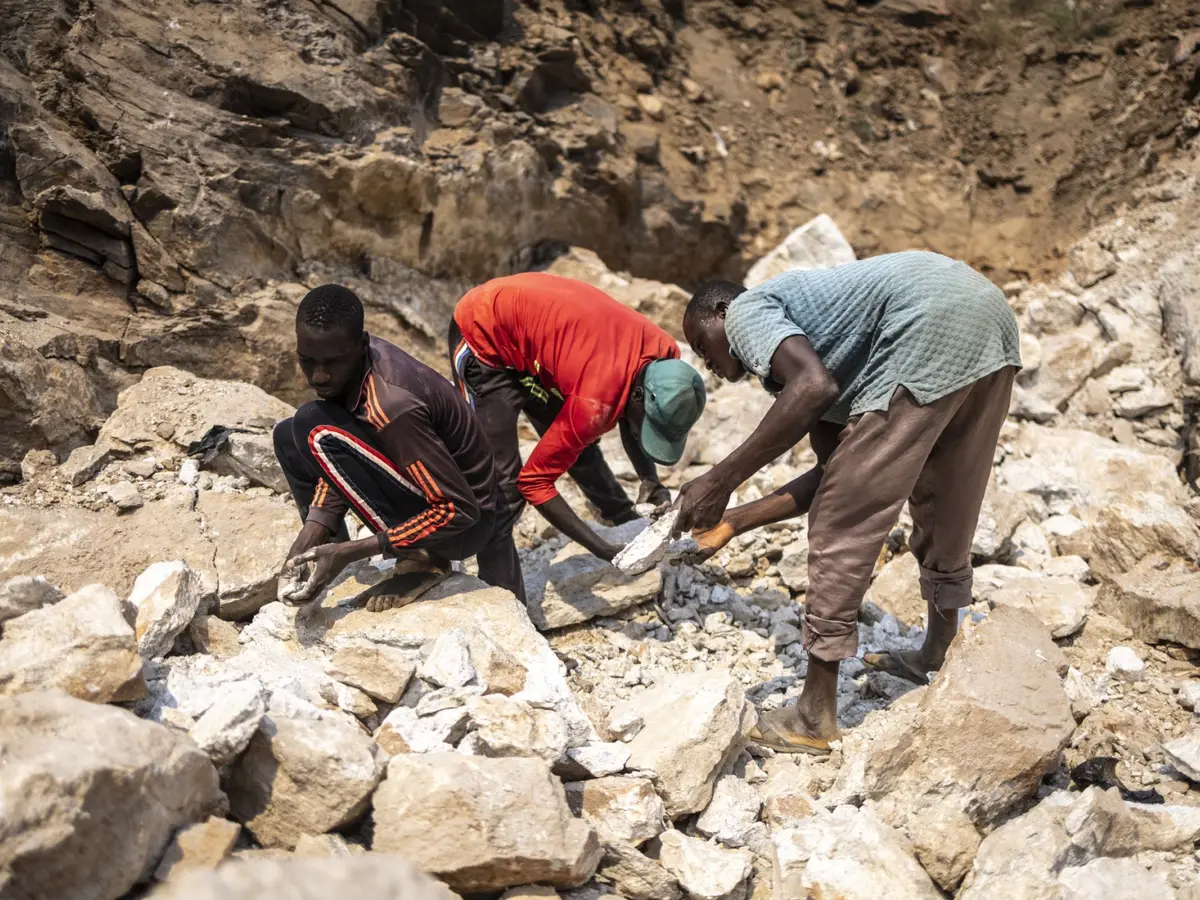
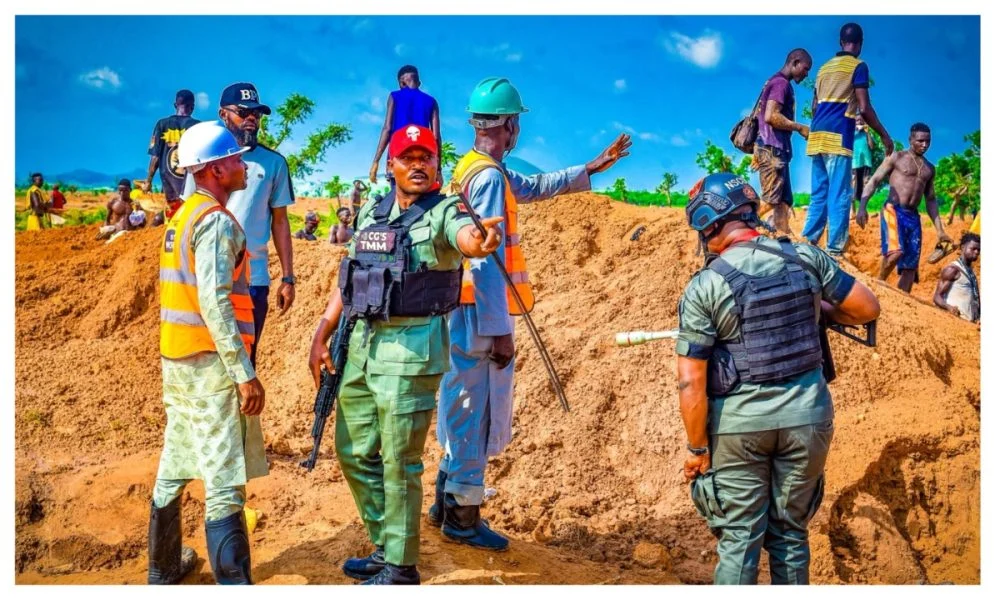
The deaths occurred after officers of the Nigeria Security and Civil Defence Corps (NSCDC) raided suspected illegal gold-mining sites in the Wushishi-Lukoto area west of Minna, the Niger State capital, on the night of Sept. 15-16. Dozens of suspects — mostly teenagers and young men working the artisanal mines — were crammed into a holding cell that survivors described as roughly five square meters, built to hold a fraction of the number detained. What began as 17 detainees swelled to around 50 as the raid continued through the night, according to accounts three survivors gave to Reuters.
By the morning of Sept. 17, bodies were being pulled from the cell. Reuters journalists verified 33 bodies at Minna's General Hospital that day; the death toll has since been confirmed at 37, according to Nigerian officials and multiple local outlets, including Channels Television and the Tribune. Six more bodies remained in the hospital mortuary as of the most recent reporting, even as many victims were buried quickly in accordance with Islamic tradition.
What Survivors Describe
The accounts survivors gave are harrowing and consistent in their broad strokes, though they diverge on some details of what, exactly, was released into the cell. Adamu Isah, 22, told Reuters: "At first, we thought they were trying to put scent in the room because there were so many people inside. Then, one after another, they started dying." Dauda Shehu, 29, described a similar sequence: "They sprayed something which smelled like a perfume. Hours later we started feeling throats itching, then we started struggling to breathe." A third, unnamed survivor said detainees had repeatedly begged guards to address the overcrowding: "We kept complaining that it (the cell) was tiny, yet none of them listened to us."
Family members allege that some of the mistreatment extended beyond the cell conditions themselves. Shafa'atu Suleiman, whose son Abdullahi was among those detained, told reporters, "This is injustice. We will not forgive them," and said officials had demanded 100,000 naira (about $75) for her son's release while preventing relatives from bringing him food.
The NSCDC's own account of events has shifted. Immediately after the deaths came to light, the agency suggested a disease outbreak might be responsible. It has since backed away from that explanation, saying the cause of death remains formally undetermined pending medical examination — even as survivor testimony points toward asphyxiation from an unidentified substance sprayed into the packed cell.
Institutional and Political Response
The scale of the fallout inside the NSCDC has been unusually swift and severe by the standards of past Nigerian security-force controversies. Interior Minister Olubunmi Tunji-Ojo ordered the immediate suspension of the Niger State Commandant, Suberu Siyaka Aniviye, and convened a 10-member federal panel given two weeks to report on the deaths. The NSCDC's Commandant General, Ahmed Abubakar Audi, went further still, confirming that 24 personnel — Aniviye and 23 other officers — have been arrested and placed in what the agency called "protective custody" while undergoing "rigorous interrogation and administrative disciplinary action." Audi said those found responsible would "face the full weight of internal disciplinary measures and the law," and the agency has flown its flags at half-mast for three days in a public gesture of institutional remorse. The case has also been referred toward a Presidential Independent Investigation Committee for further review and potential prosecution.
President Tinubu, for his part, ordered an investigation into the deaths. Niger State Governor Umaru Bago and Minister Tunji-Ojo both traveled to the affected area, and Bago has since met with traditional rulers, including the Etsu Nupe, who called the deaths "tragic" and urged residents to respect mining regulations to preserve order. Speaking Sept. 23, Bago described the episode as "unfortunate" and acknowledged it had "attracted significant local and international attention," while pointing to broader insecurity challenges facing his state.
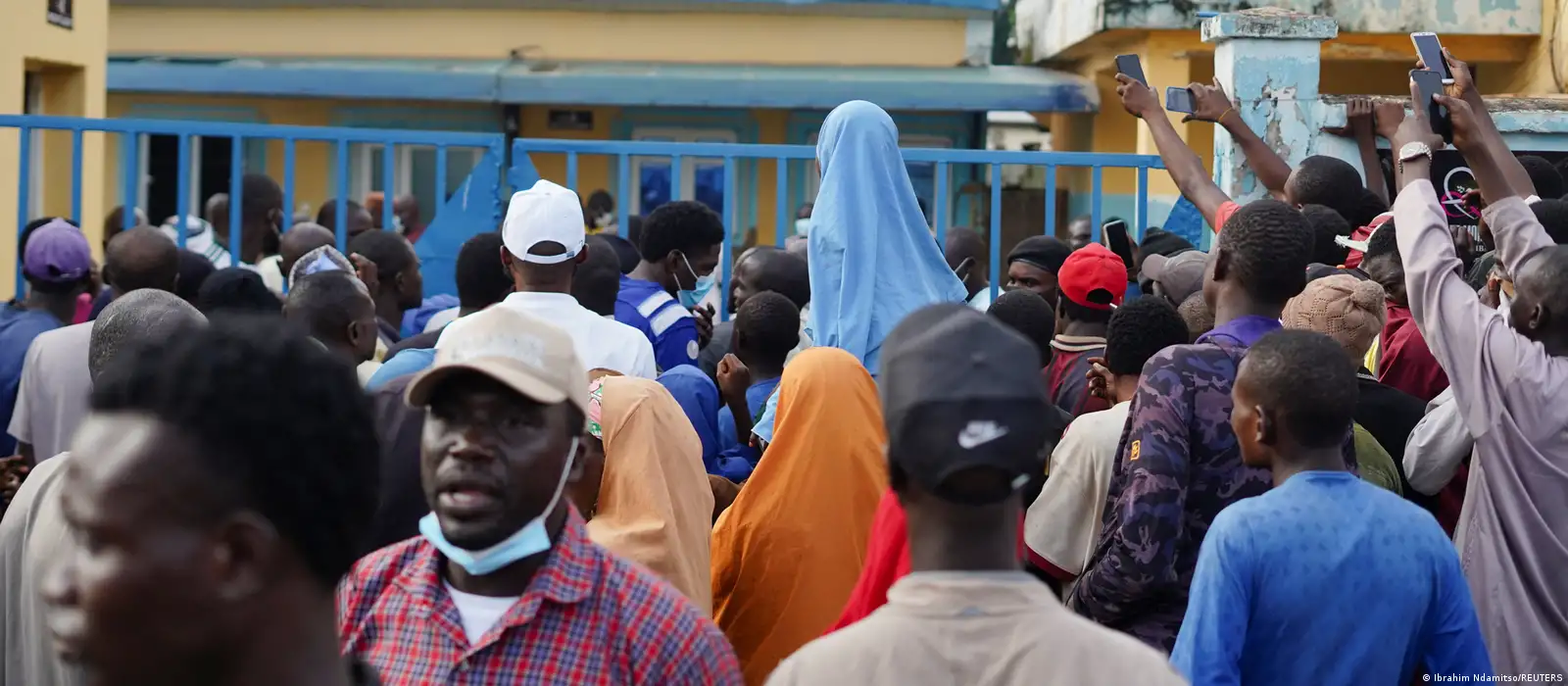
That response, however, has not contained public anger. Overnight protests broke out in Minna on the Thursday after the deaths were discovered, with youths chanting "Justice must be done" and damaging vehicles; clashes the following day left one person dead and prompted authorities to impose a 24-hour curfew before heavy security deployment restored calm by Friday morning. Separately, residents of Borgu, roughly 600 of whom have been held since a gunmen attack on Aug. 21, staged their own protests, suggesting the Minna deaths have become a flashpoint for wider grievances about detention conditions and due process under Nigeria's security services.
A Parallel Constitutional Controversy
The custody-deaths scandal has unfolded alongside — and is now intersecting with — a separate controversy over President Tinubu's whereabouts. Tinubu left Nigeria for London on Aug. 30 for what the presidency described as a working vacation; as of this week, he had not returned, with his office indicating on Monday that he was expected back "at the weekend." That is nearly a full month abroad, and critics say it coincided with Vice President Kashim Shettima's own trip to New York to attend the United Nations General Assembly — raising the prospect that Nigeria's top two constitutional officers were simultaneously outside the country during a major domestic crisis.
Human rights lawyer Inibehe Effiong, appearing on Channels Television, called the dual absence "a brazen violation of the Constitution." He pointed to Section 145 of Nigeria's 1999 Constitution, which requires the president to formally notify the Senate President and the Speaker of the House of Representatives in writing before traveling or when unable to discharge his duties, triggering a transfer of authority to the vice president as acting president. Opposition figures have seized on the episode: Atiku Abubakar, the African Democratic Congress's presidential candidate, has publicly questioned whether Section 145 procedures were followed and demanded clarity on who is currently exercising presidential authority. The presidency has pushed back, maintaining that governance continues uninterrupted, that Tinubu remains in regular contact with officials, and that the Secretary to the Government of the Federation is representing him at official functions in his absence.
Stakes and Analysis
The convergence of these two stories — a mass-casualty scandal inside a state security agency and unresolved questions about who is actually running the country — is politically combustible. Nigeria's security services, including the NSCDC, the police and the military, have faced recurring allegations of abuse in custody, but the scale of 37 deaths in a single incident, and the specificity of survivor accounts describing a substance sprayed into a locked cell, has generated a level of domestic and international scrutiny that is proving difficult for the government to manage through routine disciplinary measures alone. The rapid arrest of 24 officers signals that federal authorities understand the reputational stakes, particularly given Nigeria's history of stalled or inconclusive investigations into security-force killings.
At the same time, the presidential-absence dispute feeds a broader narrative pushed by opposition figures like Atiku Abubakar about weak institutional accountability at the very top of government — a narrative that gains force precisely because it surfaced during a domestic emergency requiring visible leadership. Even if the constitutional questions are ultimately resolved without a formal crisis, as the presidency insists they will be, the controversy underscores how thin the margin is between routine executive travel and a legitimacy challenge in a democracy still working to institutionalize its succession and transparency norms.
What happens next will likely determine how much lasting damage both controversies inflict. The federal panel's findings, due within two weeks of its formation, will be a critical test of whether Nigeria's institutions can deliver real accountability rather than a symbolic suspension. Equally, Tinubu's return this weekend — and whatever explanation his office offers for the extended absence — will shape whether the Section 145 debate fades or hardens into a sustained opposition talking point ahead of Nigeria's next election cycle. For families in Minna still awaiting answers about how their sons died in state custody, the outcome of the federal investigation will matter far more than the constitutional argument in Abuja — but both now sit squarely on the president's desk.
Published By | News Editor