Written By | Peter Luzinda
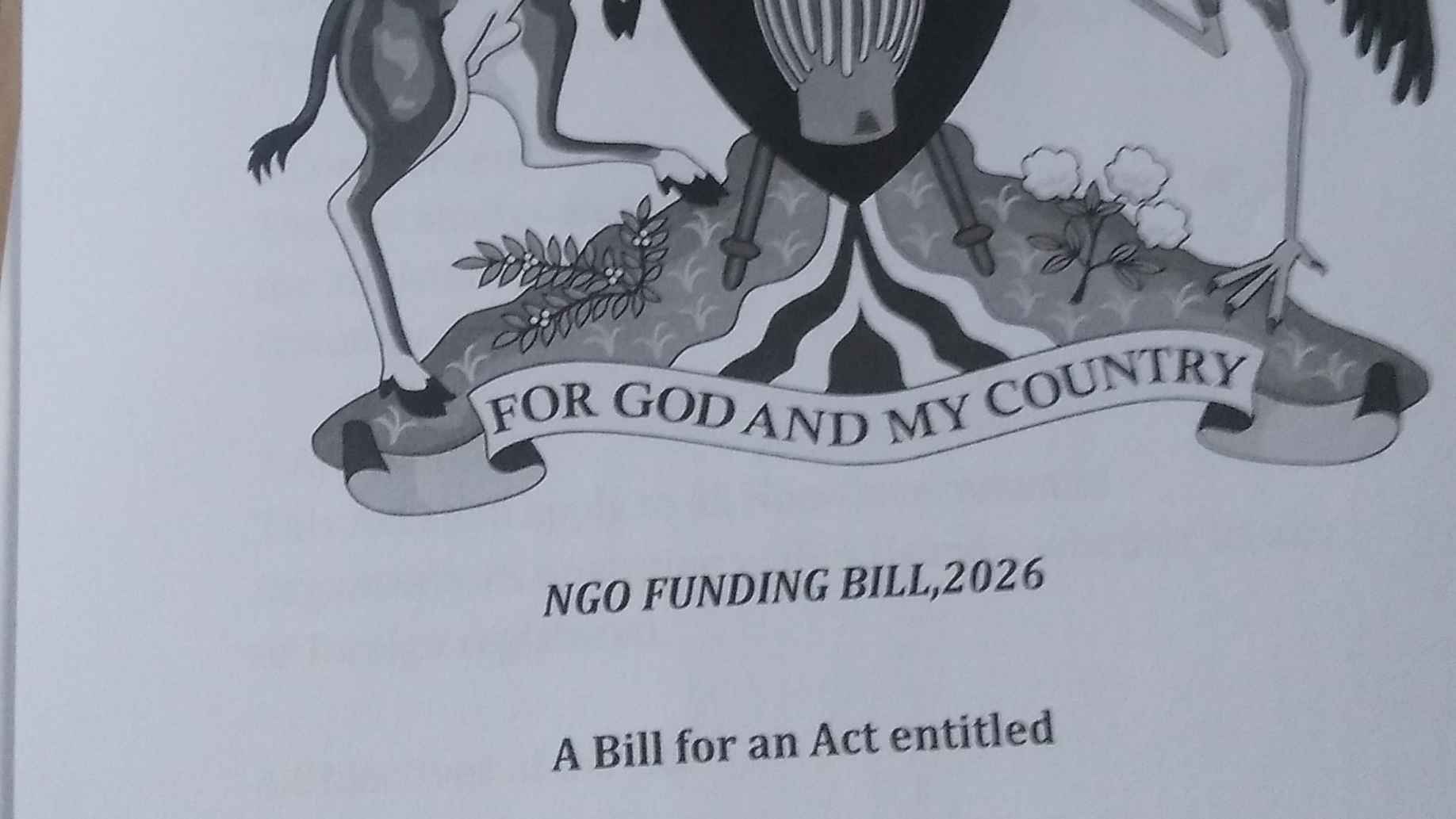
NGOs have long played a central role in Uganda's development, delivering services in health, education, and rural communities where government reach is often limited
KAMPALA
A proposed NGO Funding Bill is stirring debate across Uganda, with critics warning that it could significantly expand government control over non-governmental organisations (NGOs), even as it promises greater transparency and financial sustainability.
The Bill, which has not yet been tabled in Parliament, seeks to reform how NGOs receive, manage, and report funding — a move that could reshape the country's civil society landscape.
A Sector Built on Foreign Support
NGOs have long played a central role in Uganda's development, delivering services in health, education, and rural communities where government reach is often limited. Others focus on human rights, governance, and accountability.
Most of these organisations depend heavily on foreign funding, which in many cases makes up the majority of their operational budgets. This funding has sustained critical programmes for years, but it has also placed NGOs under increasing scrutiny from regulators.
Existing laws, including the NGO Act 2016 and its 2024 amendment, already require NGOs to register, declare funding sources, and submit reports to the National NGO Bureau. In recent years, enforcement has tightened, with some organisations suspended over compliance and security concerns.
What the New Bill Seeks to Change
The proposed NGO Funding Bill, 2026, introduces stricter controls on how NGOs access and use funds, particularly from foreign sources.
Under the draft provisions:
Supporters say these measures are aimed at improving accountability, reducing reliance on external donors, and aligning NGO activities with national priorities.
Where NGOs Could Benefit
The Bill is not without potential advantages for NGOs. Some provisions could reduce operational costs, including lower registration fees and possible tax exemptions on equipment used for community work.
By encouraging local fundraising, the Bill may also push NGOs to diversify their income sources, which could improve long-term sustainability if domestic support systems grow.
In addition, stricter reporting standards could enhance credibility and public trust, making it easier for NGOs to attract funding and partnerships.
However, these benefits largely depend on whether local funding opportunities actually materialise — something many experts say remains uncertain.
Why Critics Are Concerned
Despite these potential gains, critics argue that the Bill could tilt the balance of power toward the government.
At the centre of concern is control over foreign funding. Granting the Minister authority to cap external funding could determine which NGOs thrive and which struggle — especially those involved in governance, elections, or human rights work.
The expanded reporting requirements may also create a heavy compliance burden, particularly for smaller organisations with limited administrative capacity.
More significantly, restrictions on politically related funding could create a chilling effect, discouraging NGOs from engaging in advocacy or holding authorities accountable.
Combined, these measures could increase NGOs' dependence on government-approved funding channels, potentially limiting their independence.
A Familiar Pattern?
Civil society actors note that Uganda has seen increasing regulation of NGOs over the years, with oversight powers gradually expanding.
While there is no specific published analysis yet from the International Center for Not-for-Profit Law on this draft, similar legal trends have often resulted in greater state influence over civil society operations.
Observers also point to the timing of the proposal — ahead of national political activity — as a factor that could heighten tensions between NGOs and the state.
The Bigger Question
As debate around the Bill grows, a key issue remains: does it strengthen NGOs, or does it strengthen government control over them?
While the proposed law promises transparency and sustainability, its provisions suggest a shift toward tighter regulation and oversight.
For many Ugandans, the outcome will determine whether NGOs can continue to operate independently — or whether their ability to act, especially on sensitive issues, becomes increasingly shaped by government control.
Torch Media Africa



