Written By | Health News Agencies
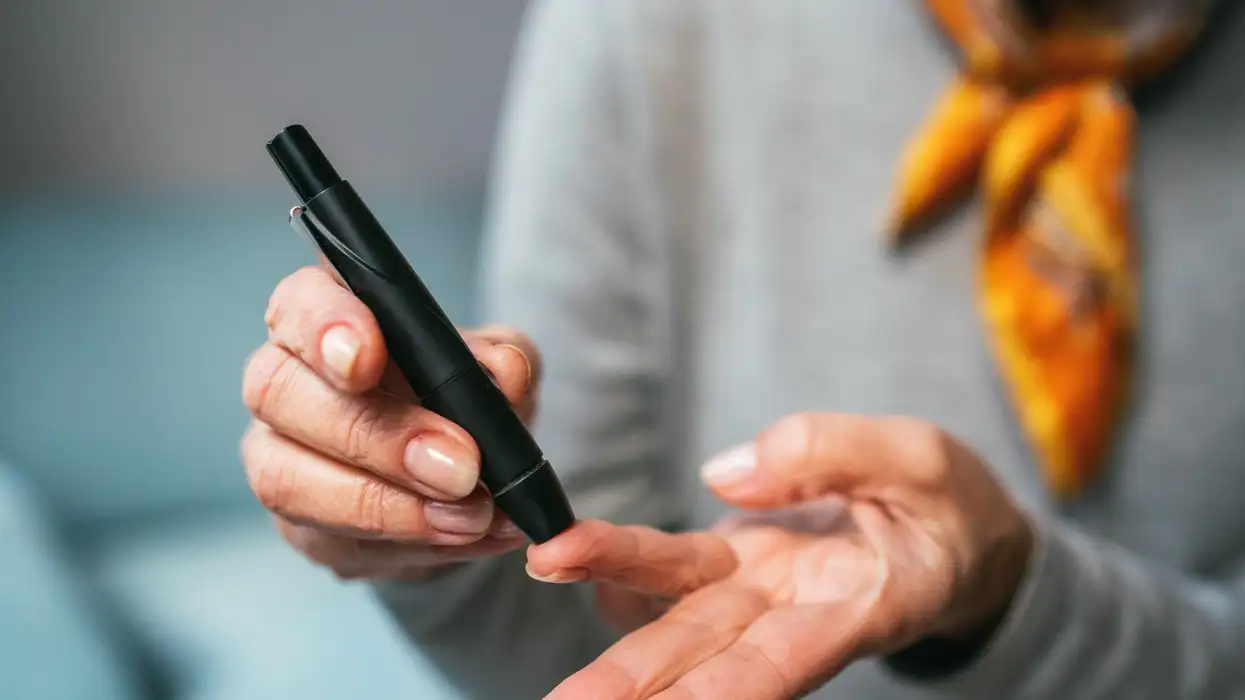
Type 1 diabetes is autoimmune—the body's immune system mistakenly destroys the pancreas's beta cells. By diagnosis (Stage 3), damage is well underway, but some beta cells usually remain.
WASHINGTON, D.C.
For as long as type 1 diabetes has existed, the moment a child heard "you have it" came with one prescription: insulin, every day, for life. No drug could slow the immune system's attack on insulin-producing cells. That changed June 12, 2026, when the FDA approved Tzield (teplizumab) for children ages 8 to 17 with newly diagnosed Stage 3 type 1 diabetes. For the first time, doctors have a therapy that fights back against the disease itself.
A Disease That Doesn't Wait
Type 1 diabetes is autoimmune—the body's immune system mistakenly destroys the pancreas's beta cells. By diagnosis (Stage 3), damage is well underway, but some beta cells usually remain. Until now, doctors had no way to protect them—only to replace what the body lost, injection by injection, for decades.
An estimated 314,000 U.S. children under 20 live with type 1 diabetes, with 7,000–8,000 new cases diagnosed yearly. Incidence rose roughly 45% between 2001 and 2017 alone. For families, diagnosis has meant blood sugar checks, carb counting, pumps or injections, and the constant fear of dangerous highs and lows—a life sentence before elementary school ends.
Inside the Trial That Changed Everything
Tzield's approval rests on the Phase 3 PROTECT trial—a randomized, double-blind, placebo-controlled study of 328 children treated within six weeks of Stage 3 diagnosis. Two-thirds received teplizumab; the rest got placebo. Treatment came in two 12-day IV courses, the second about 26 weeks later.
The trial measured stimulated C-peptide—a marker of how much insulin the body still produces—at 78 weeks. Kids on teplizumab showed significantly preserved C-peptide compared to placebo, a gap with less than a 1-in-1,000 chance of being random. The drug measurably slowed the loss of natural insulin production.
Doctors say this carries real-world weight. Preserving even some insulin production means smoother blood sugar control, lower insulin needs, and fewer dangerous low-blood-sugar episodes that send kids to the ER. Every surviving beta cell is one less thing a pump must compensate for.
How a 30-Year-Old Idea Finally Found Its Moment
Teplizumab targets CD3 on T cells—the immune soldiers attacking the pancreas. By binding CD3, it recalibrates T cells, dialing back their aggression without wiping out immunity. Researchers chased this mechanism since the 1980s, but it took decades to refine.
The drug first broke through in 2022, approved to delay Stage 3 onset in people with early-stage disease detectable only through antibody tests. But most families don't learn their child is at risk until symptoms appear—by which point that approval didn't apply. This year's expansion closes that gap, reaching the larger population diagnosed in emergency rooms after symptoms set in.
The Voices Behind the Data
"Practically all patients with new-onset stage 3 T1D should be offered therapy," said Dr. Kevan Herold, Yale professor and PROTECT co-author—a striking recommendation that this become standard practice, not a niche option.
The FDA granted accelerated approval—reserved for serious conditions with unmet needs, based on surrogate markers like C-peptide that predict real benefit. Sanofi must continue gathering confirmatory data.
What This Means for You
If your child is recently diagnosed, bring this up at your next endocrinology visit. Tzield is for ages 8–17 within roughly six weeks of Stage 3 diagnosis—timing matters. It's an infusion, not a pill, requiring coordination with an infusion center over multiple days for each of two courses.
Cost and access are the next battleground. Sanofi hasn't detailed pricing, and insurance coverage will roll out unevenly. Advocacy groups are expected to push for broad coverage.
Be realistic: Tzield does not cure type 1 diabetes or eliminate insulin needs. It offers a meaningful slowdown—easier management and fewer complications, not reversal. It's a tool to make a hard disease more manageable, not a replacement for daily care.
A Turning Point, Not a Finish Line
Type 1 diabetes research has spent a century playing defense—replacing what the disease takes. Tzield's expanded approval marks the first time medicine can play offense, stepping in at diagnosis to blunt the autoimmune attack. Sanofi now spans over 900 patients treated across two approved uses, with studies continuing on earlier intervention and broader age ranges.
For hundreds of thousands of American families navigating a type 1 diagnosis—and thousands more who'll hear those life-altering words this year—Tzield doesn't promise a cure. But for the first time, it gives doctors something to do at the exact moment a child's body turns against itself. And that, researchers say, is a genuine turning point in a disease that has waited far too long for one.



