Written By | News Agencies
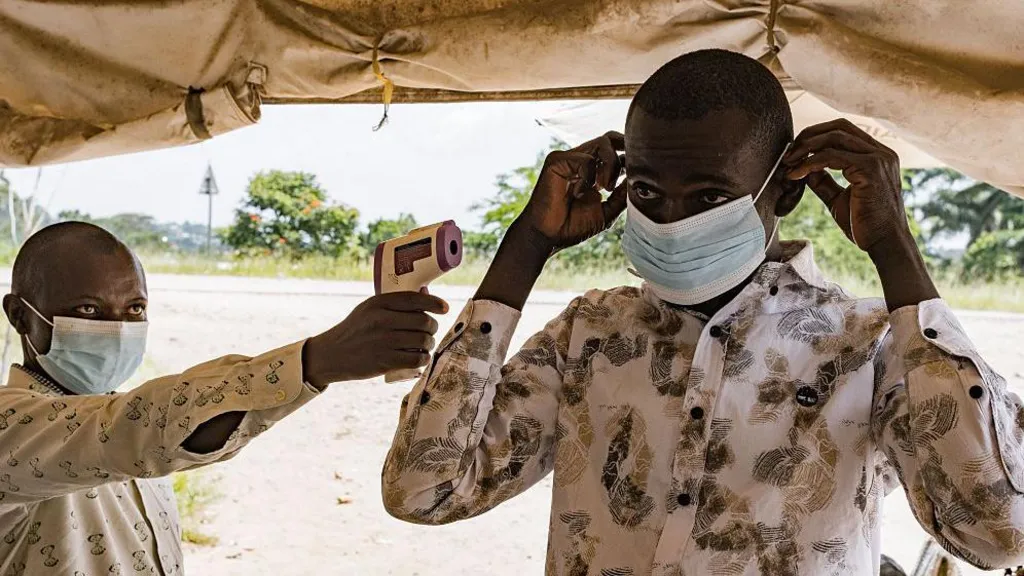
WHO chief Dr Tedros Adhanom Ghebreyesus said there have been 600 suspected cases of Ebola and 139 suspected deaths but numbers are expected to rise given the time taken to detect the virus.
The World Health Organization has warned that it could take up to nine months before a vaccine targeting the Bundibugyo strain of Ebola is ready for use as the outbreak continues to spread in the Democratic Republic of the Congo and neighbouring Uganda.
Speaking to journalists in Geneva on Wednesday, WHO adviser Dr Vasee Moorthy said two possible candidate vaccines against the Bundibugyo species are currently under development, but neither has undergone clinical trials.
“One of the vaccines would be equivalent to the only currently available Ebola vaccine, which is effective against the Zaire strain,” Dr Moorthy explained. “This needs to be prioritised as the most promising Bundibugyo candidate vaccine.”
According to the WHO, it is likely to take between six and nine months before the vaccine is ready. Dr Moorthy also revealed that a second vaccine candidate, based on the same platform as the AstraZeneca Covid-19 vaccine, is still under manufacture and lacks sufficient animal data to prove its effectiveness. He said doses for clinical trials could become available within two to three months, although uncertainty remains.
WHO Director-General Tedros Adhanom Ghebreyesus said the outbreak has so far resulted in about 600 suspected Ebola cases and 139 suspected deaths, although officials expect the numbers to rise as surveillance improves.
He confirmed that 51 cases have been laboratory-confirmed in eastern DR Congo, where the outbreak began, while Uganda has recorded two confirmed cases in Kampala involving travellers from DR Congo. One of the Ugandan patients has died.
“We know the scale of the epidemic in DRC is much larger,” Tedros said, noting that healthcare workers are among the dead, raising concern over the safety of frontline medical staff.
Local health workers say some treatment facilities are overwhelmed despite the arrival of personal protective equipment. Aid organisations have also warned that many health centres are operating without adequate protection.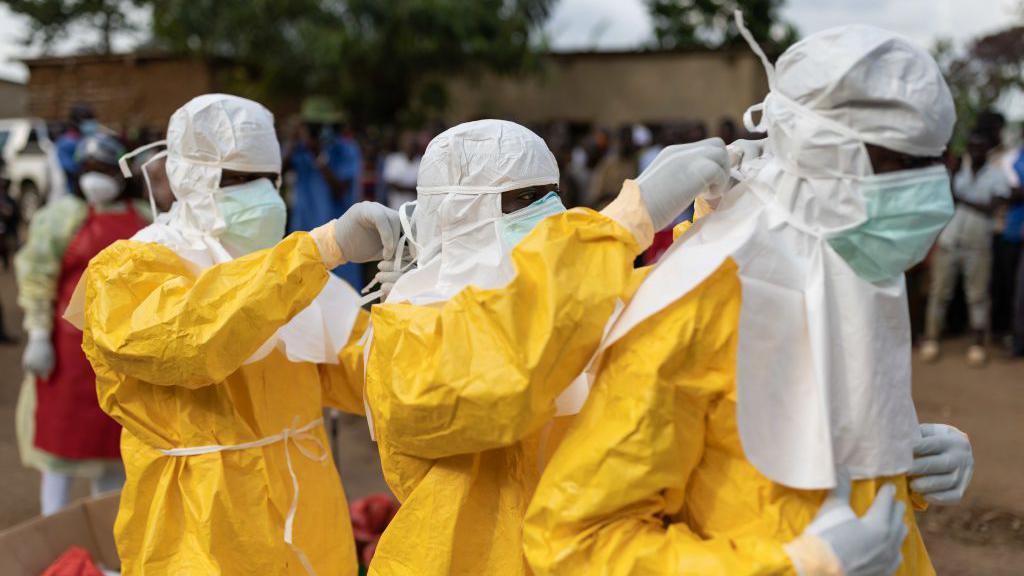
Trish Newport, an emergency programme manager with Médecins Sans Frontières, said hospitals are struggling to accommodate suspected patients.
“Health facilities are telling us, ‘We are full of suspect cases. We don’t have any space.’ This gives you a vision of how serious the situation is right now,” she told AFP.
The United Kingdom government has announced up to £20 million in support to help contain the outbreak. The funding will support frontline health workers, infection control measures, and disease surveillance.
WHO officials say investigations are ongoing to establish how long the virus had been circulating before it was detected. The first known case was reportedly a nurse who developed symptoms and died on April 24 in Bunia, the capital of Ituri Province. Her body was later transported to Mongwalu, one of the mining towns now heavily affected by the outbreak.
Residents in eastern DR Congo say fear is spreading alongside the virus.
“For the last three days I haven’t shaken anyone’s hand,” said Araali Bagamba, a lecturer living in Bunia. “It is our habit to shake hands all the time, but the habit has changed.”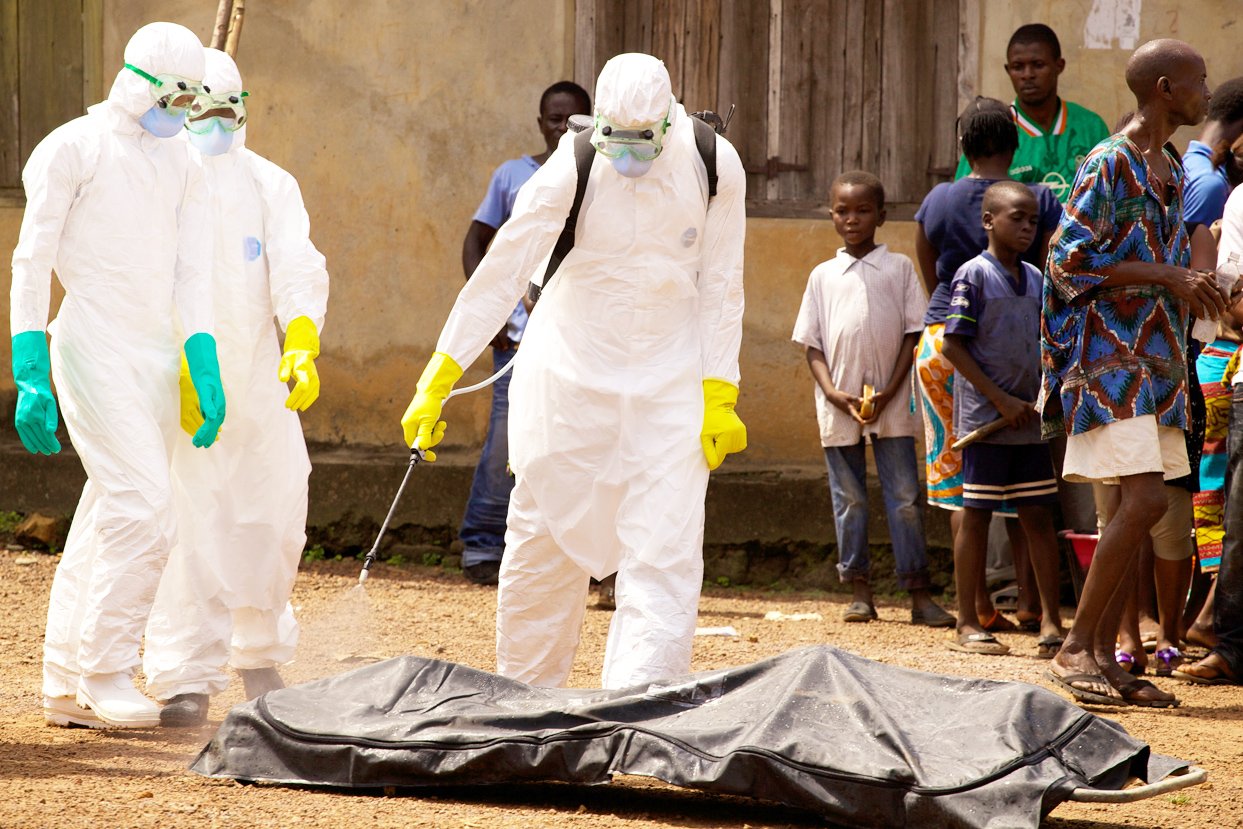
Ebola spreads through direct contact with bodily fluids or broken skin and can cause severe bleeding, organ failure, and death.
The Bundibugyo strain was first identified during an outbreak in Uganda in 2007 and later reappeared in DR Congo in 2012. Although it is considered less deadly than the Zaire strain, experts say its rarity has complicated response efforts because there are no approved vaccines or targeted treatments currently available.
DR Congo is currently battling its 17th Ebola outbreak, but health officials say the situation is particularly difficult because eastern parts of the country continue to face insecurity and armed conflict, which complicate surveillance, contact tracing, and treatment operations.
Torch Media Africa



