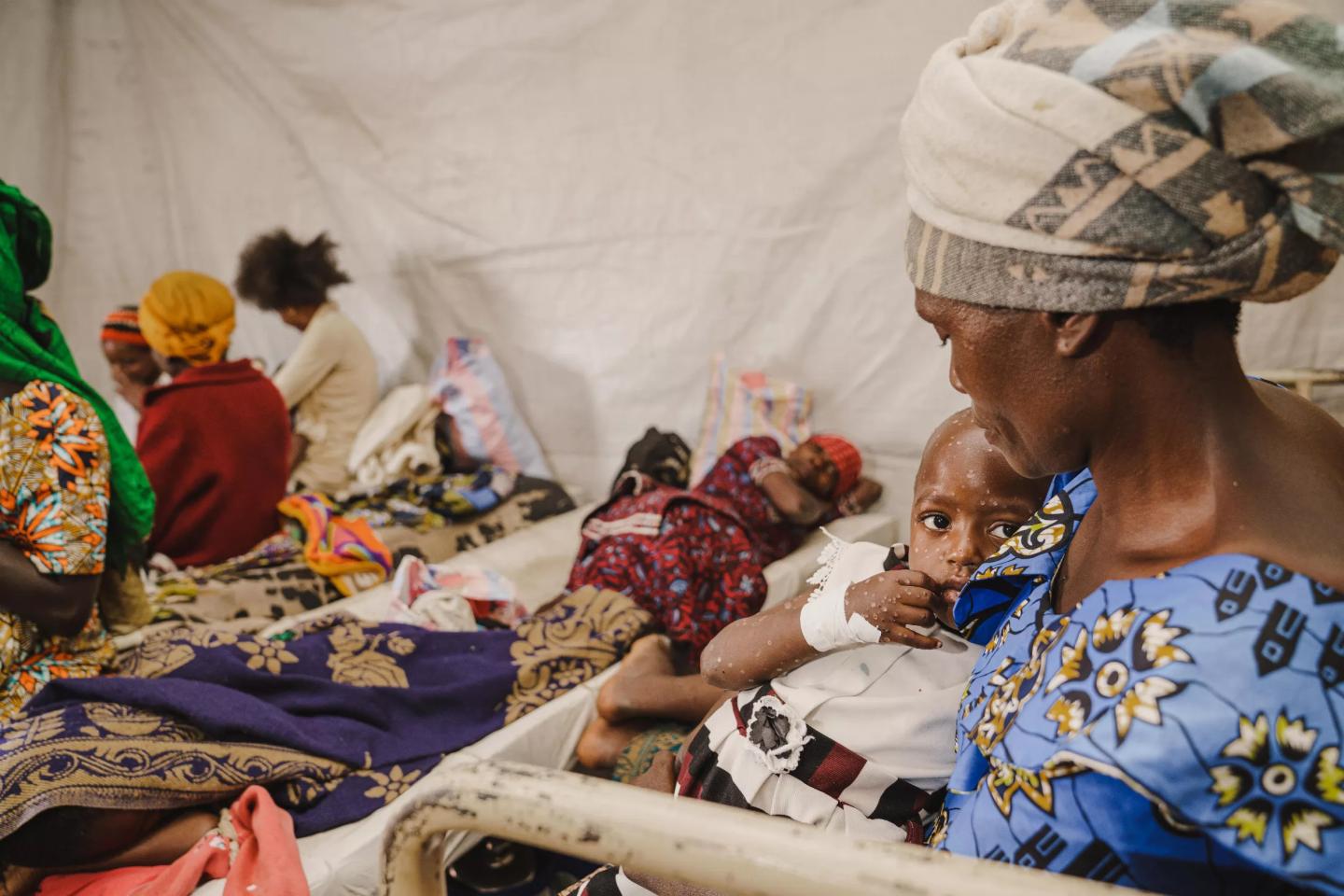
More than 2,100 cases, seven deaths, and 69 districts affected: six months after it began, the island nation's mpox crisis has become the largest anywhere — fueled by vaccine stockouts, broken cold chains, and a healthcare system stretched to its limit
ANTANANARIVO
It started quietly, the way most outbreaks do. On December 30, 2025, Madagascar declared an mpox outbreak — just one more disease alert in a world grown numb since the virus formerly known as monkeypox grabbed global headlines in 2022. Six months later, that quiet declaration has metastasized into the largest mpox outbreak driven by the especially concerning clade Ib variant in the African region — and, by several measures, anywhere in the world.
As of WHO's most recent situation report (June 14, 2026), Madagascar has confirmed 2,117 cases and seven deaths. The latest reporting week alone produced 136 new confirmed cases, with a test positivity rate of 65 percent — so high it suggests health workers aren't even testing most people who probably have the virus. The outbreak has reached 69 of Madagascar's 115 districts, meaning more than half the country is dealing with active transmission.
WHO's assessment is blunt: the outbreak is "not yet under control," citing "continuing high case counts, high test positivity, operational challenges... vaccine stockouts and cold chain challenges."
The variant that changed the rules
Mpox has circulated for decades as a relatively contained threat — until 2022, when a milder clade (IIb) sparked a worldwide outbreak. A new and more dangerous variant, clade Ib, emerged afterward in the Democratic Republic of the Congo and triggered a second WHO Public Health Emergency in 2024 — the first time in WHO history the same disease had been declared a global emergency twice within two years.
Clade Ib spreads more efficiently through close, sustained contact — including sexual contact — and has shown a worrying capacity to move through household and community networks rather than staying contained. Madagascar's outbreak is now believed to be the single largest concentration of clade Ib transmission recorded anywhere.
A health system buckling under the weight
The numbers tell only part of the story. WHO describes a near-perfect storm of structural failures. Surveillance has been "inadequate" — meaning officials suspect the real case count could be considerably higher.
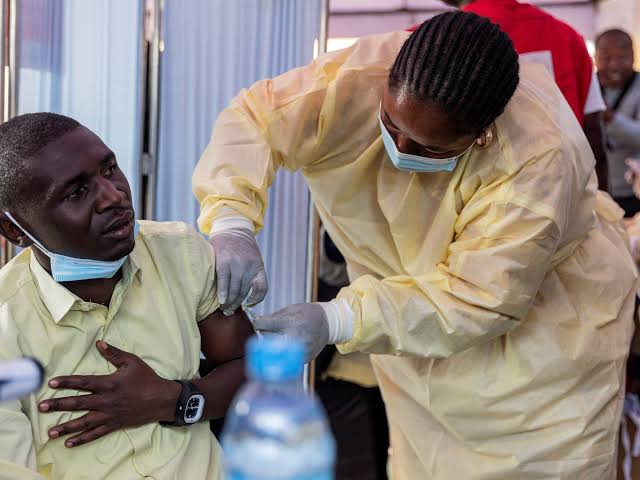
Then there's the vaccine problem. Vaccines exist. They work. Madagascar received its first shipment in mid-January 2026: 30,000 doses of the MVA-BN vaccine, earmarked for healthcare workers and high-risk populations. But six months and 2,000 cases later, the country is experiencing vaccine stockouts — supplies have been outpaced by the outbreak's speed.
Compounding that shortage: cold chain failures. The vaccine must be stored at specific temperatures from manufacture to injection — a logistical challenge that's difficult even in wealthy countries, and dramatically harder across rural Madagascar.
Limited healthcare capacity rounds out the list. Madagascar entered this outbreak with a system already stretched thin, and an outbreak spanning 69 districts simply outstrips available personnel, isolation beds, and diagnostic labs.
Who's dying, and why it matters
Most deaths recorded so far have occurred in immunosuppressed individuals — people whose immune systems were already compromised by HIV, malnutrition, or other conditions. The aggregate case-fatality rate (under one percent) masks a much higher risk for specific vulnerable populations — a risk experts warn could climb if the virus reaches communities with high rates of HIV or malnutrition.
The international response
WHO has deployed a high-level mission, led by its Regional Director of Emergencies — a level of engagement typically reserved for outbreaks the organization considers especially severe. WHO is also supporting surveillance systems, laboratory capacity, and helping secure additional vaccine doses. UNICEF has been active on the ground, working alongside Madagascar's government on community engagement.
Despite all of that, WHO's own language — "not yet under control" — is a stark admission that six months of international response haven't been enough to bend the trajectory downward.
What this means for you
For most readers outside Madagascar and the wider African region, direct personal risk remains low. Mpox spreads primarily through close physical contact — skin-to-skin, contact with lesions or bodily fluids, contaminated materials — rather than casual airborne transmission.
That said, global health officials warn that an under-controlled outbreak of a more transmissible variant creates risk for the rest of the world the longer it goes unchecked. Travelers to Madagascar or other affected areas should check current CDC and WHO travel guidance. Anyone — anywhere — who develops an unexplained rash with fever or swollen lymph nodes after potential exposure should seek medical evaluation promptly.
For people living with HIV or other immunosuppressive conditions, particularly in or near affected regions, the calculus is more urgent: vaccination — when available — and prompt medical attention for any suspicious symptoms are far more important than for the general population.
The bottom line
Six months in, Madagascar's mpox outbreak has grown from a single announcement into the largest clade Ib mpox crisis the world has yet seen — and it's still growing. The tools to stop it already exist in the form of effective vaccines. What Madagascar is short of isn't knowledge — it's doses, working refrigeration, trained staff, and time.
Whether this becomes the outbreak that finally triggers the kind of urgent, well-resourced global response clade Ib has needed, or simply grinds on in the same under-resourced holding pattern, may depend less on virology and more on how quickly the rest of the world decides Madagascar's vaccine stockout is everyone's problem to solve.
If you believe you may have been exposed to mpox or are experiencing symptoms, contact a healthcare provider for testing and guidance rather than attempting to self-diagnose.
Published By | Features Editor