Written By | Evan Sande Ndahura

Evan Sande Ndahura is a Ugandan political analyst, cultural critic and poet whose work explores the intersections of power, media and identity
From the moment a child watches Terminator storm down a dystopian battlefield or Rambo blaze a trail through enemy lines, an impression is formed: America is not just powerful — it is unbeatable. Through Hollywood’s pulsating frames, global audiences absorb narratives in which the United States is the hero, the saviour and the standard-bearer of justice. These stories, though fictional, have embedded themselves so deeply in global consciousness that they rival — and at times surpass — the influence of actual American foreign policy or military action.
Hollywood: The First Arsenal of American Supremacy
Long before the United States projected force with aircraft carriers and troops, it projected images, myths and narratives through Hollywood. Films such as the Terminator series and action franchises starring icons like Arnold Schwarzenegger and Sylvester Stallone have generated billions of dollars at the global box office and remain among the most recognisable cultural exports of the late 20th and early 21st centuries. Schwarzenegger alone has appeared in films with a cumulative global box office exceeding US$4.1 billion — a testament to the enduring appeal of American action heroes.
Schwarzenegger and Stallone — whose Rocky and Rambo franchises became global sensations — helped define an image of the American hero that transcended borders and languages: a rugged individual who overcomes impossible odds. This cultural mythology often reached audiences long before official U.S. diplomacy or military presence arrived in their countries, shaping minds, aspirations and even allegiances.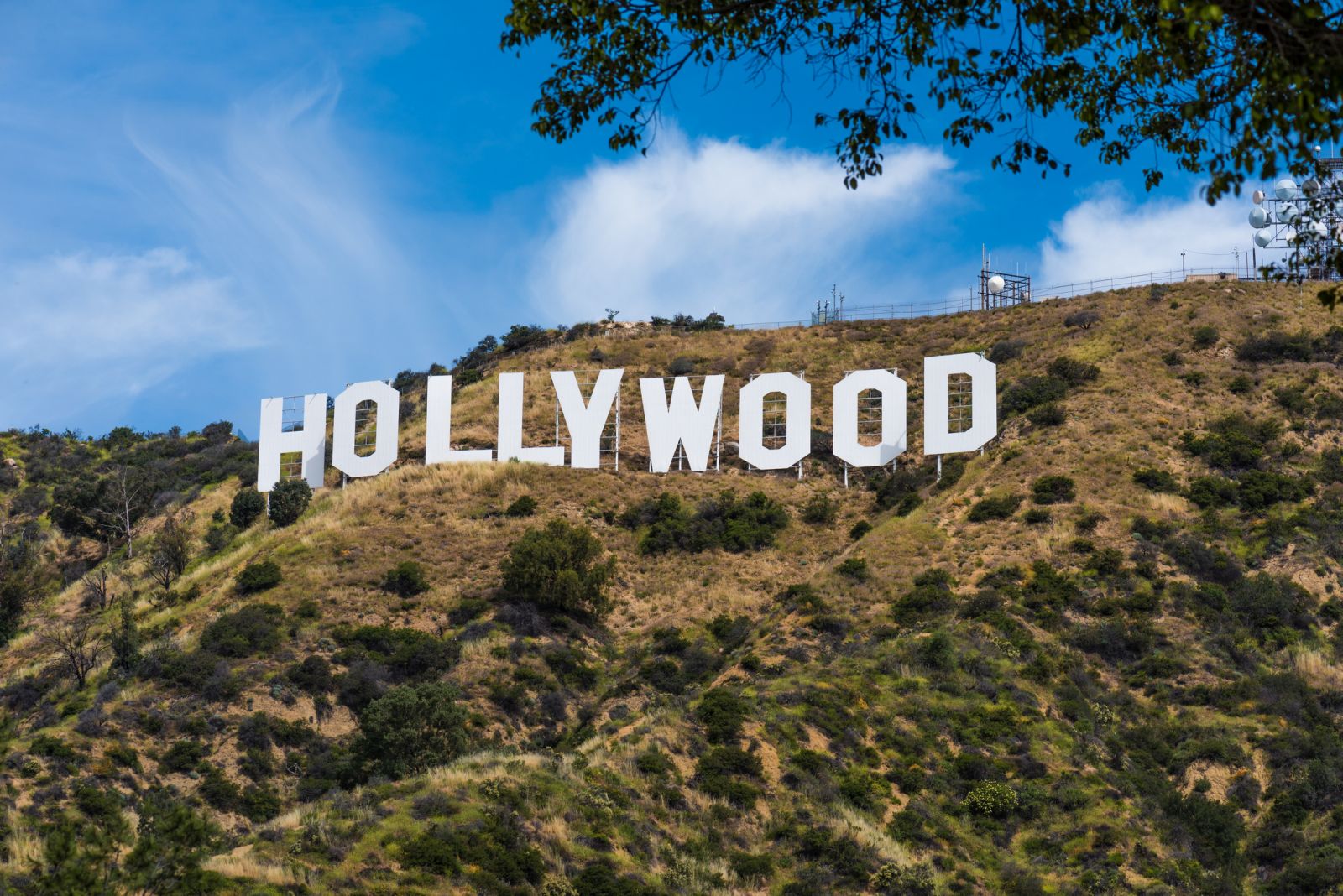
“Make America Great Again” and the Cinema of Supremacy
Long before the political slogan “Make America Great Again” became a rallying cry, Hollywood was already selling a version of that idea on screens across the world. Films featuring resolute protagonists defending freedom against overwhelming threats — often symbolised by foreign villains or faceless enemies — planted the narrative that American strength equals global stability. This cinematic messaging contributed to the perception that American values, culture and power are the benchmark of global leadership.
Welcome to the Melting Pot — But Who Gets the Credit?
America’s immigration policies have also played a subtle yet profound role in reinforcing this cultural supremacy. For decades, the United States has attracted artists, performers and creators from across the globe, many of whom found fame on Hollywood’s stages. Charlize Theron, born in South Africa, rose to become one of Hollywood’s most respected actresses and a symbol of global cinematic influence. Salma Hayek, originally from Mexico, became the first Mexican actress nominated for an Academy Award for Best Actress. Winston Duke, born in Tobago, has become a leading face in blockbuster franchises such as Black Panther.
Yet, while these talents shine under the Hollywood banner, their countries of origin receive little of the global recognition that accompanies their success. America becomes the stage where brilliance is validated and rewarded, reinforcing the idea that global cultural supremacy resides in the United States.
More Than Movies: Athletes and Musicians as Cultural Ambassadors
Cinema is only one dimension of America’s cultural power. Icons such as Muhammad Ali and Michael Jackson extended U.S. influence through sport and music.
Both Muhammad Ali and Michael Jackson were born to American parents, with ancestral roots tracing back to African-American slavery. As the world celebrated them as symbols of American excellence, the deeper histories of oppression that shaped their communities remained largely unacknowledged in the global narrative.
Their immense influence led millions to associate talent, success and modernity with America, strengthening U.S. soft power far beyond its political borders.
Hollywood’s Role in Shaping Perceptions of the “Other”
While Hollywood sold America’s greatness, it also shaped perceptions of foreign cultures, often in damaging ways. Scholars such as Jack Shaheen documented how mainstream American films portrayed Arabs and Muslims negatively in hundreds of productions, reinforcing stereotypes that linked them to terrorism or danger. Shaheen’s research found that out of more than 1,000 Hollywood films featuring Arab or Muslim characters, only a small fraction depicted them positively, while the vast majority reinforced harmful tropes.
These cinematic patterns did more than entertain; they helped legitimise real-world policies and military interventions. Following the events of September 11, 2001, films such as American Sniper glorified U.S. military action while glossing over complex political realities. Critics argue that such portrayals deepened Islamophobia and helped rationalise the so-called “War on Terror.”
The power to define a foreign culture as “terrorist” or “barbaric” on screen had tangible consequences. Audiences internalised fear and suspicion, while policymakers found broad public support for military campaigns in Afghanistan, Iraq and beyond.
Conclusion: Cinema as Cultural Conquest
America’s supremacy in the global imagination was built as much on stories and screens as it was on ships and soldiers. Hollywood did not merely export films; it exported a worldview in which American values, power and identity occupied centre stage.
Action heroes became archetypes. Blockbusters set standards of excellence. Music and sport crossed borders and turned “American” into a global brand synonymous with success. Even when foreign talent brought new influence, its achievements were often absorbed into the narrative of American cultural dominance.
The result is a perception of American supremacy so deeply ingrained that it frequently outshines the country’s actual geopolitical reach — and it all began with reels of celluloid and the dreams they projected.
About the Writer
Evan Sande Ndahura is a Ugandan political analyst, cultural critic and poet whose work explores the intersections of power, media and identity. He has published widely on how cultural narratives shape political realities in Africa and beyond. His essays and commentary have appeared in major newspapers and digital platforms, while his poetry — noted for its strong political consciousness and social critique — has been featured in international literary collections. Through both prose and verse, Ndahura examines how global systems of power influence African societies, youth aspirations and post-colonial identity.
Torch Media Africa



