Written By | Libyan News Agency
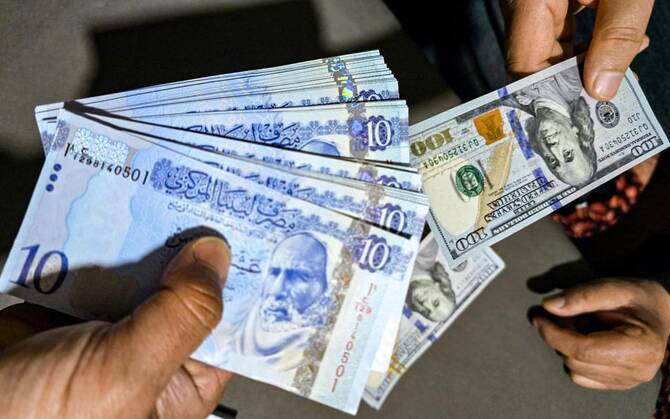
Libya’s debt burden now nearly matches the size of its economy
TRIPOLI
Libya’s public debt stood at nearly 50 billion U.S. dollars in 2024, according to the latest annual report by the Libyan Audit Bureau, excerpts of which were published on Wednesday by the state-run Libyan News Agency.
The report shows that total public debt reached 270 billion Libyan dinars (about $49.8 billion). Of this amount, 84 billion dinars are owed by the Tripoli-based Government of National Unity (GNU), while 186 billion dinars are attributed to the eastern-based administration appointed by the House of Representatives.
The Audit Bureau noted that Libya’s debt levels have remained largely unchanged since 2020, despite ongoing political and economic challenges.
Libya’s debt burden now nearly matches the size of its economy. World Bank data estimate the country’s gross domestic product (GDP) at $46.6 billion in 2024.
Libya has been gripped by political instability since the 2011 NATO-backed uprising that ousted longtime leader Muammar Gaddafi. The country remains divided between the GNU, led by Prime Minister Abdul Hamid Dbeibah in the west, and a rival eastern administration headed by Osama Hammad and backed by the House of Representatives.
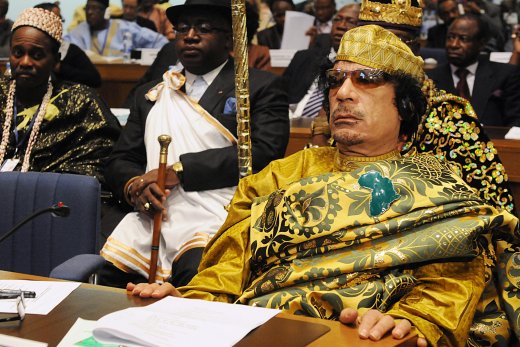
Libya’s financial position under Gaddafi
During the rule of Muammar Gaddafi, Libya maintained virtually no external debt and held substantial foreign currency reserves. By the end of his four-decade rule, the country’s foreign assets were estimated at more than $150 billion, while external debt was considered negligible.
This financial position was largely driven by Libya’s oil wealth and economic policies at the time. The state nationalized the oil industry and relied heavily on petroleum revenues to fund social programs and infrastructure, limiting dependence on foreign borrowing.
The Gaddafi government also pursued policies of economic self-reliance, at times distancing itself from institutions such as the International Monetary Fund and the World Bank. A significant portion of oil revenues was invested in foreign banks and assets worldwide. Many of these assets were frozen following international sanctions imposed during the 2011 conflict.
Although Libya carried little to no foreign debt, the government did rely on domestic borrowing and extended billions of dollars in loans to other countries as part of its foreign policy strategy.
Torch Media Africa



