Written By | Fashion Experts
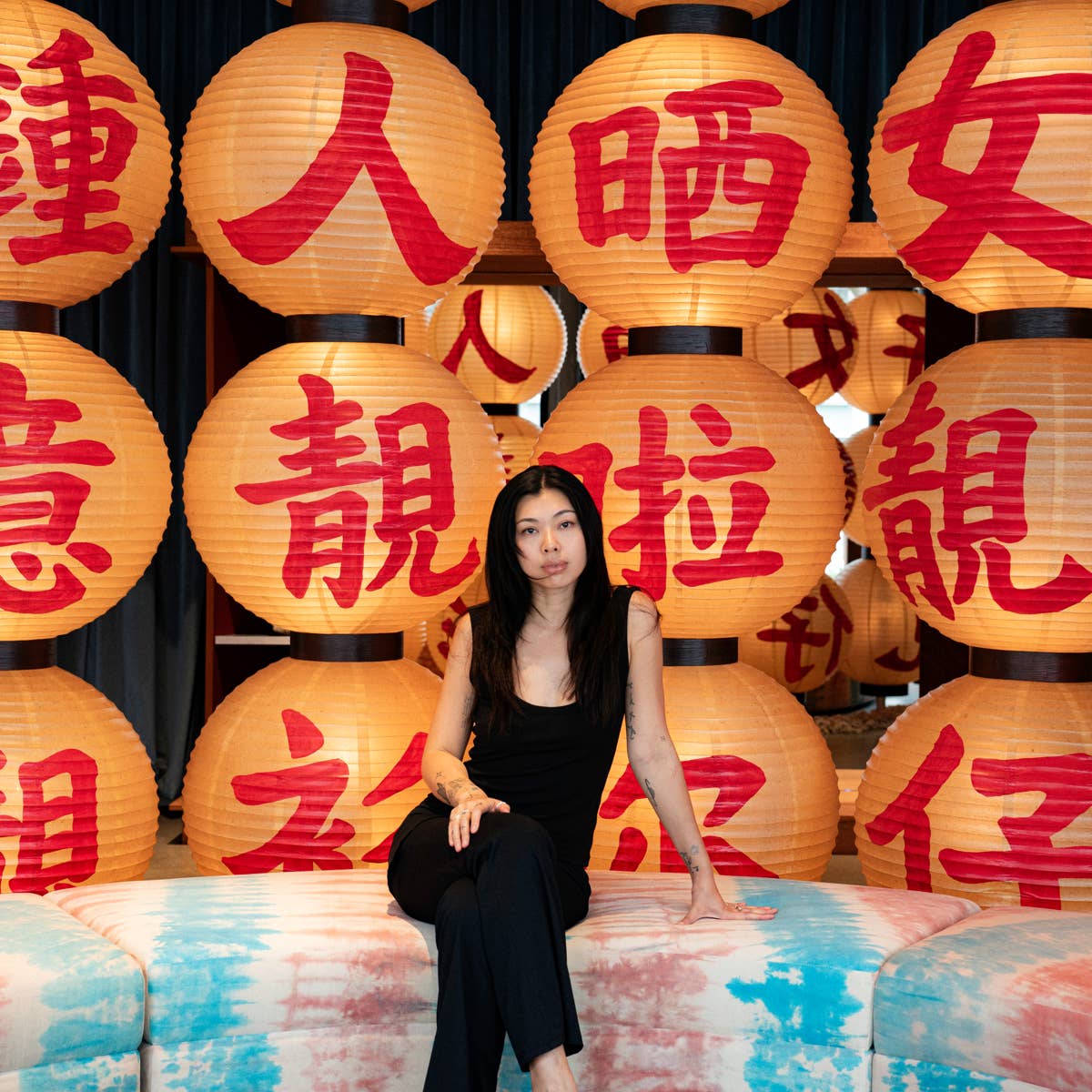
Hong Kong-born founder Kayla Wong just opened her biggest store yet in the Arts District — and used the moment to launch a bold Pride collaboration with queer Hong Kong design duo PONDER.ER.
LOS ANGELES
In a city where flagship openings are often measured in square footage and celebrity guest lists, LANG's new home at ROW DTLA is making its case a different way — through story, representation, and a stubborn refusal to treat "Asian fashion" as a single, flattened category. The concept store, founded by Hong Kong native Kayla Wong, opened its doors on July 5 in Downtown Los Angeles' historic Arts District, marking the brand's most ambitious chapter yet.
The move comes two years after Wong first introduced Angelenos to LANG through a scrappier setup in Chinatown Central Plaza. That original location built a devoted following for its curated mix of clothing, jewelry, home goods, and art from AAPI-founded labels — many of them small, independent, and rarely stocked anywhere else in the United States. The new 2,000-square-foot space at ROW DTLA, custom-designed for the brand, gives Wong dramatically more room to expand that mission, and she wasted no time using it.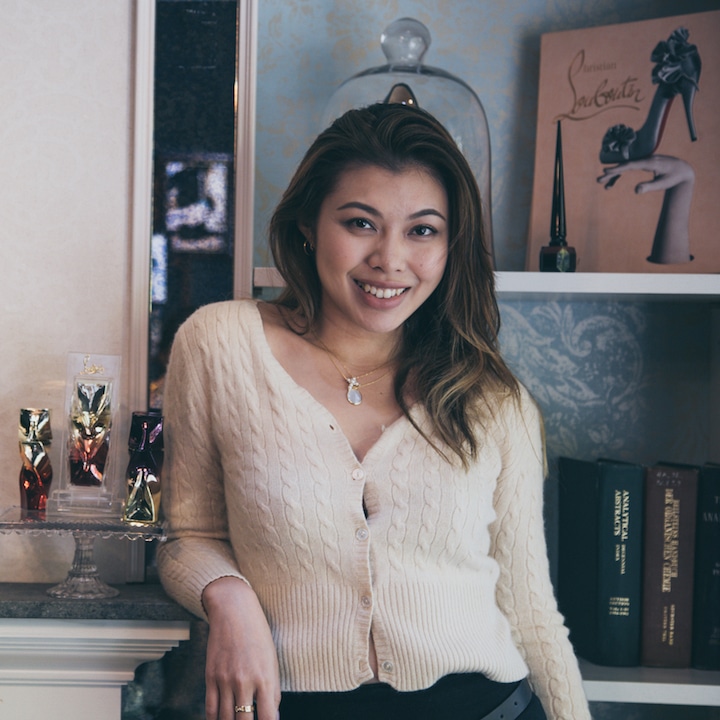
Kayla Wong
A Homecoming Built on a Gap in the Market
Wong's path to retail began with a simple observation: Los Angeles, for all its fashion influence, had no dedicated home for the kind of boundary-pushing Asian design she'd grown up around in Hong Kong.
"I felt like there was a gap in the market here in Los Angeles and I wanted to bring Hong Kong talent to the city and to North America," Wong has said of LANG's founding mission — a thesis that has only sharpened as the store has grown from pop-up to permanent Chinatown storefront to full-scale flagship.
For Wong, LANG was never meant to be a showroom for a single aesthetic. It's a curatorial project built on the belief that fashion can carry cultural weight without sacrificing craft or wearability. "Fashion is all about self-expression without the need for words," she has said. "It's something we decide to put on every day depending on our mood, and that in itself tells a story."
That philosophy extends to how Wong talks about beauty itself, drawing on language and cultural nuance that don't always translate directly into an American retail context. "When we think about the word beautiful, it's so easy to think superficially," she explained. "But in Cantonese, when you're describing something or a person in that sense, it's because you see that depth of beauty in them. That's what we are trying to do when we tell our stories, share brands and talk to people. It's not surface level, it's discovering designers and hearing their stories." 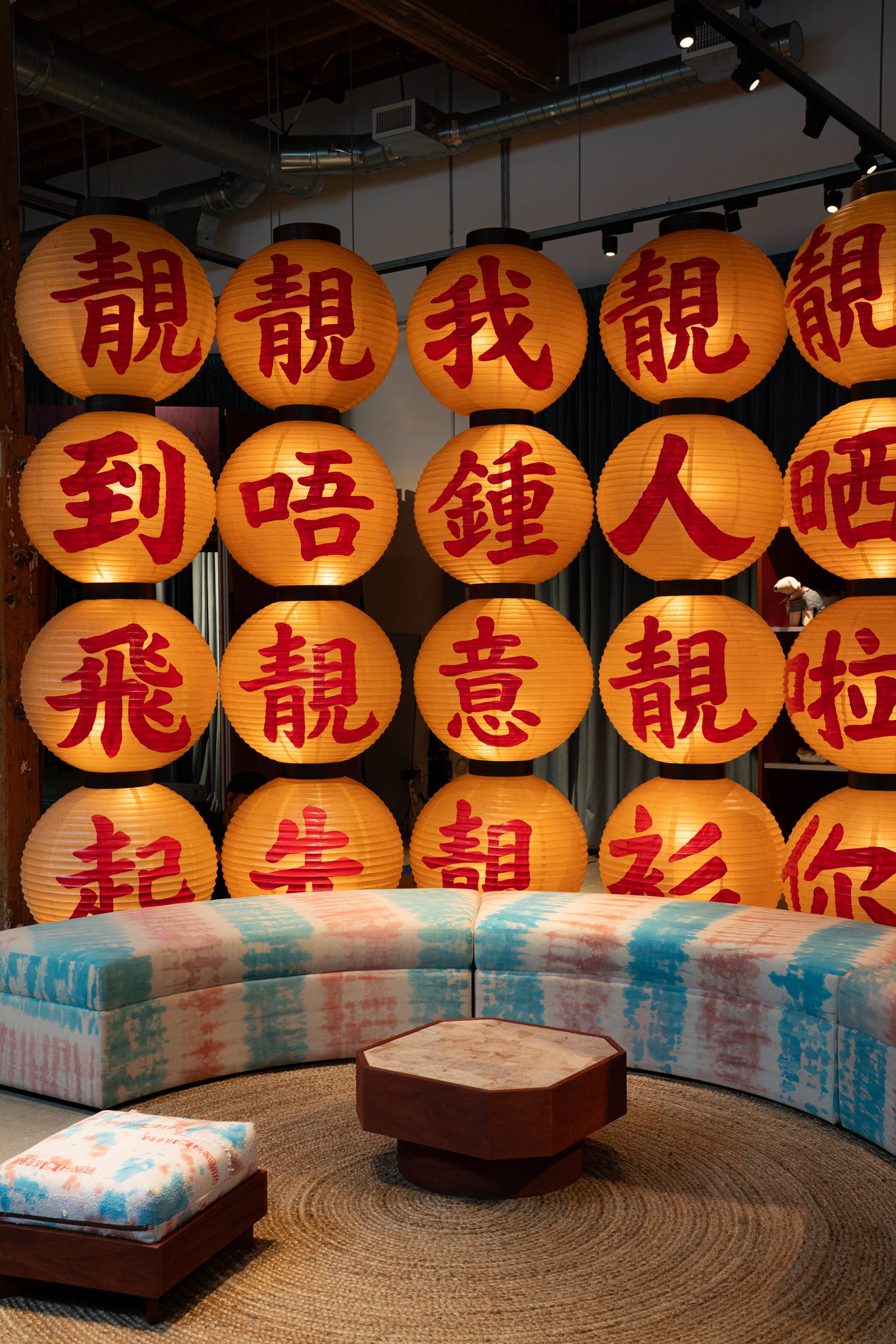
The PONDER.ER Collaboration
LANG's grand opening weekend doubled as the launch pad for a limited-edition collaboration with PONDER.ER, a Hong Kong-based design duo founded by Alex Po and Derek Cheng. The queer-founded label brought its Pride capsule collection, "Straight Acting," to the new flagship — a title that plays deliberately with tension and irony, using fashion as a vehicle for commentary on identity, performance, and expectation.
The pairing is a fitting one for a store built on giving underrepresented Asian designers a platform they might not otherwise find in the U.S. market. PONDER.ER's inclusion in LANG's opening lineup signals the kind of design partnerships Wong intends to prioritize going forward: politically aware, aesthetically distinct, and rooted in communities that mainstream retail has historically underserved.
Why Representation Is the Real Product
Ask Wong what she's actually selling, and the answer goes well beyond garments. "There can be so much more representation for Asian designers in the fashion industry," she has said. "So I wanted to create this space for designers to showcase what they have to offer."
That mission has taken on added significance as Los Angeles' Arts District continues to solidify itself as a hub for independent, design-forward retail — an alternative to the more corporate, mall-anchored shopping experiences that dominate much of Southern California. By locating LANG's new flagship inside ROW DTLA, a complex known for mixing independent shops, restaurants, and creative office space, Wong is positioning the brand alongside a broader wave of retailers betting that shoppers want discovery and narrative, not just merchandise.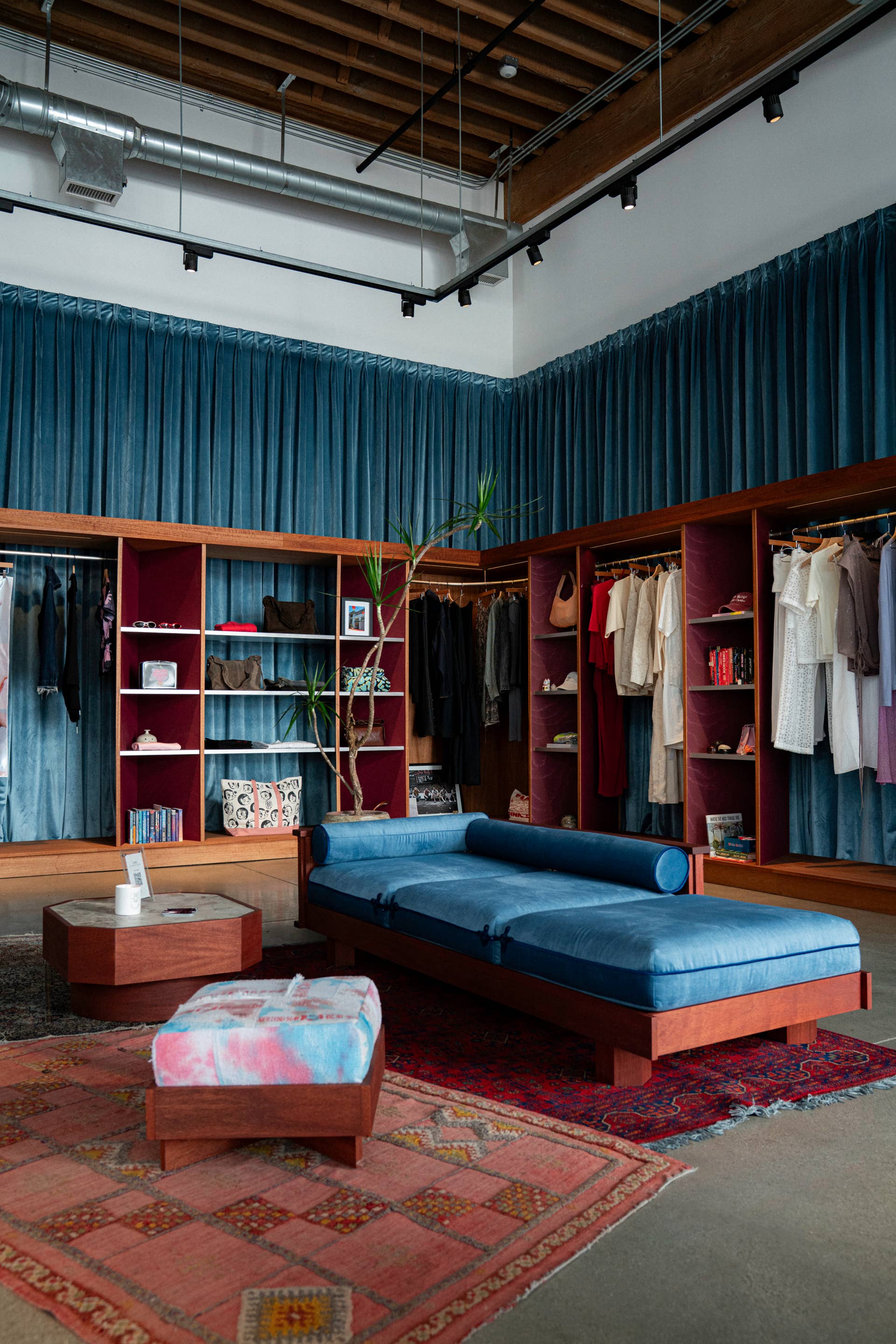
What This Means for Shoppers
For customers, LANG's expansion means significantly more access to labels that rarely get shelf space in the U.S. — from emerging Hong Kong streetwear to home goods and jewelry designers working in small, independent studios across Asia. The store functions as much as a cultural bridge as a retail destination, offering an entry point into design communities that most American shoppers would otherwise have to travel, or scroll deep into niche corners of the internet, to find.
It also arrives at a moment when consumers, particularly younger shoppers, are increasingly drawn to brands with a clear point of view and a traceable story behind the product. LANG's model — small-batch, story-driven, community-rooted — offers a counterpoint to algorithm-driven fast fashion, betting that shoppers will pay a premium for authenticity and provenance.
The Bottom Line
LANG's new Arts District flagship is more than a bigger store — it's a statement about what representation in fashion retail can look like when it's built from the ground up by someone with a personal stake in the outcome. With the PONDER.ER collaboration as its opening statement, Kayla Wong has signaled that LANG's next chapter will be just as unapologetically specific, and just as determined to put Asian designers — queer, independent, and otherwise overlooked — at the center of the story.



