Written By | Staff Writer
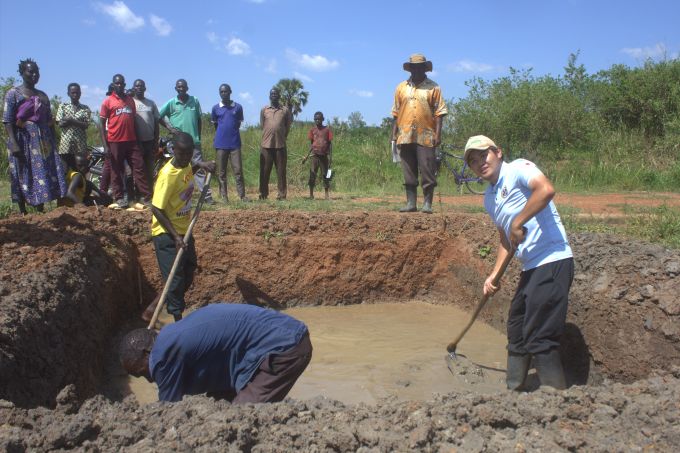
A 1,500-member cooperative reports 'promising results' from basic practices as input costs bite
Agriculture Feature
On a rice scheme in Lira district, a Japanese volunteer is teaching veteran farmers something that sounds almost too simple to matter: plant in lines, add compost, and write everything down. The cooperative he works with has more than 1,500 members. Some of its farmers have grown rice for 26 to 35 years. Yet they say the new approach has shown "promising results" in its first season.
The story, reported by The Cooperator News on 1 November 2026, is small in scale and modest in its claims. It deserves attention anyway, because it touches the most pressing question facing Uganda's rice growers: how to raise yields and cut costs when fertiliser and pesticide prices are climbing, and when a large public irrigation investment has had a patchy record.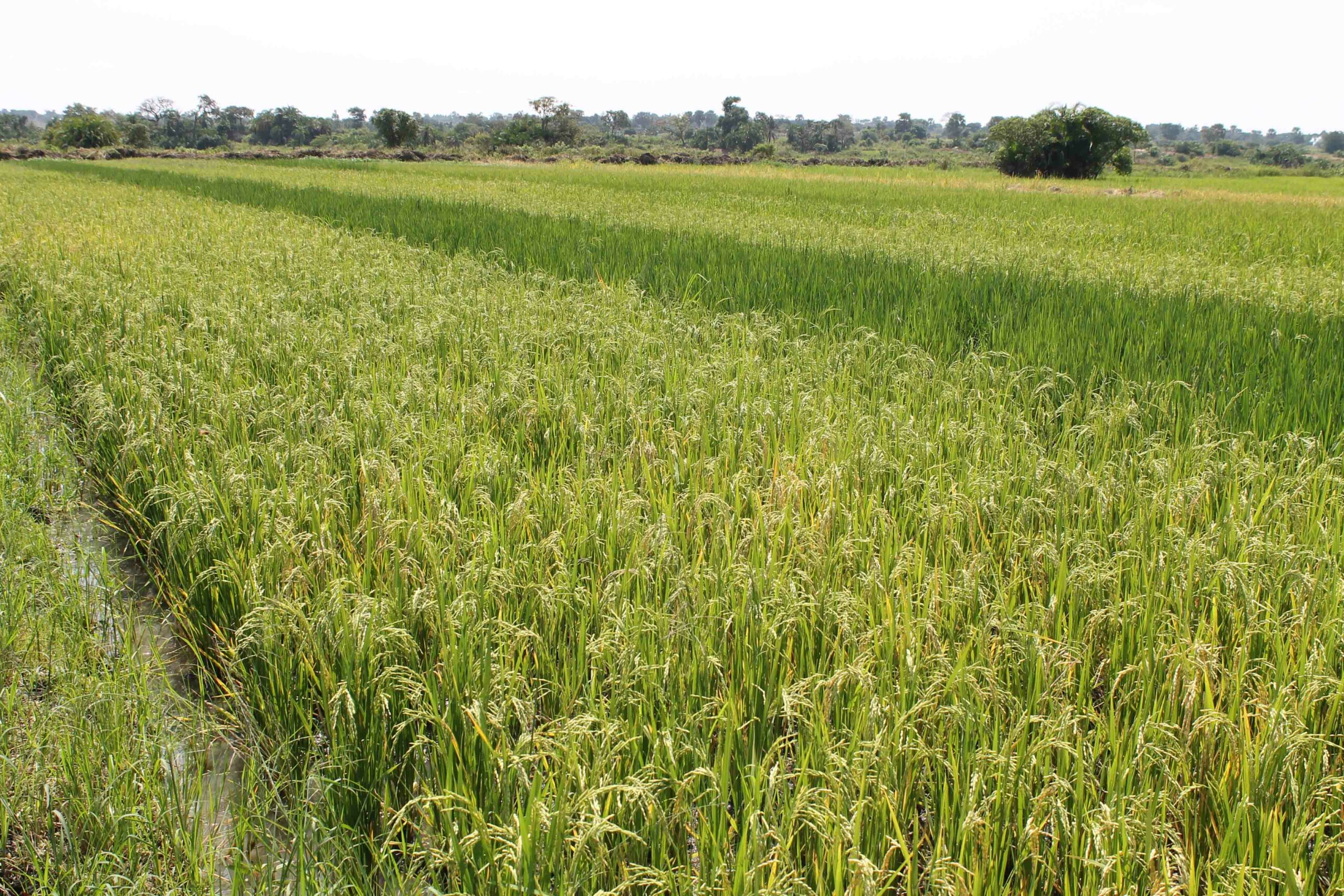
The cooperative and the scheme
The Itek-Okile Rice Growers Multipurpose Cooperative Society Limited operates in Itek and Bar sub-counties of Lira district, in the Lango sub-region. It is tied to the Itek-Okile rice scheme, an irrigation project that the Lira District Department of Agriculture says covers about 600 to 800 hectares and supports more than 2,500 smallholder farmers.
The scheme has a long history. Monitor reporting from January 2021 said the Shs47 billion project, described there as the Olweny Irrigation Scheme, began in the early 1940s but stalled for decades for lack of funding. It was formally handed over to Lira on 12 January 2021, with about 600 hectares in the western part of the lower Olweny swamp. At the handover the cooperative reported 70,000kg of rice in the first season, and engineers warned that six remaining dams still needed rehabilitation.
The cooperative previously managed the scheme, but management and infrastructure problems led to administration passing to the district agriculture department. That background matters. The new training is not starting from a clean slate but from a scheme that has already learned how hard it is to keep irrigation infrastructure productive.
What the volunteer is changing
Mikio Kasahara, a Japan Overseas Cooperation Volunteer (JOCV) specialising in agriculture, arrived in Uganda in February 2026. He is deployed by the Embassy of Japan. Rather than introducing new equipment, he has concentrated on practices.
First, he has run field trials comparing rice varieties to find those best suited to local conditions, recording growth, pests, diseases, water management and yields. Second, he has introduced compost manure, which many farmers had not previously applied. Third, he has promoted line planting and transplanting in place of traditional broadcasting, where seed is scattered by hand. Fourth, he has encouraged bunds and waterways to control the flow of water between plots. He is also testing pest- and disease-resistant varieties to reduce reliance on chemicals.
There are two smaller initiatives. One is growing tomatoes in unused spaces around rice fields as a supplementary income. The other is a proposed simple manual thresher with a wooden frame, to replace beating harvested rice with sticks, a step that damages grain and wastes labour.
Farmers quoted in the report include Spearson Ocen Muno, a rice grower for 26 years, and Muzee John Odero, who has grown rice for nearly 35 years. Their experience is a reminder that the technical gap is not ignorance of rice. It is the cumulative effect of small, inexpensive practices that were never standardised or recorded.
Why the details matter
Line planting makes weeding, fertiliser placement and water control easier, and it allows farmers to compare plots. Bunds and waterways are basic water management, and water management was among the challenges the report identified, alongside weeds, pests and diseases. Record-keeping turns a farm into a testing ground: if a cooperative can see which variety does well under which conditions, it can negotiate seed purchases and advice with more confidence.
The compost element speaks directly to the cost squeeze. The report said farmers were grappling with rising input costs. Other recent coverage has traced fertiliser price pressure to global shocks and a weak shilling, with farmers in other regions reporting sharp rises in seed and fertiliser prices. A practice that builds soil fertility from locally available organic matter will not replace mineral fertiliser everywhere, but it can reduce how much a farmer must buy.
What is not yet known
It is important to be clear about the limits of the evidence. The report gives no yield figures. It says only that the first season showed promising results. Without numbers, from bags per acre to costs per hectare, it is impossible to say how large the gain is or whether it will last. Trials by one volunteer over a single season are a start, not proof.
There are also structural limits. Training in practices does not repair dams, canals or gates, and the history of the scheme shows infrastructure and management failures have hurt farmers as much as agronomy. Nor does it address markets: rice growers need dependable millers and fair prices. The report does not describe any new buyer arrangement.
The national picture
Rice has been a target crop for Ugandan policymakers because imports and cross-border supplies remain large. Earlier reporting from the Uganda Revenue Authority described seizures of smuggled Kenyan rice, with traders buying at about Shs75,000 per 25kg bag and reselling above Shs100,000. The same reporting noted that local rice often lacks the aroma and grain quality urban consumers prefer, and that NARO and the Japan International Cooperation Agency, under the ECO-PRiDe project, were testing new aromatic varieties at six locations, including Doho in Butaleja.
Japan's role in that picture is long-standing. The Embassy of Japan's Masanobu Yonemitsu, Head of Economic Cooperation, noted that 37 volunteers are currently in Uganda and that 846 have been sent over the past 25 years. The Lira effort sits within that tradition: low-cost, practice-focused help delivered through cooperatives rather than large capital projects.
What it means for farmers
For rice farmers in Lango and beyond, the lesson is that gains can come from disciplined basics. Cooperatives that keep records, run side-by-side variety trials and share water-management duties can make better decisions than farmers acting alone. District officials, who now run the scheme, have an interest in replicating the model.
The next questions are clear. What did yields actually do in the first season? Will the cooperative publish them? Can the practices continue after the volunteer's posting ends? And can the scheme's infrastructure support the extra output? If the answers are favourable, a quiet training programme in Lira could offer a template for other irrigation schemes where the concrete is in place but the farming has yet to catch up.



