Written By | Staff Writer
Researchers and the agriculture ministry have agreed stricter nursery and seed-production standards, a quiet but consequential move for a crop that takes four years to pay back.
Agriculture Daily
Oil palm is a crop that punishes mistakes slowly. A farmer who plants a weak, diseased or mislabelled seedling will not know it for roughly four years, which is how long the palm takes to begin fruiting. By then the land has been cleared, the labour spent and, in many cases, the loan drawn down. That long delay is the reason a technical meeting at the National Crops Resources Research Institute (NaCRRI) in Wakiso district, reported by The Cooperator News on 29 October 2026, deserves more attention than its dry language suggests.
According to the report by Caesar Mukasa, researchers from NaCRRI and officials of the Ministry of Agriculture, Animal Industry and Fisheries (MAAIF) agreed to strengthen the seed system for oil palm, monitor nurseries more closely and tighten inspection through the ministry's Department of Crop Inspection and Certification (DCIC). The stated aims are to reduce reliance on imported planting material and to give farmers disease-free seedlings suited to local conditions.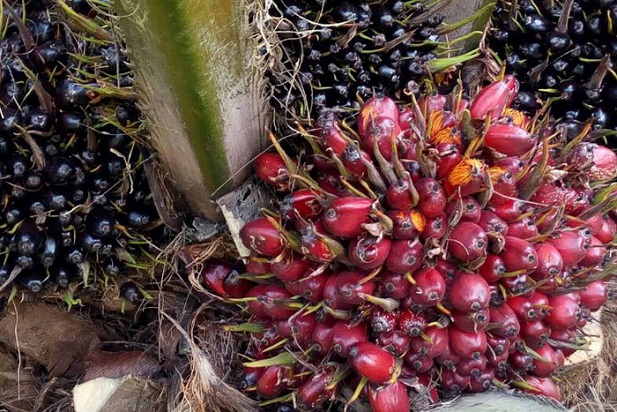
What was agreed
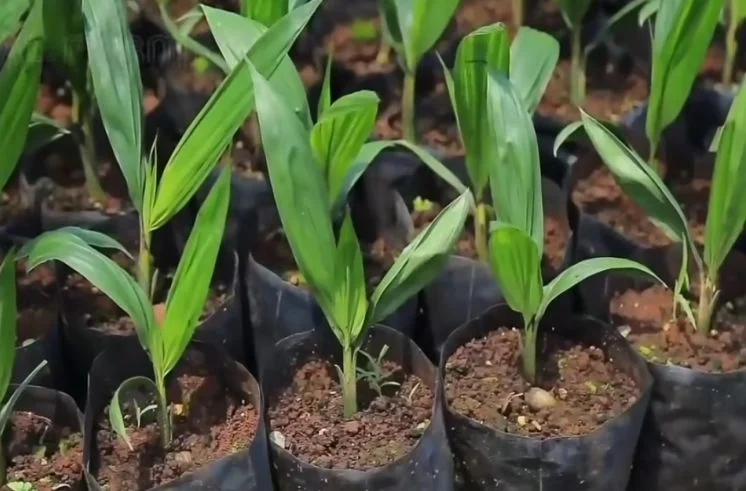
The package has several parts. For imported Tenera hybrid seed, the standard crop for commercial oil palm, the agreed approach requires verification of disease resistance, import permits, compliance with quarantine rules and special handling to limit seed mortality. Nurseries are to follow written rules on planting technique, controlled irrigation, nutrients, pest and disease management, transplanting into larger polybags at set growth stages, spacing and routine monitoring.
The most concrete innovation is a three-tier seedling inspection and culling system introduced by NaCRRI. Under it, weak, stunted, deformed or diseased seedlings are removed at successive checks, so that only vigorous plants leave the nursery. Culling is standard practice in mature palm industries, because a nursery that sells every germinated seed maximises its own revenue while passing the risk to the farmer. Putting culling into a formal inspection regime shifts that incentive.
On the research side, a breeding and germplasm evaluation programme aims to develop high-yielding varieties suited to Uganda's agro-ecological conditions. The work will include optimising breeding crosses, tracking flowering patterns and assessing fruit maturity after pollination. Dr Gabriel Ddamulira, the Oil Palm Research Programme Lead at NaCRRI, described the effort as critical for securing farmer livelihoods and expanding domestic production, and said the aim is to ensure Ugandan farmers receive high-quality, high-yielding planting materials.
Why seed is the weak link
Uganda's oil palm story has so far been told largely through Kalangala, where the industry is anchored. The Cooperator reports that Kalangala has a nucleus estate of about 6,500 hectares and roughly 5,000 out-growers, with total oil palm area exceeding 11,000 hectares, mostly on Bugala Island. The crop is also grown in Buvuma. Out-growers who sell fresh fruit bunches are reported to earn at least Shs870 per kilogramme, and individual bunches can weigh as much as 90 kilogrammes. A palm can be harvested about every 10 days and remains productive for up to 30 years.
Those numbers explain the policy interest. Few Ugandan crops offer a harvest every ten days over three decades. But the same arithmetic raises the cost of a bad start: a palm that underperforms will do so for its entire life. Seed quality therefore sets a ceiling on everything downstream, including the incomes of out-growers and the throughput of the mills that depend on them.
The national context makes the stakes larger. Earlier reporting by the Monitor and others in October, including coverage of a Busoga Diocese plan to establish a four-acre oil palm model farm, has put the country's edible-oil import bill at about Shs1.1 trillion and cited IFAD support of around Shs717 billion for the sector. Political leaders from Busoga have toured Kalangala and Buvuma to study the crop as an alternative to sugarcane. If interest in oil palm spreads beyond the islands, demand for seedlings will rise sharply, and the nurseries that supply them will be under pressure to scale fast. Scaling fast is precisely when quality control tends to slip.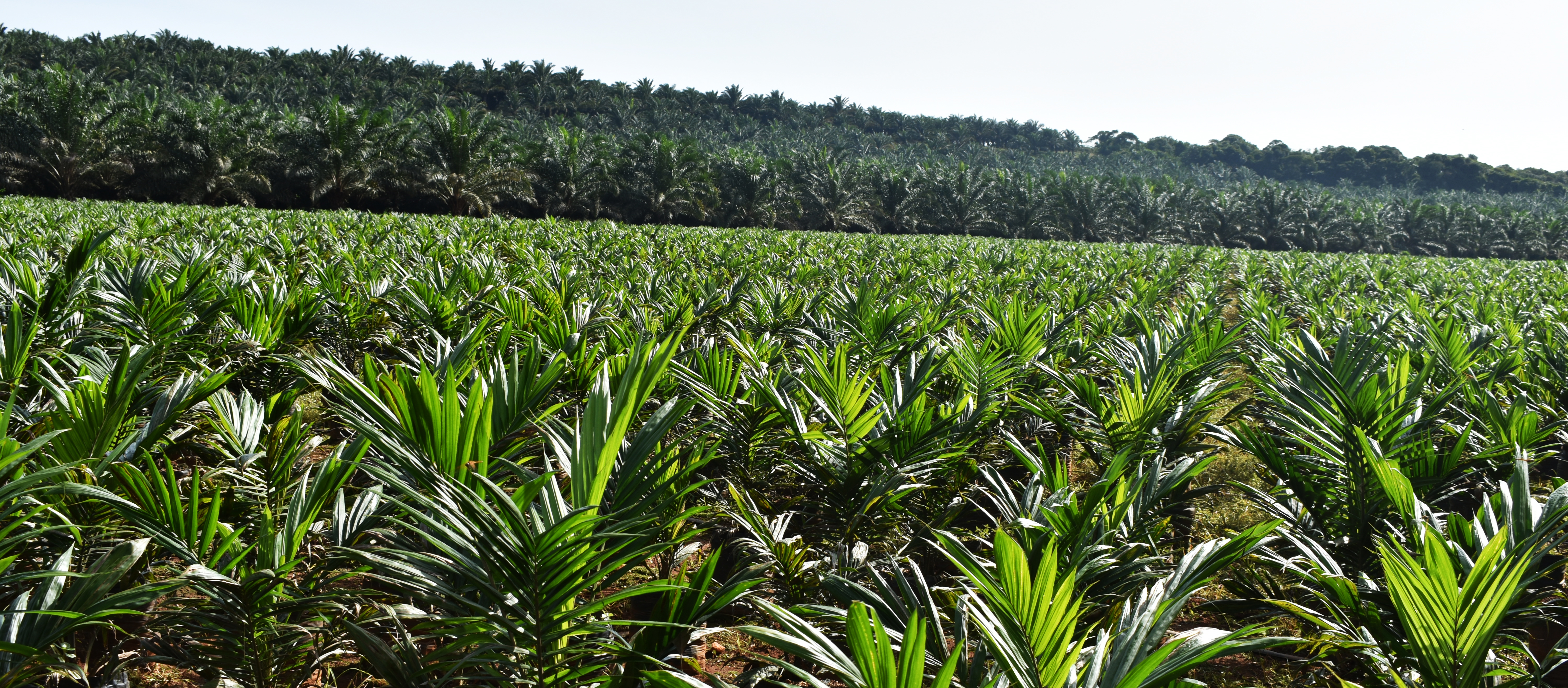
The import dependency
The meeting's emphasis on reducing reliance on imported planting material is notable. Imported hybrid seed carries risks of its own: it must clear quarantine, it can lose viability in transit, and it brings a foreign supply chain into a perennial-crop programme where predictability matters. The report does not say how much seed Uganda currently imports, nor what share of future demand local production is expected to meet, and no timeline was given. Those omissions matter. A standard that restricts imports without a credible local supply could simply raise seedling prices or create shortages.
The reference to permits and special handling for imported Tenera seed suggests that imports will continue for now, but under tighter control. In practice, the test will be whether DCIC has enough inspectors and transport to visit nurseries frequently. Ugandan agricultural regulators have long been stretched. Earlier work by the Economic Policy Research Centre has estimated that a large share of seed on the market, in some crops 30 to 40 per cent, is counterfeit or substandard, and that enforcement capacity is thin. Oil palm's long gestation makes the damage from such failures harder to detect and harder to remedy than in a seasonal crop such as maize.
What it means for farmers
For smallholders, the immediate implication is that seedlings should become more reliable but possibly more expensive and harder to obtain. Nurseries will bear compliance costs, and culling reduces the number of saleable plants per batch. Whether those costs are passed on to farmers, absorbed by subsidies or shared by mills and the cooperative is not addressed in the report.
The Ssese Oil Palm Growers Cooperative Society, formed by Kalangala out-growers in 2018, is named in the report as part of the industry background. Farmers there have separately raised concerns in recent weeks about soil nutrient problems and fertiliser access, as covered in earlier reporting, and agronomists have linked low yields in some plots to potassium deficiency. Good seed is necessary but not sufficient: a certified seedling planted in depleted soil without adequate fertiliser will still underperform. Farmers and extension workers will want seed reform and input support treated as one package rather than separate files.
For prospective growers outside the islands, the lesson is practical. Buy only from nurseries that can show inspection records, ask for proof of origin for hybrid seed and expect to wait four years before the first harvest. Anyone planning to borrow against the expected crop should build that gestation period into the loan terms; interest accumulating at the lending rates now prevailing in the economy can erode returns before the first bunch is cut.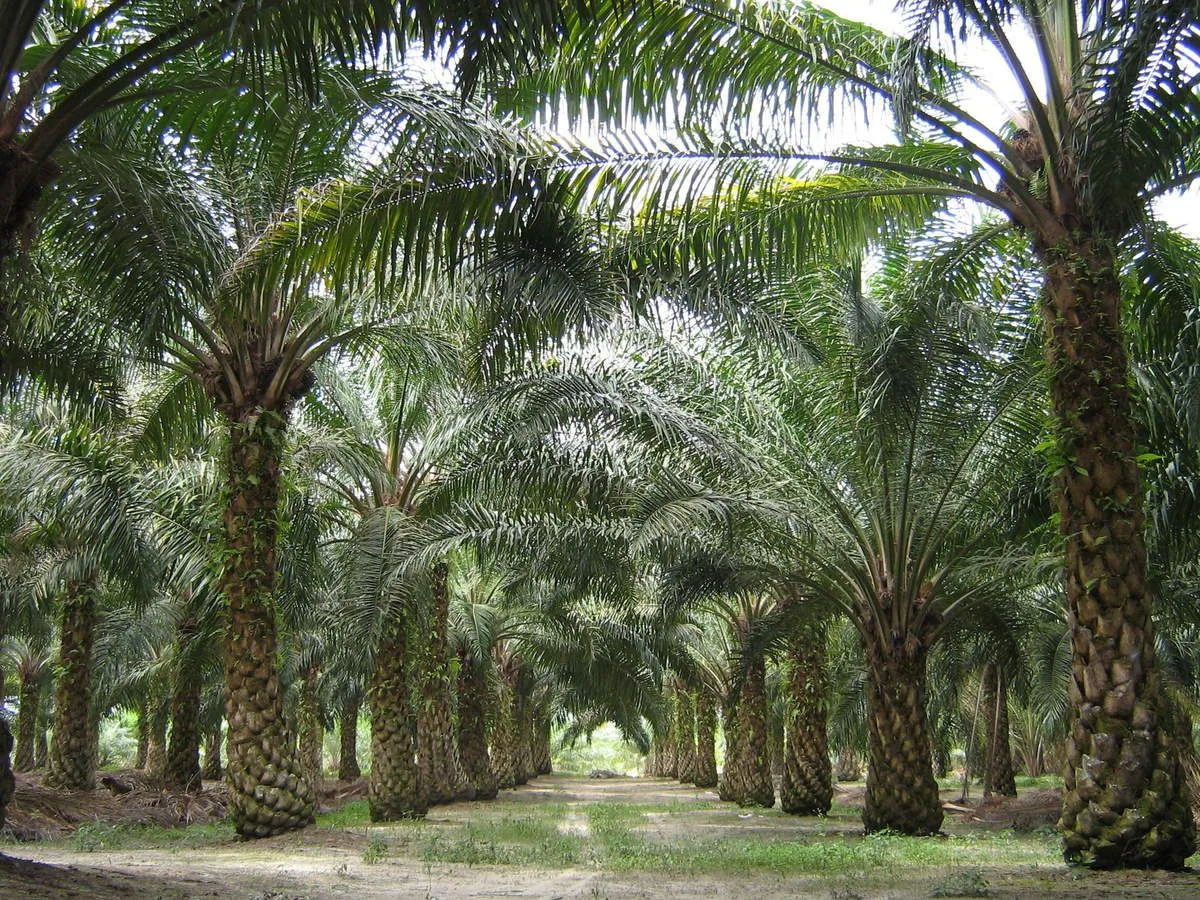
The wider economy
Domestic edible-oil production is one of the clearer import-substitution opportunities in Ugandan agriculture. A tighter seed system will not deliver results quickly: any gains from today's decision will be visible in new plantings from about 2027 and in harvests from around 2031 at the earliest. That timeline sits awkwardly with political cycles and annual budgets, which is why the work is easy to neglect and important to protect.
It also illustrates a broader point about the government's agro-industrialisation agenda. Much attention goes to factories, financing schemes and farm-gate prices. Far less goes to the unglamorous upstream layer of certified planting material, where the long-term productivity of a value chain is decided. A country that wants to process more of what it grows needs raw material that is consistent in quality, and consistency begins in the nursery.
What to watch
Several questions remain open. How many nurseries are currently operating, and how many will meet the new standard? Will DCIC publish inspection results or a register of approved suppliers that farmers can check? What is the price of a certified seedling, and will any public support lower it? And when will the breeding programme produce varieties that Uganda can call its own? The report offers principles and a framework, not yet numbers or deadlines. The value of the agreement will be measured in what the nurseries look like a year from now, and in what farmers who plant in 2027 find in their gardens in 2031.



