TECH
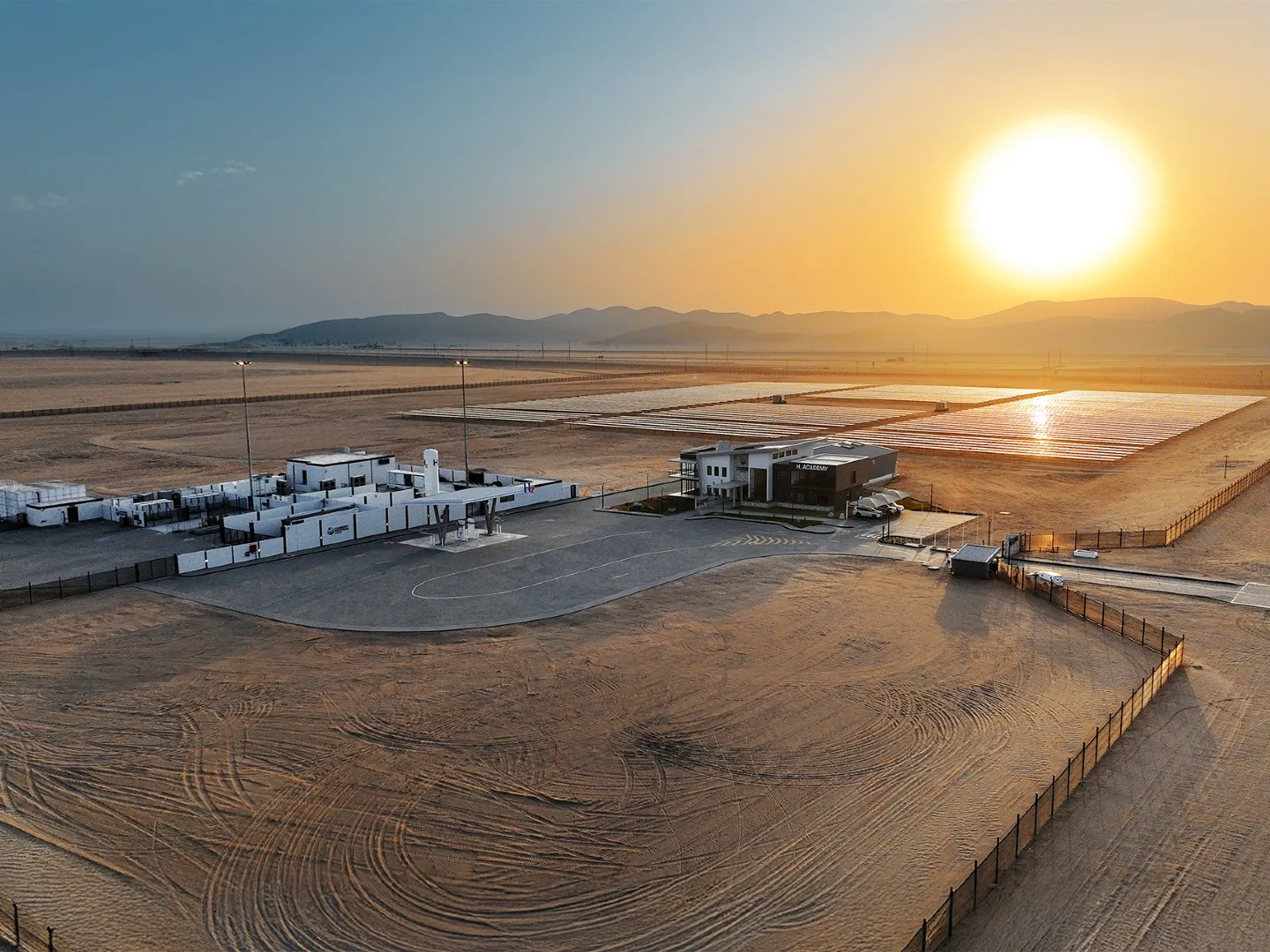
Along Namibia's remote southern coastline, inside a roughly 4,000-square-kilometer concession carved out of the Tsau Khaeb National Park near the port town of Lüderitz, a consortium called Hyphen Hydrogen Energy is building what is described as Sub-Saharan Africa's largest green hydrogen project — a venture the Namibian government has approved to proceed under a pioneering $10 billion agreement. It is the flagship of a broader wave: eight large-scale green hydrogen projects are now in development across the country, representing an estimated N$390 billion (about $24 billion) in combined investment potential, according to figures presented at the second Namibia-EU Business Forum in May 2026. Namibia, a country of just three million people with almost no prior heavy industry, is positioning itself as a frontier test case for whether renewable-hydrogen technology can be exported at industrial scale from the Global South rather than only imported into it.
Inside the Hyphen Project
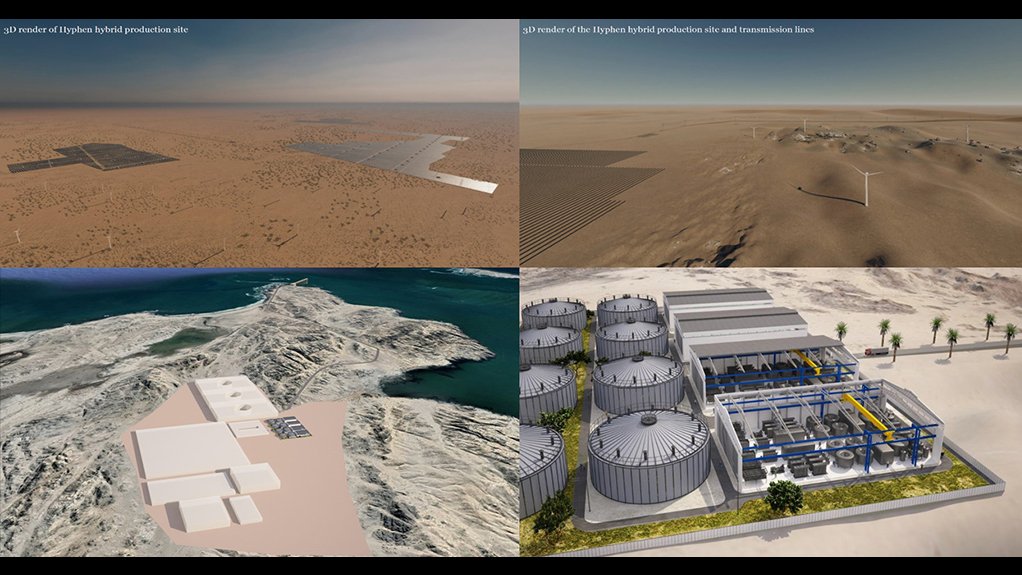
Hyphen's first phase involves 3.75 gigawatts of combined solar and wind generation feeding 1.5 gigawatts of electrolyser capacity, alongside battery energy storage, desalination facilities to supply the water needed for electrolysis, and new pipelines, transmission lines, and upgraded port infrastructure at Lüderitz. Once fully operational, the project is expected to produce roughly 2 million tonnes of green ammonia annually for export — the hydrogen carrier of choice for long-distance shipping — with an earlier configuration targeting around 300,000 tonnes of green hydrogen equivalent per year. Namibia holds a 24% government stake in the venture, and Hyphen has committed to a 40-year concession structure under which it will pay land rentals, production royalties, concession fees, an environmental tax, and a contribution to a national sovereign wealth fund — a deliberate attempt to ensure that unlike much of the continent's historical extractive investment, this technology-driven project channels a durable revenue stream directly into the Namibian treasury.
The jobs case is central to the government's pitch: construction is projected to generate up to 15,000 jobs, tapering to roughly 3,000 permanent operational positions once the plant is running, with a target that 90% of these roles go to Namibian nationals and 20% specifically to young people entering the workforce. First production from the initial 2-gigawatt phase is targeted for 2026, a milestone that would make Hyphen one of the earliest commercial-scale green hydrogen exporters anywhere in the world.
Not the Only Bet in the Desert
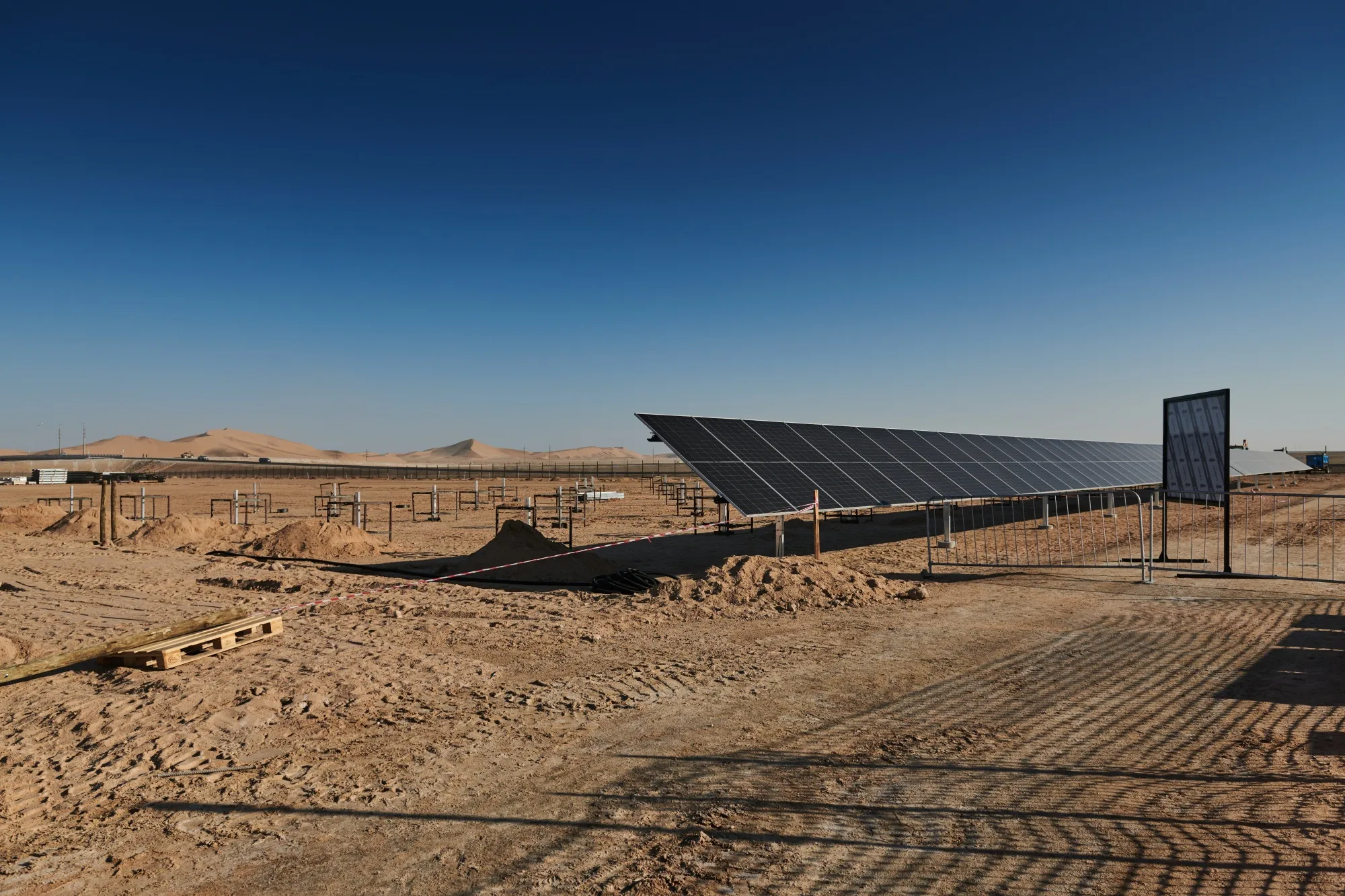
Hyphen is not operating alone. Zhero Molecules, developing a separate green-ammonia project at Walvis Bay, intends to produce 500,000 tonnes of green ammonia annually starting in 2029 and is targeting a final investment decision in 2026. HDF Energy's Renewstable project at Swakopmund is on a faster commissioning timeline than Hyphen and is expected to begin operating in 2026, which would make it Namibia's first commercial green hydrogen plant to actually reach production — even ahead of the larger, more heavily publicized Hyphen venture. Together with several earlier-stage schemes, these projects form the backbone of the roughly $24 billion pipeline cited by government and EU officials this year.
Financing the Build-Out
Multilateral development finance has played a catalytic role in getting these projects off the ground. In December 2025, the African Development Bank's board approved a $10 million loan — sourced from its Sustainable Energy Fund for Africa — to Hyphen to fund front-end engineering design studies covering the solar and wind generation assets, battery storage systems, electrolyser plant, and desalination infrastructure that will underpin the project's first phase. That relatively small catalytic loan is designed to unlock the much larger pool of commercial and concessional capital the project ultimately needs. More broadly, Namibia is working to finalize a Sectoral Transformation Investment Plan that would allow it to draw down up to $250 million in concessional finance for green industrialization; a joint mission of multilateral development banks launched on June 23, 2026 to help finalize that plan, reflecting the scale of institutional coordination required to de-risk a hydrogen industry being built almost from scratch.
Headwinds: The Offtake Problem
The technology and engineering case for Namibian green hydrogen is not in doubt; the commercial case has proven harder. In a setback for the flagship project, German utility RWE withdrew from a non-binding memorandum of understanding under which it had aimed to secure up to 300,000 tonnes of green ammonia annually from Hyphen starting in 2027. RWE cited slower-than-expected development of global hydrogen demand and a broader reassessment of its portfolio — a reminder that Namibia's success depends not only on building world-class renewable-energy and electrolysis infrastructure, but on European and Asian buyers actually following through on the offtake agreements that make the economics work. Industry analysts covering the project have flagged this demand-side uncertainty as the central risk facing Namibia's hydrogen ambitions through the remainder of the decade, even as construction and engineering work continues on the supply side.
Why It Matters Beyond Energy
Namibia's hydrogen push is as much a technology and industrial-policy story as an energy one. It requires importing and localizing an entirely new stack of capabilities — electrolyser manufacturing and maintenance, desalination engineering, grid-scale battery integration, specialized port logistics for ammonia export, and a skilled domestic workforce trained to operate all of it. The government's insistence on local employment targets, an equity stake, and royalty and sovereign-wealth-fund contributions reflects a conscious effort to avoid the enclave-economy pattern seen in some of the continent's mineral sectors, where foreign capital and technology operate largely apart from the domestic economy. Whether Namibia can pull that off — turning a desert coastline with exceptional solar and wind resources into a genuine renewable-technology export industry rather than a single flagship project vulnerable to offtake setbacks — is likely to be one of the more closely watched African industrial-policy experiments of the next five years.
Published By | Tech Wiz