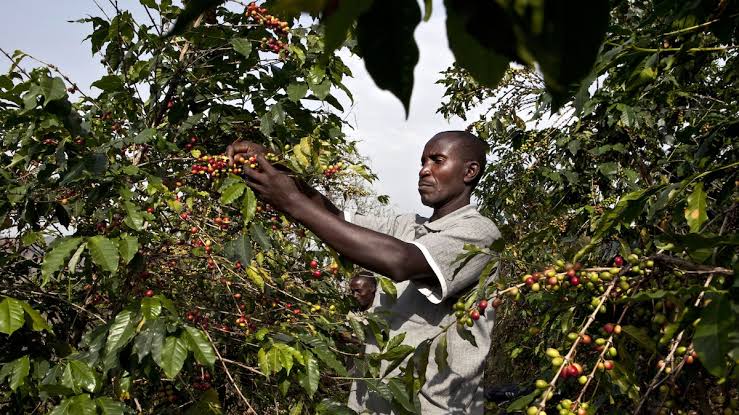
For much of last year, coffee farmers in central and western Uganda had every reason for optimism. The rains that fell through late 2025 and into April 2026 were generous, almost too generous, and thousands of smallholders — many of them newcomers lured into the crop by the promise of steady export earnings — watched their young robusta trees flush with buds preparing to flower. Then the buds began to rot.
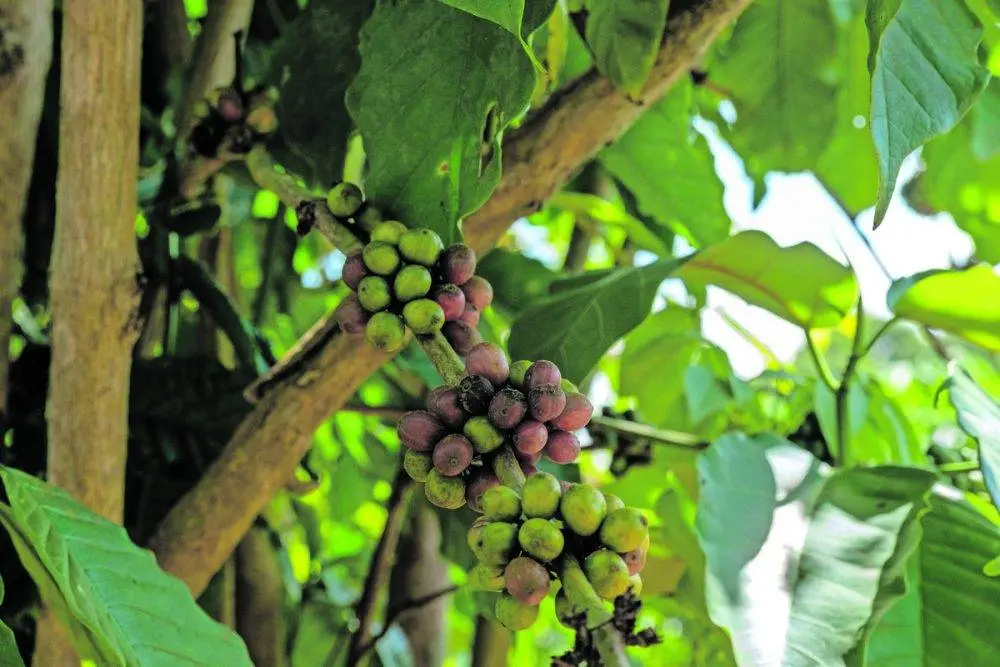
The persistent rains that should have set up a strong harvest instead drowned it. Flower buds died and fell away before they could open, a slow-motion disappointment that played out across coffee gardens in central and western districts through the early months of 2026. Beans and groundnuts fared little better, their yields also depressed by the sodden conditions, according to reporting in the Daily Monitor's farming pages by veteran agriculture writer Michael J. Ssali.
Then, almost as abruptly as the rains had arrived, they stopped. Around the beginning of May, the skies over much of Uganda closed. What followed was not a gentle dry spell but a hard, fast-moving drought that has left "nearly every plant" in much of central Uganda and other parts of the country wilting from water shortage, Ssali reported. Swamps and streams that farmers had relied on for irrigation began drying up. Rainwater tanks ran empty. Entire fields of maize and beans, planted in anticipation of another good season, were destroyed outright. In Karamoja, the drought has been blamed for deaths as whole fields of crops failed.
The whiplash has been especially cruel for coffee. Farmers who spent the first months of the year nursing rain-damaged flower buds are now watching their trees wilt from the opposite extreme. Young men have taken to strapping jerry cans onto motorcycles and bicycles, ferrying water from whatever swamps still hold a trickle to keep newly planted coffee seedlings alive. "All Robusta coffee farmers are disappointed, especially the newcomers in coffee production," Ssali wrote, capturing a mood of exhaustion among growers who, in a single season, have absorbed two entirely different kinds of climate punishment.

A crop that carries the economy on its back
The stakes attached to that disappointment are unusually high. Coffee is Uganda's single most valuable export and the backbone of livelihoods for more than 1.8 million farming households, according to industry estimates from the Uganda Coffee Development Authority and international trade bodies. Robusta, the hardy, lower-altitude variety grown across the central and western districts now suffering the drought, accounts for more than four-fifths of national production, with Arabica making up the premium remainder grown in highland areas such as Mount Elgon and the Rwenzori region.
The sector has had genuine momentum to lose. Uganda exported roughly 8.6 million 60-kilogramme bags of coffee in the twelve months to May 2026, a 16 percent jump in volume that helped the country overtake Ethiopia as Africa's leading coffee exporter and pushed earnings toward $2.3 billion, according to trade data presented at this month's Uganda Coffee and Cocoa Expo in Kampala. That success has underpinned an aggressive government push, dubbed the coffee roadmap, to lift national production toward 20 million bags by 2030 — a target that has drawn tens of thousands of new farmers, particularly in northern and eastern districts, into planting coffee for the first time. It is precisely those newcomers, inexperienced in managing the crop through weather extremes, who appear hardest hit by this year's drowned-then-dried flowering season.
A poor 2026/27 harvest would not simply dent farmer incomes for a season. Coffee accounts for a substantial share of Uganda's total export earnings, and swings in the crop ripple directly into the country's trade balance. The Ministry of Finance's own performance-of-the-economy reporting has already flagged a sharp fall in coffee earnings this year — down more than a third in one recent month compared with the year before — even before the current drought's effects on the next flowering cycle are fully counted. Should this season's bud damage translate into a smaller 2027 harvest, the shortfall would arrive just as the country is trying to defend hard-won export gains and diversify into new markets, including recent overtures to buyers as far afield as Algeria and the Gulf states.
A warning about what comes next
The immediate drought is bad enough. But a report that has circulated among agricultural policymakers this year suggests farmers should brace for a more sustained disruption. AGRA's Food Security Monitor for July 2026 warned of an impending strong El Niño event expected to develop from around October 2026 and persist into April 2027, posing what the report called "significant risks to global and African food security through droughts, floods, agricultural losses, and economic destruction."
The report noted that the event has already begun contributing to rainfall deficits across East Africa, and cited African Development Bank estimates that it could shave one to two percentage points off GDP in the continent's most heavily affected countries, generating economic losses in the range of $10 billion to $20 billion through crop failures, livestock losses, infrastructure damage, rising food prices and increased migration pressure. For a country where agriculture still employs roughly seven in ten Ugandans and contributes around a quarter of GDP, that is not an abstract continental statistic — it is a direct threat to the coffee belt currently nursing wilted seedlings with jerry cans of swamp water.
The cruelty of the forecast is its timing. Uganda's Ministry of Water and Environment had, in an earlier advisory this year, warned of above-normal rainfall between August and December 2026 linked to a weak-to-moderate El Niño and a positive Indian Ocean Dipole — raising the prospect of flooding in landslide-prone areas even as central Uganda remains locked in the drought devastating its coffee gardens. Farmers, in other words, are being asked to prepare simultaneously for too little water and too much of it, a whiplash that mirrors exactly what has already happened to this year's coffee crop.
What is — and isn't — being done
Uganda's chronic under-investment in irrigation leaves it poorly placed to absorb either extreme. Government officials, including Agriculture Minister Frank Tumwebaze, have acknowledged that formal irrigation covers a small fraction of the country's farmland, well short of the levels seen in more climate-resilient producing nations, and have set up an inter-ministerial committee to accelerate water-for-production infrastructure. But those investments move on a timescale of years, not the weeks farmers now have before the next flowering window.
In the meantime, the response on the ground remains largely improvised: motorcycle water runs, rationed swamp access, and the kind of grim patience that has characterised smallholder farming through Uganda's recent run of erratic seasons. Agricultural researchers and development partners have floated interventions ranging from drought-tolerant planting material to expanded weather-index insurance, but uptake among the newly recruited coffee farmers most exposed to this year's losses remains limited.
For now, the immediate question hanging over central and western Uganda's coffee belt is simply whether enough of this year's stressed trees survive to flower again when conditions stabilise. The larger question — whether the country's coffee ambitions can survive a decade in which extreme rainfall variability is becoming the norm rather than the exception — will be shaped by how seriously Kampala treats the AGRA report's warning in the months before the next El Niño event takes hold.
Published By | Features Editor