Share
By Dickens Tiharihondijo
In today’s hyper-connected world, attention has become a currency—perhaps even a drug. The more people receive it, the more they crave it. Like a narcotic, its effects are short-lived, and the brain quickly demands another dose. When the supply is suddenly cut off, the psychological withdrawal can be just as brutal.
This insatiable hunger for validation and recognition mirrors the experience of substance dependency. A person accustomed to constant praise, admiration, or social interaction often finds themselves emotionally unanchored when the spotlight dims. It is no surprise that many fall into depression when attention—once abundant—becomes scarce.
Those who smoke or use drugs may relate to this more vividly. They know the agitation, anxiety, or restlessness that comes from missing just a single fix. In much the same way, someone—particularly a woman—who is used to receiving daily compliments, lunch invitations, surprise gifts, or birthday celebrations may experience a similar psychological crash when those gestures suddenly stop.
That’s why many women strive to look their best every day, changing hairstyles, clothes, and makeup—not merely for self-care, but often in anticipation of external affirmation. When such affirmation doesn’t come, it can feel like emotional withdrawal. A day without hearing, “You look beautiful,” can mirror a smoker’s day without a cigarette.
This pattern often begins in childhood. When a girl is raised hearing she’s beautiful every day and is given everything she asks for, she may unconsciously grow to expect the same from every man she encounters. It's not uncommon to hear women say, “I want a man who treats me like my father did.” While this might sound sweet, it can also point to an emotional overdependence on external validation—a pattern that can set her up for disappointment or emotional instability later in life.
This dynamic is not exclusive to women. Men too—whether as husbands, boyfriends, or children—can become emotionally dependent on constant attention, gifts, or praise. That’s why sometimes, as a partner or parent, it’s healthy to set boundaries. Love is not about constant indulgence. Denying a gift, delaying gratification, or stepping back from constant praise can act as emotional shock absorbers. These small acts of restraint can help loved ones cope better when life doesn’t go their way.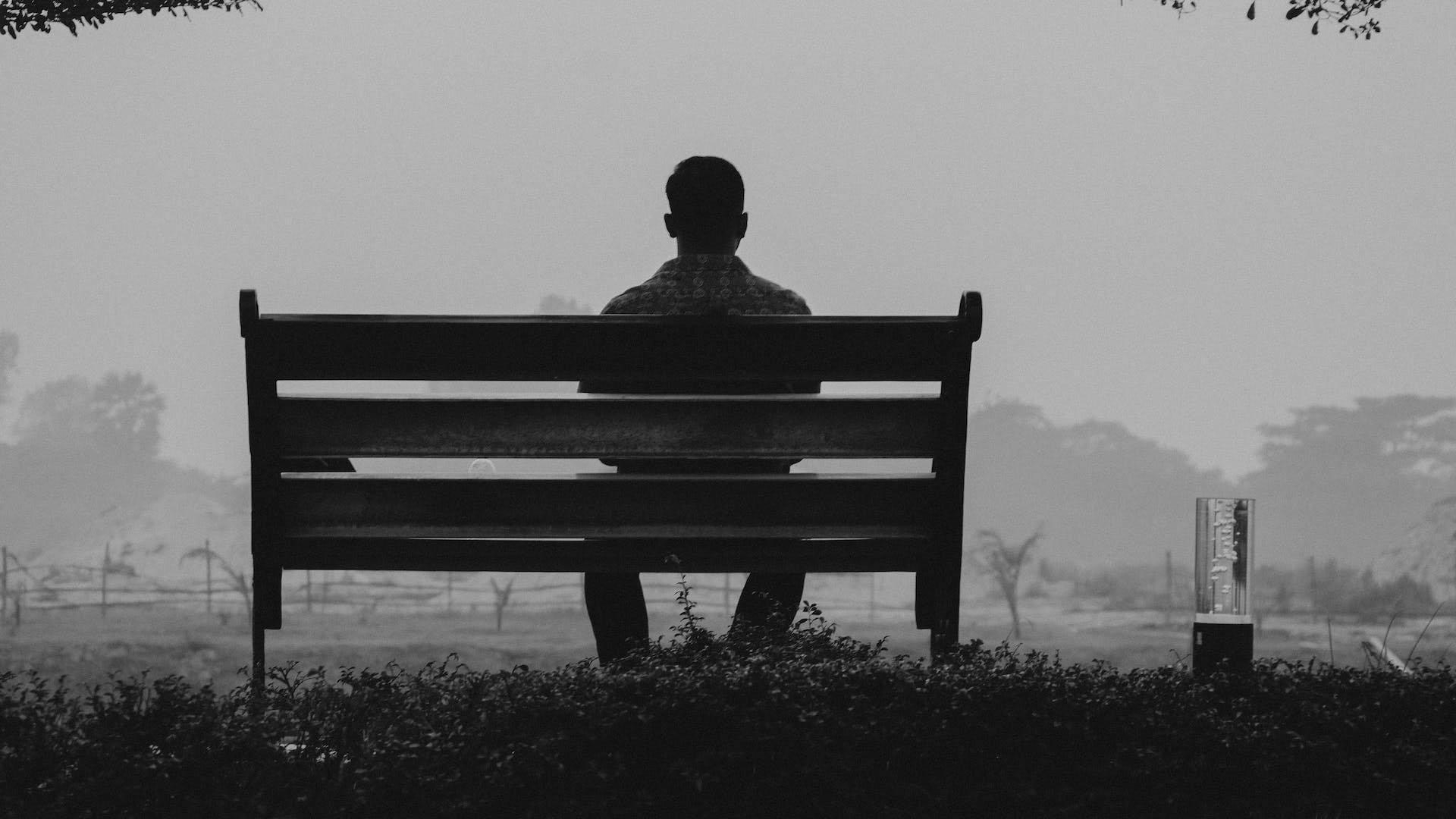
Indeed, emotional resilience often correlates with how accustomed a person is to struggle—or the lack of it. Rich people and their children, for instance, tend to struggle more with depression or even suicidal thoughts when faced with adversity, simply because they haven’t built the emotional muscles to deal with setbacks.
A friend of mine nearly fell into depression recently after her son was sent home from school due to unpaid fees. She was used to the father of her child paying the entire amount upfront, every term. But this time, he was financially constrained and only paid half. When she was asked to pick up the child, she panicked and called me in tears. I calmly reminded her that missing a week of school isn’t the end of the world—her co-parent had already promised to clear the balance soon. I told her my own children were still at home, and I wasn’t even worried. The issue wasn’t the school fees—it was the shock of unmet expectations.
That’s why when President Yoweri Museveni suggests, “Eat cassava where there’s no bread,” it’s often urban dwellers and the middle class who are most offended. For those who only eat bread on Christmas, it’s not even a conversation—they’ve learned to adapt. But for those who are used to bread every morning, any disruption feels like a crisis.
In essence, it’s not what we lack that causes suffering, but our relationship with what we’re used to. Emotional resilience comes from knowing how to manage life when things don’t go our way. Whether you’re a parent, a partner, or simply a member of society, sometimes the most loving thing you can do is teach those around you how to be okay without constant validation. In the long run, that lesson may save them from despair.
©Torch Media Africa



