Written By | Staff Writer
Retail milk prices in Mbarara have jumped from about Shs1,200 to as high as Shs2,500 per litre, while farmgate prices have climbed from roughly Shs900 per litre.
Agriculture
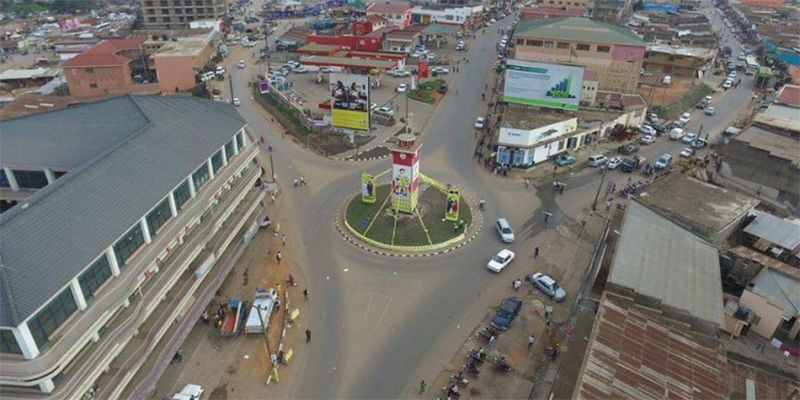
Mbarara City has long carried the affectionate nickname "the City of Milk and Honey," a nod to its status as the collection hub for western Uganda's cattle corridor and one of the engines behind the country's dairy export boom. This week, that identity is being tested. A combination of prolonged drought and a livestock disease outbreak has cut the city's daily milk collection by more than half, sending retail prices surging and forcing dairies to slash their operating hours.
According to Dr Moses Amanyire, Mbarara City's Production Officer, daily milk collection in the city has fallen from roughly 20,000 litres to between 5,000 and 8,000 litres — a drop of 60 to 75 percent. "It is true, we are facing low production of milk and this makes supply shortage within the regional city," Amanyire said, attributing the collapse to a lack of pasture, animal feed and water forcing herds to trek longer distances in search of basic sustenance.
The shortage has two compounding causes. The first is a prolonged dry spell that has gripped much of western Uganda since mid-year, depleting pasture and water sources across the cattle corridor districts of Kiruhura, Isingiro, Ibanda, Ntungamo and Mbarara itself. The second is an anthrax outbreak in neighbouring districts that has triggered livestock quarantines, cutting off some of the supply routes that normally feed milk into the city. Uganda has seen a string of anthrax outbreaks in western districts this year, including a cluster in Sheema in late July that killed five people and hospitalised nine others, underscoring how the same climatic and disease pressures are hitting both human and animal health simultaneously across the region.
Prices Double as Quality Suffers
The supply crunch has hit consumers directly. Retail milk prices in Mbarara have jumped from about Shs1,200 to as high as Shs2,500 per litre, while farmgate prices have climbed from roughly Shs900 per litre. Collins Ampaire, a milk trader in the city, said the scarcity has been dramatic. "We are getting very little supply from the farms, and retail customers cannot believe how fast the price jumped," he said.
Dairies and collection centres have had to compress their working hours to match the thinner supply. Facilities that once opened at 6am and ran until 10pm are now opening after 10am and closing by 6pm — a near-halving of operating time that ripples through employment, transport and the informal trading networks built around the milk economy.
The shortage is also degrading the quality of milk that does reach the market. Mark Wamala, quality manager at Lakeside Dairy Ltd, said the dry conditions have lowered the density of raw milk delivered to collection points, effectively diluting it. "The long dry periods have degraded overall milk quality, causing lower density and dilution, putting equal strain on dairies, collection centres and processing plants," he said, adding that factory intake at his plant has fallen from an average of 200,000 litres a day to just 120,000 litres — a 40 percent decline. Some farmers, traders say, have resorted to adding water to their milk to stretch shrinking volumes, a practice that further undermines the product reaching consumers and processors alike.
William Kakuru, another local milk trader, described the daily scramble to secure supply. "Getting even a few jerrycans of milk now requires intense negotiation because the supply is just not there. We get the milk late, start operations late and close early because of little supply," he said.
A Sector That Had Been on the Rise
The timing is notable because Uganda's dairy sector has, until now, been one of agriculture's clearer recent success stories. National milk production reached an estimated 5.4 billion litres, according to figures cited during this year's State of the Nation Address — a dramatic rise from 3.85 billion litres just a few years earlier, driven by herd improvement programmes, expanded processing capacity and growing export demand, including a recent agreement to supply powdered milk to Nigeria. Dairy export earnings have climbed accordingly, and Mbarara, sitting at the heart of the Ankole cattle corridor that accounts for a majority of the national herd, has been central to that growth.
The current shortage is a reminder of how fragile that expansion can be at the local level. Uganda's food-price data have already shown signs of strain this year: the Uganda Bureau of Statistics recorded annual inflation of 4.0 percent in July, with beef prices rising on the back of disease outbreaks and drought even before the Mbarara milk crunch became acute. A dry spell that the Ministry of Water and Environment had earlier predicted would run from roughly June to August has coincided with disease pressures to produce exactly the kind of compounding shock that climate and livestock experts have long warned could undercut dairy sector gains if resilience measures lag behind production targets.
What Comes Next
Officials are pointing to longer-term adaptation rather than emergency fixes. Amanyire said part of the problem lies in how western Uganda's dairy farmers organise themselves, arguing that a reluctance to adopt group or cooperative farming models has left individual households more exposed to price swings and supply shocks. "We also have farmers who don't want to carry out group farming to mitigate such challenges of production and price fluctuations," he said, calling on farmers to adopt climate-smart livestock management practices, including proper feed storage and water harvesting, to cushion against future seasonal shocks.
The advice echoes a broader theme now running through Uganda's agriculture policy conversation: an above-normal rainfall outlook for August through December, driven by a weak-to-moderate El Niño, means the current drought-driven shortage in Mbarara could soon be followed by the opposite problem — flooding and waterlogging risks that bring their own threats to pasture and animal health. For a dairy sector whipsawing between dry-season scarcity and wet-season disease and flood risk, the message from officials is that infrastructure — water storage, feed reserves, veterinary surveillance and farmer organisation — will matter more than rainfall alone in determining whether Mbarara's milk taps stay open.
For now, though, the immediate reality in Uganda's dairy heartland is scarcer, pricier and thinner milk — a squeeze being felt by farmers losing income, traders struggling to source supply, processors running under capacity, and consumers paying twice what they did only weeks ago for a staple long associated with the city's very identity.



