Written By | Staff Writer
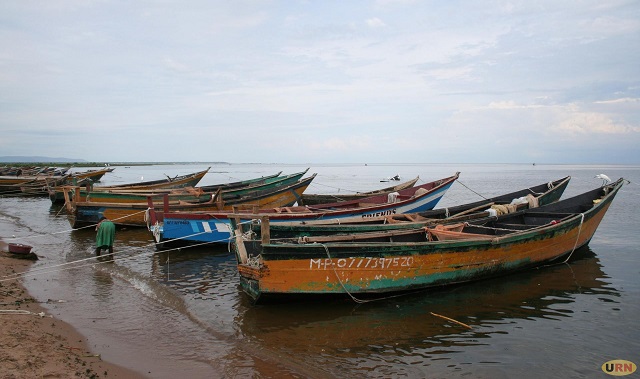
Lake Albert's Butiaba Landing Site in Buliisa District
Agriculture
On Lake Albert's Butiaba Landing Site in Buliisa District this week, fisherman Ibrahim Musa Asaba described a poverty he says did not exist before soldiers took charge of the water he has fished his whole life. He can no longer afford his children's school fees. Basic household needs have become a daily negotiation. He is not alone: fishmonger Christine Atimnedi says entire families around her are going hungry because they have been barred from accessing the lake. Anyesi Bidong, who smokes and trades silverfish, says women who put Parish Development Model loan money into fish businesses now fear they will default because their operations have stalled entirely.
Nearly 400 kilometres away on Lake Victoria, local leaders are making almost identical complaints — but about a rule that, they argue, defies biology itself. "If we are not allowed to use lights while fishing, how can someone drive a car at night without headlights? Can you walk at night without a torch? How then do you expect someone to catch silverfish on the lake without lights?" asked Mpigi District Chairperson Simon Peter Kawuki, referring to a ban on the lights fishermen use to attract mukene, or silverfish, which can only be harvested effectively at night.
Together, the two stories capture a fisheries crackdown that has been building since a presidential directive in December 2025, and that is now colliding, lake by lake, with the livelihoods of tens of thousands of Ugandans who have no other trade.
From the Fisheries Protection Unit to the Marines
The current enforcement regime traces back to a December 26, 2025 letter from the Acting Director of Defence Public Information, in which President Yoweri Museveni ordered the dissolution of the Beach Management Units and Fisheries Protection Unit committees. In their place, new seven-member committees — drawn from indigenous fishermen and vetted investors — are being rolled out, and the old Fisheries Protection Unit has been renamed the 155 Marines Battalion, now under the UPDF Marines Brigade.
The rules are strict by any regional standard. Each landing site must now have at least 100 licensed fishermen and 30 registered boats to remain open; on Lakes George and Edward the cap is tighter, at 33 licensed boats per site, and no individual may own more than 10 boats at any single landing site. Illegal gear is defined precisely — nets smaller than five inches for tilapia and seven inches for Nile perch, and boats shorter than 20 feet are barred. Fishermen operating without valid permits face up to seven years in prison. Permanent shoreline structures are banned within 200 metres of the water.
Defending the measures at Kaiso Landing Site this week, Lt Gen Okiding said the goal was to restore collapsing fish stocks, warning that anyone caught using illegal gear "would be arrested and prosecuted." Ministry figures show Lake Albert alone supports more than 50,000 fishermen and produces over 100,000 tonnes of fish annually — a resource officials say has been steadily depleted.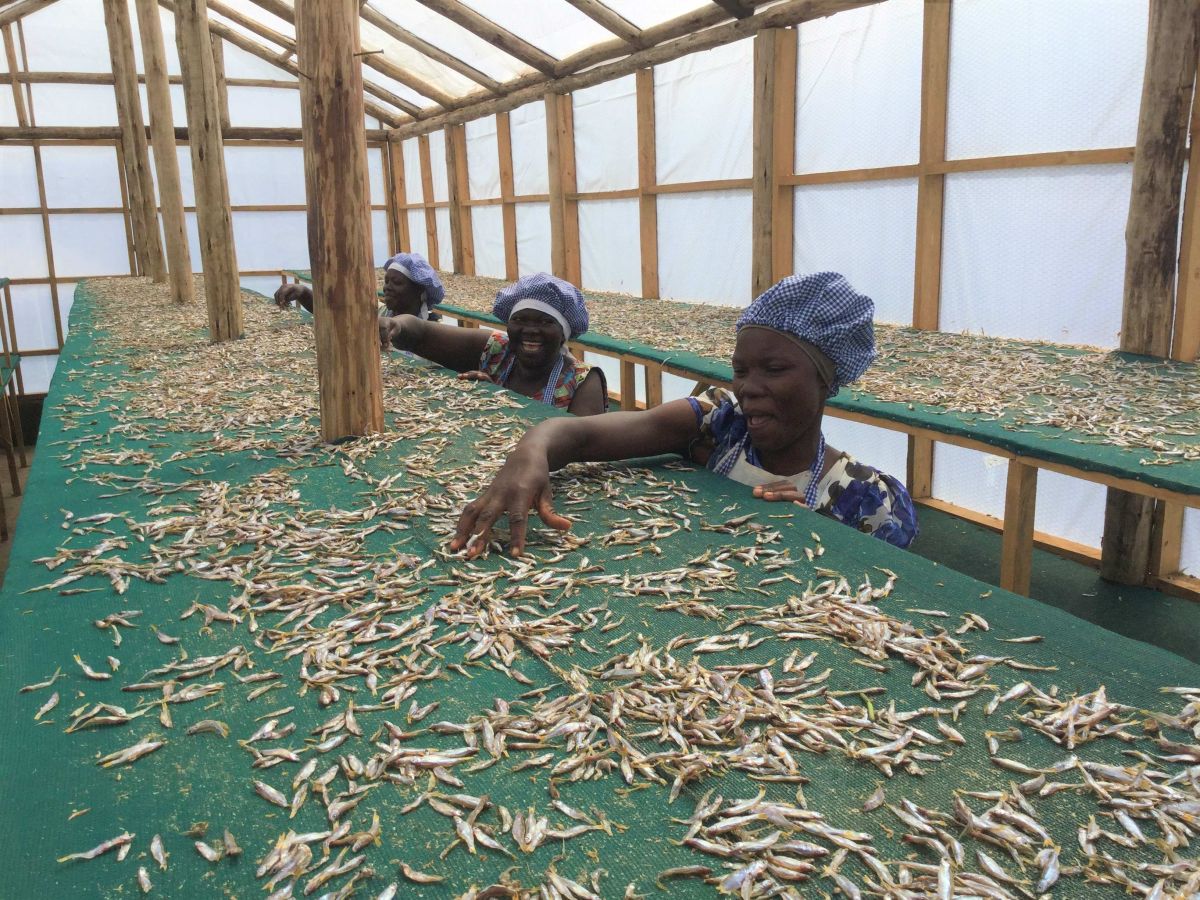
The human cost is already measurable
The enforcement is not new — soldiers have been active on Lake Victoria for months — but its economic toll is becoming impossible to ignore. In March, more than 500 fishermen from Kalangala District fled with their boats to neighbouring Tanzania. Since enforcement intensified on March 7, more than 90 fishermen have been arrested in Kalangala waters alone. In one seizure, the UPDF impounded roughly 10 tonnes of fish measuring five to nine inches — well under the recommended 20-inch minimum harvest size for Nile perch.
At a meeting at Ssenyondo Landing Site in June, community leader Richard Masanke told Lt Gen Okiding that fishermen had been unable to operate fully for five months, jeopardising real capital investment — including a Shs48 million fish-processing machine. "If fishing activities remain disrupted, that investment could become useless," Masanke said.
By early July, that appeal had hardened into open pushback. Buwama Sub-county LC3 chairperson Deo Ssendegeya said the silverfish ban made no sense given the fish's size relative to the species the crackdown was meant to protect. "I am surprised by the government. They have even turned against silverfish... Why ban it too?" he asked. He and Kawuki both described a community unravelling: "Children are no longer going to school, tax collections have dropped, poverty has increased, crime is rising, hunger is worsening and families are breaking apart."
Kawuki went further, questioning whether the conditions were achievable for anyone in the fishing community. "There is not a single local fisherman who can meet them. How can you tell someone the government considers poor enough to qualify for the Parish Development Model to buy a boat worth Shs30 million?" he said, adding that Mpigi District has begun consulting fisheries experts and plans to formally petition for a review.
Balancing stocks and survival
The tension mirrors a dilemma familiar across East Africa's freshwater fisheries: decades of overfishing have depleted stocks of Nile perch and tilapia, yet the households most exposed to enforcement are precisely the small-scale operators with the least capital to absorb new costs.
Government has signalled some awareness. Lt Gen Okiding has said authorities are considering financial support for districts with landing sites, and the new committees are meant to give indigenous fishermen a stronger voice. Kawuki welcomed the committees as a better forum for dialogue, even as he pressed for the underlying rules to be loosened.
Whether that reform reaches fishing communities before more follow the Kalangala exodus to Tanzania will determine whether Uganda's fisheries policy ends up restoring the lakes or hollowing out the villages that depend on them. With an estimated 200,000 fishers working Lake Victoria and Lake Albert's workforce exceeding 50,000, the stakes extend well beyond any single landing site.



