Written By | Staff Writer
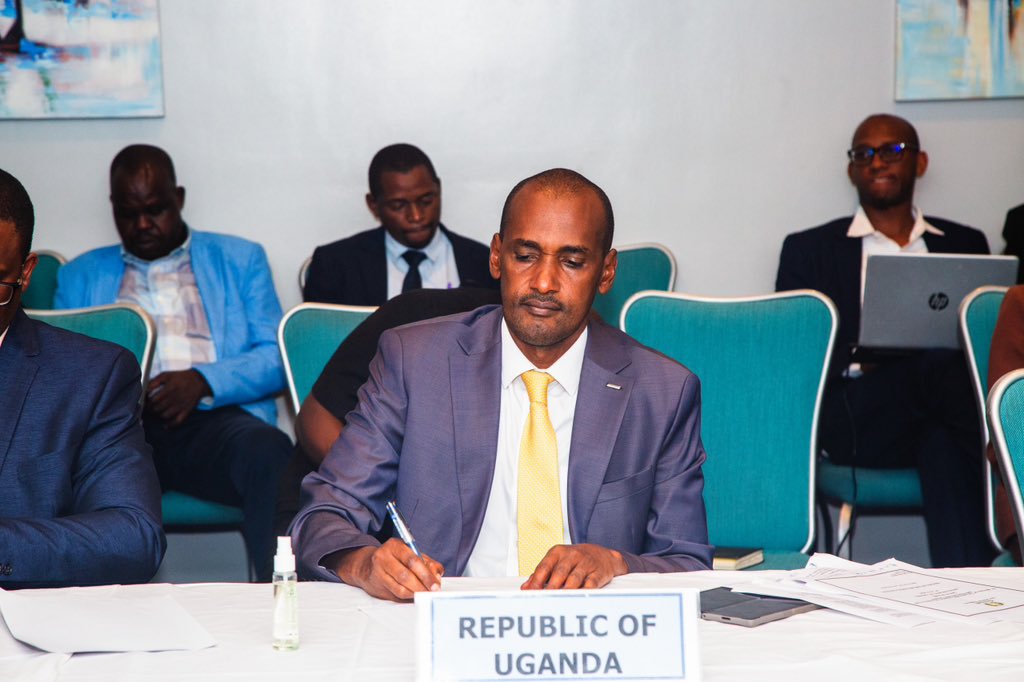
Mr Frank Tumwebaze at the East African Community, he told the 19th Session of the Sectoral Council on Agriculture and Food Security (SCAFS)
Agriculture
Standing before fellow agriculture ministers in Dar es Salaam on July 6, Uganda's Frank K. Tumwebaze made a point of praising his region's granaries. Maize, bananas, Irish potatoes and sweet potatoes are all being produced in growing surpluses across the East African Community, he told the 19th Session of the Sectoral Council on Agriculture and Food Security (SCAFS). But the compliment came with an edge: production gains mean little, he argued, if the region cannot move food efficiently, finance it affordably, or protect it from a warming climate.
That tension is precisely what the EAC's newly adopted Regional Agri-Food Systems Investment Plan (RASIP) 2026–2035 is designed to resolve. Endorsed by SCAFS ministers at the Dar es Salaam meeting, the plan commits the bloc to mobilising roughly $15 billion over the next decade — funding to be drawn from partner-state treasuries, development partners and private investors — to rebuild the infrastructure, financing systems and trade rules underpinning East African agriculture. For Uganda, which supplies food staples across the region and chairs SCAFS through Tumwebaze, the plan is both an opportunity and a test of whether the country can convert its farm surpluses into durable prosperity.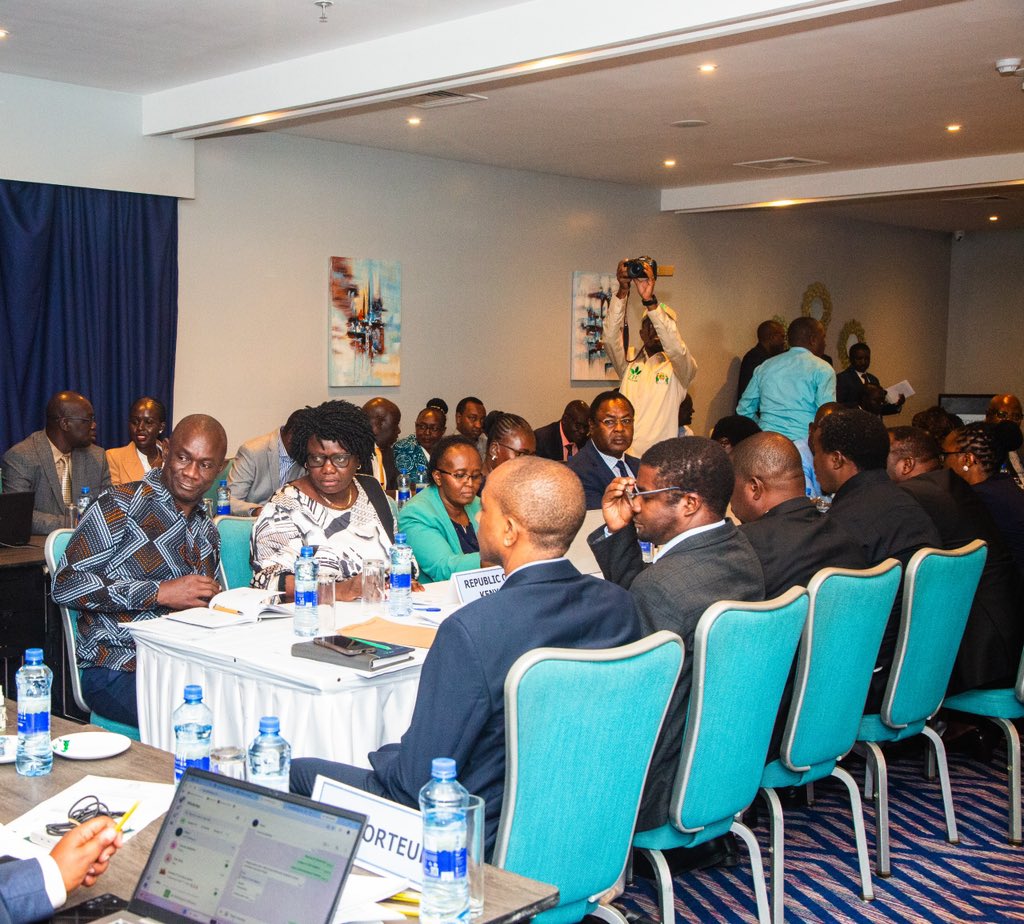
Why the region needs a fix
The numbers behind RASIP explain the urgency. Agriculture contributes an estimated 25 percent of the EAC's combined GDP, yet the bloc spends around $2.5 billion every year importing wheat, rice and other commodities that could, in principle, be grown or processed within its own borders. Roughly 40 percent of the region's perishable produce is lost after harvest — to poor storage, patchy roads, and the absence of processing facilities close to farms. In a bloc where a third of the population depends directly on farming for its livelihood, that scale of waste is not a footnote; it is a structural drain on rural incomes.
RASIP is built around three pillars — infrastructure, innovation and trade facilitation — and its centrepiece is a network of Agri-Industrial Parks planned for locations near EAC border points. These parks are meant to give smallholder farmers access to cold storage, processing lines and direct links into regional markets, shortening the distance between a harvest in, say, eastern Uganda and a buyer in Nairobi or Kigali. If they work as designed, the parks could meaningfully dent the post-harvest losses that currently erase a large share of farmers' earnings before produce even reaches a market stall.
The plan's second major intervention addresses a problem Ugandan farmers know intimately: the cost of borrowing. A new Regional Agriculture Risk Sharing Facility is meant to offer credit guarantees to commercial banks, encouraging them to lend to agribusinesses at rates below 10 percent — a sharp drop from the 15 to 20 percent that borrowers currently face in many EAC markets. If the facility is implemented and Ugandan lenders participate, it could open financing to processors and exporters who have historically been priced out of formal credit, from small maize millers to fruit exporters trying to invest in cold chain equipment.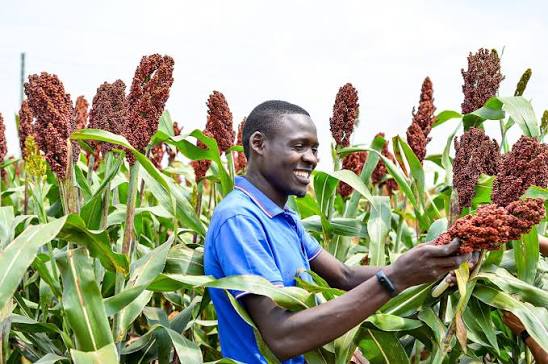
Rice, youth and the fine print
Beyond the headline infrastructure and financing commitments, ministers also approved a cluster of measures with direct relevance to Uganda's farm economy. They strengthened the EAC Rice Development Strategy, backing the newly operationalised EAC Rice Desk, mechanisation support, better seed systems and — critically for Ugandan rice millers who regularly complain about cross-border obstacles — a push to reduce non-tariff barriers affecting rice trade within the bloc.
The Council also endorsed the Youth in Agri-Food Systems in EAC (YASE) Platform and welcomed progress on an EAC Youth in Agribusiness Portal, an acknowledgment that the region's farming workforce is ageing and that attracting young entrepreneurs into agribusiness — not just primary production — will determine whether these investments pay off a decade from now.
On the regulatory side, ministers adopted Standard Operating Procedures for Crop Inspection, new Environmental and Human Health Risk Assessment Manuals, and an EAC Strategy for the Management of Highly Hazardous Pesticides covering 2026 to 2036. These are unglamorous instruments, but they matter enormously for Ugandan exporters: harmonised inspection and pesticide-residue standards are often what determines whether Ugandan coffee, avocado or horticultural produce clears European or regional import checks without costly delays or rejections.
Livestock keepers were not left out. The Council adopted an EAC Guideline on Sharing Epidemiological Information on Transboundary Animal Diseases and Zoonoses, alongside a Foot-and-Mouth Disease Control Strategic Framework for Eastern Africa running through 2035 — a framework with obvious resonance in Uganda, where an FMD outbreak in Sembabule earlier this month forced the government to make livestock vaccination mandatory in the cattle corridor. Additional guidelines on veterinary medicines regulation and ectoparasiticide labelling were also approved, aimed at making it easier to move animals and animal products across borders without triggering disease-control disputes.
Uganda's stake — and its homework
As SCAFS chairperson, Tumwebaze used the Dar es Salaam session to press partner states to align their national agriculture investment plans with the Comprehensive Africa Agriculture Development Programme's Kampala Declaration (2026–2035), the continental framework agreed under Uganda's own stewardship. That alignment matters because RASIP's success depends less on the regional secretariat than on what individual governments do at home: whether Uganda channels its own agriculture budget toward irrigation, mechanisation, seed systems and market infrastructure in ways that plug into the regional plan, rather than duplicating it.
EAC Deputy Secretary General Andrea Aguer Ariik Malueth framed the challenge in similar terms, telling the meeting that raising regional agricultural productivity would require deeper investment in value addition, mechanisation, digitalisation, access to inputs and finance, and expanded market opportunities — a list that reads like a checklist against which Uganda's own farm policy could be measured.
The meeting's review of the EAC Regional Food Security Report offered a reality check alongside the ambition: production and surpluses are growing for most staple crops across the bloc, but the region still runs persistent deficits in wheat and edible oils — precisely the imported commodities driving that $2.5 billion annual food import bill. Ministers directed partner states to strengthen food security data systems and harmonise reporting, a signal that better information, not just more money, will be part of closing that gap.
Development partners including AGRA, the African Development Bank, JICA, FAO, GALVmed and TradeMark Africa were commended for their continued backing of the EAC agricultural agenda, underscoring that RASIP's $15 billion will be assembled from multiple sources rather than a single cheque — which also means its delivery will depend on sustained coordination among donors, governments and private investors over a full decade.
For Ugandan farmers, none of this will be felt overnight. Agri-Industrial Parks take years to plan and build; credit facilities need banks to actually adopt new lending terms; and regulatory harmonisation moves at the pace of the slowest partner state. But the plan does set a benchmark against which Uganda's own agricultural investments — from irrigation schemes to seed companies to farmer cooperatives — can now be measured, and it gives Kampala, as the current chair of the process, an unusually direct hand in shaping how that money eventually reaches the farm gate.



