Written By | Staff Writer
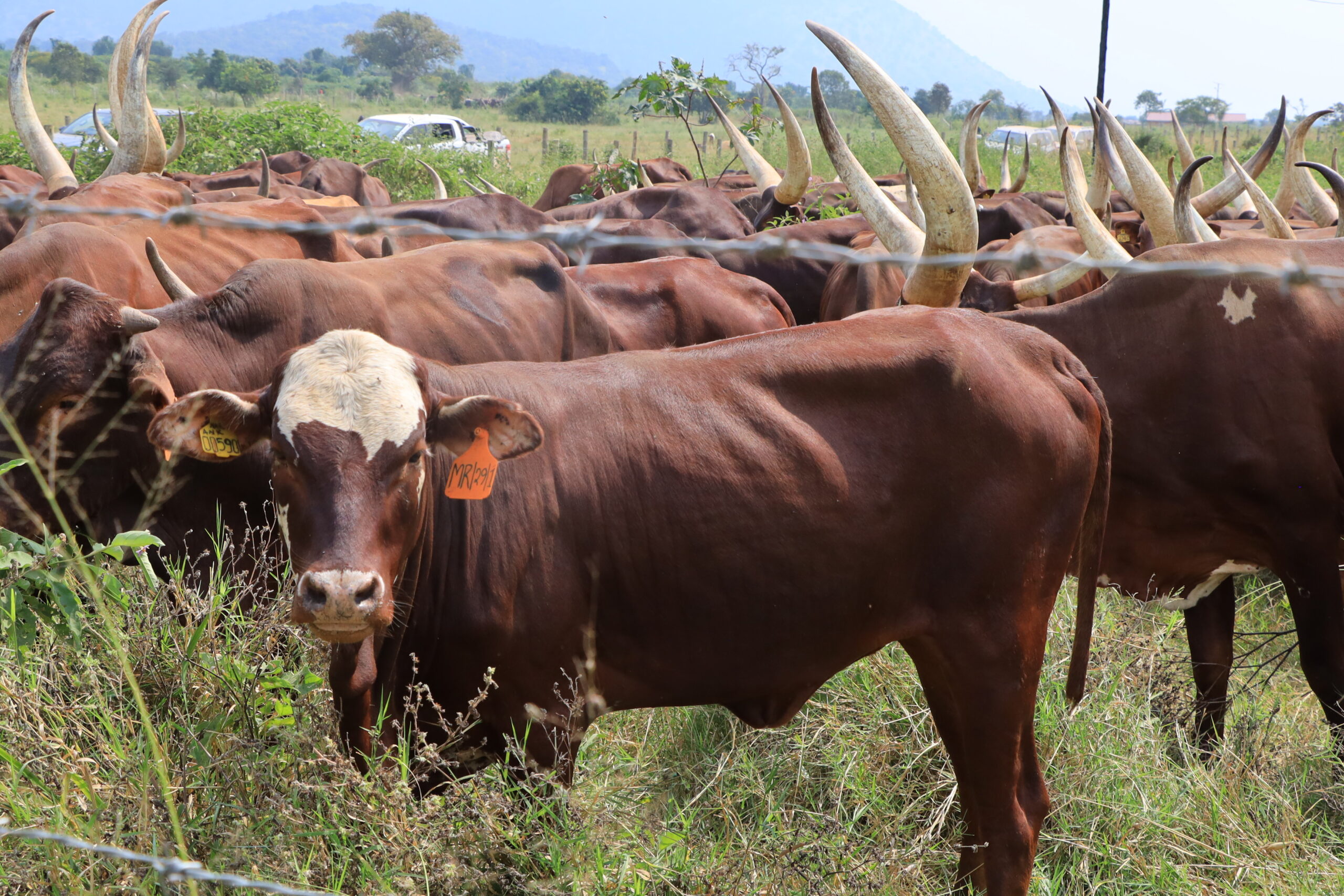
A new continental call to invest in livestock lands as Ugandan beef prices, feed costs and disease controls show where the gaps actually lie.
Agriculture Daily
A commentary published this week on African Arguments and republished by AllAfrica on 28 October 2026 makes a blunt claim: Africa cannot build a stronger agrifood economy while its livestock sector loses an estimated US$4 billion a year in unrealised potential. The authors, Dr Huyam Salih of the African Union's Inter-African Bureau for Animal Resources and Dr Obai Khalifa of the Gates Foundation, run institutions that fund and coordinate livestock programmes, so the piece is advocacy. But its central argument, that livestock is under-invested relative to its importance, can be tested against what has happened in Uganda over the past six months.
The commentary says livestock supports more than 350 million people across Africa, that the continent's food import bill was around US$70 billion in 2025, and that most governments have not met the 2003 Maputo Declaration target of spending at least 10 per cent of national budgets on agriculture. It cites Kenya, where livestock is 12 per cent of GDP, and Rwanda's US$169.8 million investment case for pigs and poultry. For Uganda it says livestock contributes about 17 per cent of agricultural GDP, citing FAO, and that the country is investing in breeds, feed, genetics, animal health and dairy infrastructure, though it gives no detail.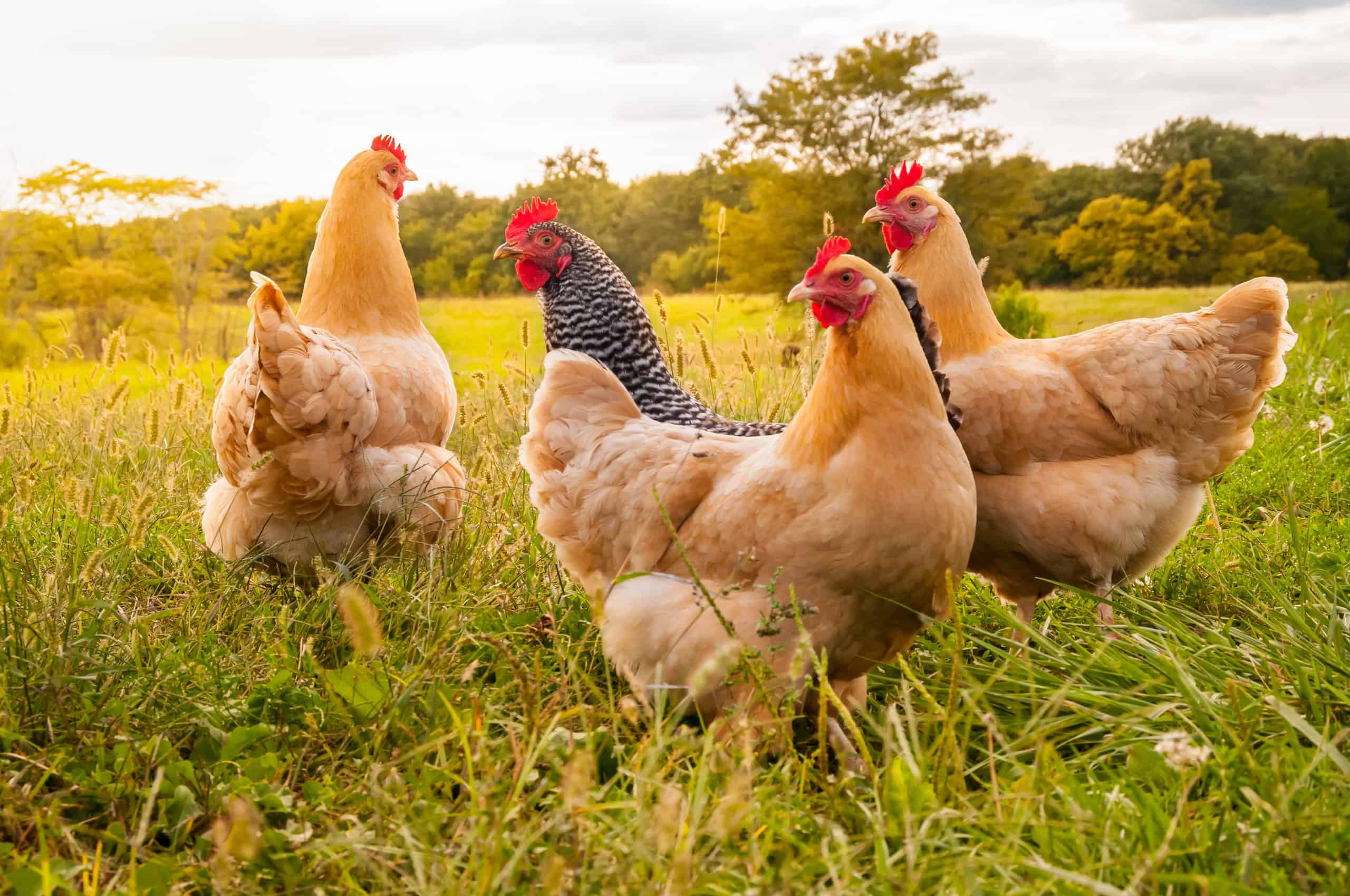
The price signal
The clearest evidence of under-investment is on the consumer's plate. The Independent reported in June 2026 that beef had risen from about Shs16,000 a kilogramme to Shs20,000 to Shs22,000 in several parts of the country, with abattoirs selling wholesale at Shs15,000 to Shs17,000. Village cattle were selling for Shs1.5 million to Shs5 million per animal.
The causes cited were a chain of supply failures. Foot-and-mouth disease outbreaks earlier in the year affected districts including Ntungamo, Abim, Amudat, Amuria, Bukedea, Sembabule, Bukwo, Bulambuli, Gomba and Isingiro, and the ministry suspended the sale and movement of cattle and cattle products in affected areas. Prolonged dry spells left free-range cattle in poor condition. Traders also pointed to dollar-paying buyers from the Democratic Republic of Congo at the Bwera cattle market and to higher fuel costs. Sulaiman Ssekanyo, chairperson of Kalerwe Abattoir, told the paper that quarantines had cut the number of animals reaching markets. A restaurant owner in Kawempe said she could now afford only two kilogrammes of beef a day instead of five.
These are not signs of a sector with too little demand. They are signs of a sector whose supply cannot respond, because the underlying systems for disease control, feed and breeding are weak.
Disease control: the first test
Animal health is where public money can have the quickest effect. Ministry statements in October described a campaign to vaccinate against foot-and-mouth disease, with Minister of State for Animal Industry Bright Rwamirama warning veterinarians who sell state-supplied vaccines that they risk arrest. Reporting by the Monitor cited about 44 million doses and an 80 per cent coverage target. A separate drive to control tsetse flies with deltamethrin across 41 high-risk districts was launched on 6 October.
The problem, as those reports acknowledged, is follow-through. Vaccine campaigns lose value if herds are not re-vaccinated on schedule, if cold chains fail or if movement controls are ignored. The continental commentary calls for investment in exactly these basics. Uganda's experience this year suggests the money has to reach district veterinary offices, not just central programmes.
Feed: the hidden cost
Feed is the second constraint. In September, Rwamirama told the launch of the inaugural Uganda Poultry Show in Kampala that the country had cut reliance on imported poultry feed by nearly 80 per cent, though no baseline year was given. He put the national flock at about 120 million birds, commercial and backyard combined. Peter Senkungu, chairman of the Poultry Association of Uganda, said shortages and high prices of maize and soya were among the industry's biggest challenges and that Uganda imports both from Malawi, Zambia and Ethiopia.
That picture sits alongside the arrival of De Heus, the Dutch feed group, which launched broiler feed in Uganda in October. According to Monitor reporting, the product is made in Kenya, with a Ugandan plant not expected until around 2028. The same coverage put the Ugandan feed sector at about US$3.5 billion and noted that monogastric feed demand, for poultry and pigs, is about 2.3 million tonnes against 42.6 million tonnes for ruminants. It also noted that maize prices have moved from roughly Shs300 to 500 to as much as Shs1,500 per kilogramme at times. If an import of finished feed from a neighbouring country is the first step for a major investor, the 80 per cent claim needs careful reading: it may reflect a falling share of imported feed rather than a self-sufficient supply of ingredients.
Breeding: the long game
The third pillar is genetics. In August the National Animal Genetic Resources Centre and Data Bank (NAGRC&DB) launched five documents at its Entebbe headquarters, including a National Animal Breeding Strategy and Action Plan and a Strategic and Investment Plan for 2025/26 to 2029/30. Red Pepper reported that the plans aim to accelerate breeding and multiplication of farmer-preferred dairy and beef cattle, goats, pigs, poultry and fish, and to offer highly subsidised breeding stock to beneficiaries of the Parish Development Model, particularly in dairy, piggery and poultry. The documents address uncontrolled cross-breeding, weak breeding infrastructure and limited access to quality breeding material.
Results from the agency's own farms hint at the potential. Nile Post reported earlier this month that daily milk yields at the Nshaara Conservation Ranch in Kiruhura rose from 5.2 litres in 2023 to 8.6 litres in 2025 through selective breeding of Ankole cattle. Those are modest absolute numbers by international dairy standards, which is the point: the gap between what Ugandan herds produce and what better genetics and feeding can deliver is wide.
Where the money is going
Public spending signals remain mixed. The agriculture minister told Parliament in October that the sector grew 6.4 per cent in 2025/26, but also acknowledged shortfalls in mechanisation. Restocking in the north, reported at Shs80 billion with 80 per cent disbursed, has been plagued by high cattle prices and corruption cases. And a recent Bank of Uganda rate rise to 12 per cent will push up borrowing costs for the small dairy and poultry enterprises that the commentary says need finance.
The continental authors point to models that have worked: Kenya's pastoral market programme reports more than 334,000 sheep and goats sold to off-takers, with women 54 per cent of registered pastoralists and participating households earning over US$600 on average from livestock sales. They also cite an African Pastoral Markets Development Platform aiming to unlock up to US$500 million. These figures come from the authors and have not been independently verified here, but the logic is transferable: link producers to buyers, and investment follows.
What Uganda should take from it
First, the market is already speaking. Higher beef prices are a signal to invest, but only if disease controls allow farmers to respond. A farmer who restocks into an area that may be quarantined next month faces risks that no price can offset.
Second, feed policy should address ingredients, not just finished products. Raising maize and soya production, and storing grain to smooth price spikes, would help poultry, pigs and dairy at once. Third, the breeding strategy needs money behind it and a way to measure success that farmers can see, such as the number of improved animals actually delivered per district.
Fourth, the data are thin. The 17 per cent figure for livestock in agricultural GDP, the 80 per cent import reduction and the 80 per cent vaccination target all come with little public methodology. Investors and farmers make better decisions when they can check the baseline.
The bottom line
The commentary's US$4 billion figure is an estimate, and its authors have an interest in making the case for investment. But Uganda's own experience in 2026, with FMD quarantines, expensive beef, feed bottlenecks and still-unfunded breeding plans, shows what unrealised potential looks like at ground level. The question for the coming budget cycle is whether livestock will be treated as a core growth sector or as a supporting act. The cows and the chickens are ready. The systems around them are not.



