Written By |
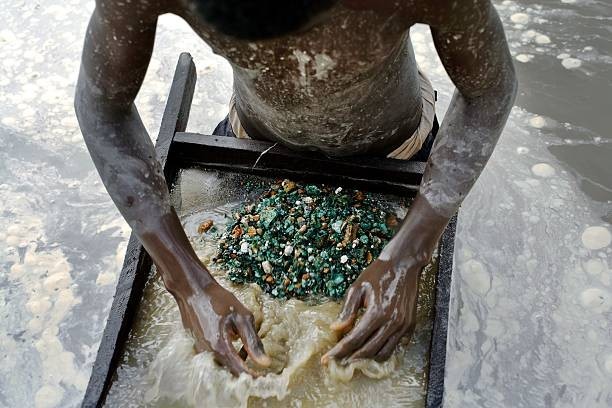
For decades, the continent has been a major global supplier of raw materials, including oil, diamonds, gold, copper, and timber (Courtesy Photo)
By Bosco Bakwatanisa Muto
Africa is endowed with vast natural resources, ranging from abundant mineral deposits to fertile agricultural land and diverse energy sources. For decades, the continent has been a major global supplier of raw materials, including oil, diamonds, gold, copper, and timber. However, despite this immense wealth, many African nations remain underdeveloped and trapped in poverty. Scholars such as Paul Collier, Dambisa Moyo, and Kwame Nkrumah have extensively explored the paradox of Africa’s resource wealth and underdevelopment. Here, I will discuss how African countries can harness their natural resources to drive socio-economic transformation, addressing key strategies, challenges, and the role of governance and international partnerships.
The paradox of plenty: Resource curse in Africa
The “resource curse” refers to the paradox in which countries with an abundance of natural resources tend to have slower economic growth, higher levels of corruption, and greater political instability than countries with fewer natural resources. This phenomenon has been well-documented by scholars like Paul Collier in his book The Bottom Billion and Jeffrey Sachs in The End of Poverty. Many African nations, including Nigeria, Angola, and the Democratic Republic of the Congo, have suffered from the resource curse, where wealth from oil and minerals has led to corruption, conflict, and economic mismanagement.
The concentration of wealth in the hands of elites and foreign corporations has often prevented the benefits of resource extraction from reaching ordinary citizens. As Collier (2007) points out, "resources alone do not automatically lead to development; governance is key." Thus, the first step in harnessing Africa’s natural resources for socio-economic transformation is improving governance and transparency in resource management.
Governance and institutional strengthening
Good governance is critical for translating natural resource wealth into broad-based economic development. Countries like Botswana and Namibia have demonstrated that it is possible to escape the resource curse through strong institutions and transparent management of resource revenues. Botswana, in particular, is often cited as a success story in Africa for its prudent management of diamond wealth, which has fueled significant investments in education, healthcare, and infrastructure. Acemoglu and Robinson, in Why Nations Fail, argue that inclusive political and economic institutions are essential for development, and Botswana exemplifies how strong institutions can prevent resource wealth from being misused.
To replicate such success across Africa, governments must establish policies that ensure resource wealth is invested in long-term socio-economic development rather than squandered through corruption or short-term gains. Implementing the Extractive Industries Transparency Initiative (EITI), which promotes openness and accountable management of natural resources, is one way to improve governance. Countries like Ghana and Tanzania have made strides in improving transparency through EITI participation, which can help build trust and encourage sustainable investments.
Industrialization and value addition
One of the major challenges African countries face in harnessing their natural resources is the export of raw materials with little or no value addition. According to Moyo (2009), Africa's reliance on exporting unprocessed goods has limited its ability to benefit fully from its resources. For example, while Africa produces a significant portion of the world’s gold, diamonds, and oil, these raw materials are often exported without being processed, leaving most of the profits to be captured by foreign companies.
To overcome this challenge, African countries need to invest in industries that process and add value to their raw materials. Industrialization can create jobs, stimulate innovation, and increase export revenues. The African Union’s Agenda 2063 emphasizes the need for African countries to develop industries that focus on beneficiation—transforming raw materials into higher-value products. For example, instead of exporting raw cocoa, countries like Ghana and Ivory Coast could develop robust chocolate manufacturing industries, retaining more value within the continent.
Additionally, scholars like Thandika Mkandawire argue for the importance of regional cooperation to achieve industrialization. African countries, particularly smaller economies, should work together through regional economic communities (RECs) such as the Southern African Development Community (SADC) and the Economic Community of West African States (ECOWAS) to create integrated value chains that enhance competitiveness and enable larger-scale production.
Sustainable development and environmental protection
While natural resources present an opportunity for economic growth, their exploitation must be managed sustainably to avoid environmental degradation and social dislocation. Deforestation, pollution, and loss of biodiversity are some of the environmental challenges associated with resource extraction. The concept of sustainable development, as articulated in the Brundtland Report (1987) aka Our Common Future, calls for meeting the needs of the present without compromising the ability of future generations to meet their own needs.
Africa’s natural resources must be harnessed in a way that ensures long-term environmental sustainability. This includes adopting greener technologies, enforcing environmental regulations, and engaging local communities in resource management. The African Development Bank (AfDB) has been instrumental in promoting green growth strategies across the continent, including investments in renewable energy and climate-resilient agriculture. Solar energy projects in countries like Morocco and Kenya illustrate how African countries can harness renewable energy resources for sustainable development while reducing dependency on fossil fuels.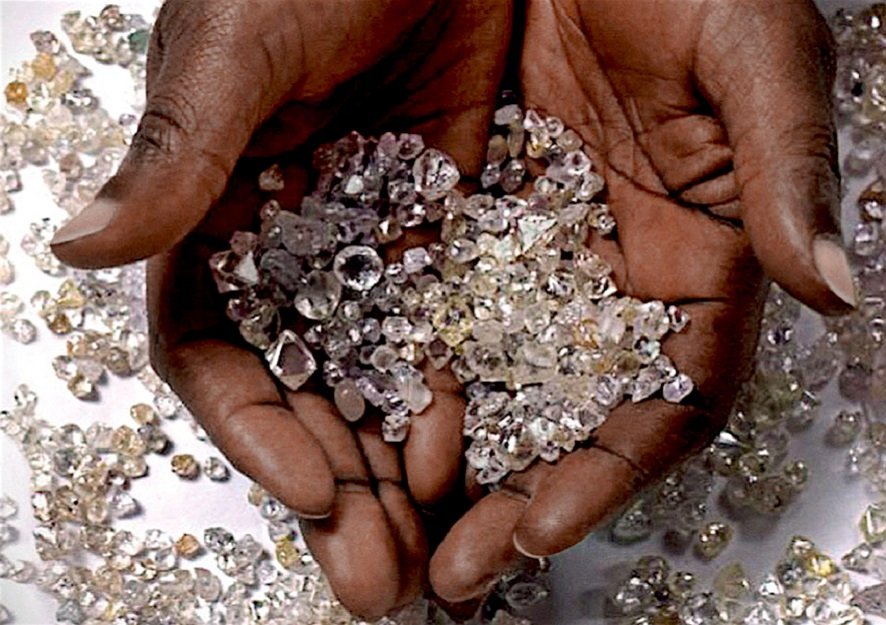
African diamonds (Courtesy Picture)
Diversification of economies
One of the key strategies for harnessing natural resources for socio-economic transformation is economic diversification. Many African economies are heavily dependent on a single resource, such as oil in Nigeria or diamonds in Botswana. This dependence makes them vulnerable to fluctuations in global commodity prices. As Sachs and Warner (1997) argue, diversifying the economy away from reliance on raw materials can help countries build resilience and foster inclusive growth.
For African countries to achieve diversification, they must invest in sectors beyond resource extraction, including agriculture, manufacturing, and services. Agriculture, in particular, remains a critical sector for most African economies, employing a large portion of the population. Investing in agricultural modernization, as well as in agri-business and food processing industries, can reduce poverty and improve food security. Rwanda’s transformation of its agricultural sector through initiatives like the Crop Intensification Program (CIP) has shown that targeted investments can boost productivity and raise rural incomes.
Furthermore, expanding the services sector, particularly in information and communications technology (ICT), presents another opportunity for economic diversification. African tech hubs in countries like Kenya and Nigeria are demonstrating the potential of digital innovation to drive economic growth. These hubs, often dubbed "Silicon Savannahs," offer a model for how African countries can harness human capital to complement natural resource wealth.
International partnerships and trade
Finally, international partnerships and trade agreements play an important role in harnessing Africa’s natural resources for development. China, for instance, has emerged as a major investor in African infrastructure and resource extraction. However, scholars like Professor Deborah Brautigam, an expert on China-Africa relations have warned of the risks associated with dependency on foreign investors, particularly when it comes to resource extraction. African countries must negotiate fairer trade deals and ensure that international partnerships benefit local economies.
The African Continental Free Trade Area (AfCFTA), which came into effect in 2021, offers a major opportunity for African countries to increase intra-African trade and reduce dependency on external markets. By lowering tariffs and removing trade barriers, AfCFTA could promote the development of regional value chains and increase the bargaining power of African nations in the global market. As Professor Carlos Lopes of the University of Cape Town argues, AfCFTA could be a game-changer for Africa, helping to create jobs, increase investment, and accelerate industrialization.
Africa’s natural resources represent a tremendous opportunity for socio-economic transformation, but realizing this potential requires overcoming significant challenges. Good governance, industrialization, sustainable development, economic diversification, and international partnerships are all critical components of a successful strategy to harness natural resources for development. As African scholars and policymakers continue to push for reforms and innovations, the continent can turn its resource wealth into a foundation for sustainable growth and prosperity. By learning from past mistakes and building inclusive institutions, African countries can ensure that their natural resources contribute to the long-term well-being of their citizens.
The writer is a Doctoral student scholar and a Pan-Africanist