Written By | Staff Writer
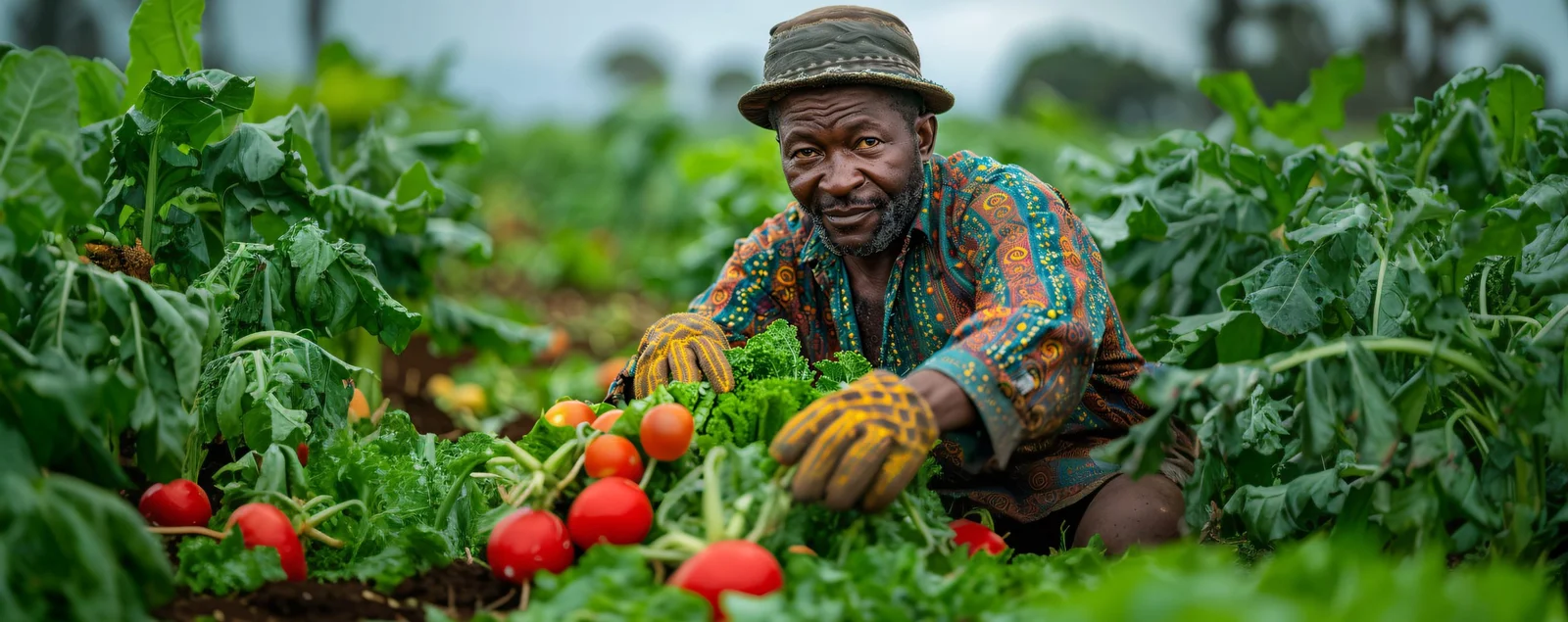
New sector statistics show certified organic farmers have more than tripled since 2018. Exports have grown more slowly, and the gap says a lot about what Uganda's organic sector needs next.
MARKETS AND TRADE
Agriculture
Uganda's organic farming sector has quietly grown into one of the country's most distinctive agricultural strengths. New statistics released on Friday 16 October, at the launch of Africa's first Organic and Nature Expo (ONE Expo 2026), put numbers on that growth. They also, read carefully, expose a challenge that headline celebration can obscure: more certified farmers are not automatically producing proportionally more export income.
The figures come from the Uganda Organic Agriculture Sector Statistics 2021 to 2025, as reported by Nile Post. They estimate that Uganda had about 744,288 certified organic farmers in 2025, up from 211,584 in 2018, an average annual growth rate of 19.7 percent. Certified organic farmland reached approximately 930,360 hectares. Organic exports were estimated at $225.7 million in 2025, compared with $123.3 million in 2018. The number of certified organic operators, the businesses and groups that handle certification, processing and export, rose from 65 to 439, an increase of 575 percent. In all, 493 actors are active across 58 districts, offering 95 distinct products in 403 variants across 11 categories.
Reading the numbers
The farmer count has multiplied about 3.5 times since 2018. Exports, by contrast, are up about 83 percent over the same period, equivalent to compound growth of roughly 9 percent a year. A back-of-envelope calculation using the reported figures shows the consequence. In 2018, exported organic value works out to about $583 per certified farmer. In 2025 it is about $303. These are rough averages that assume all reported export value is divided across all certified farmers, and they should not be read as actual farm incomes, since much of the value is captured by processors, exporters and traders and many certified farmers sell mainly into local markets. Even so, the direction is hard to miss. Certification has expanded much faster than the export value it is meant to unlock.
Land tells a similar story. At about 930,000 hectares, the average certified holding comes to roughly 1.25 hectares per farmer, consistent with Uganda's smallholder structure. Export value per certified hectare is therefore in the region of $240. For comparison, a single month of conventional coffee exports can rival it: Uganda earned $181.7 million from coffee in August 2026 alone, according to a Reuters report, meaning organic exports for a full year amount to roughly 1.2 months at that rate. That comparison is imperfect because coffee itself may be partly organic, but it gives a sense of scale.
The reasons for a widening gap are not spelled out in the data, and that is worth saying plainly. Several explanations are plausible. Newly certified farmers may take time to reach export-grade volumes and quality. Group certification schemes may enrol many farmers who sell only a portion of their harvest as organic. Some organic produce may be sold domestically or without a premium. The statistics themselves cannot settle which of these dominates, which is one reason the sector needs better data on actual farm-level sales and premiums.
What the sector says
Chariton Namuwoza, chief executive of the National Organic Agricultural Movement of Uganda (NOGAMU), said "organic agriculture is one of Uganda's strongest positions in global trade." NOGAMU is organising the expo with the Ministry of Agriculture, Animal Industry and Fisheries, the African Organic Network (AfrONet) and other partners. The expo runs from 4 to 7 November at Hotel Africana in Kampala alongside the fifth National Organic Week, with more than 2,000 participants expected, including producers, processors, exporters, buyers, investors, financiers, development partners and policymakers from across Africa.
The programme includes a conference on organic and regenerative agriculture, business-to-business meetings, a regenerative coffee day, exhibitions, and tours of farms, value-addition centres, and processing and cooperative enterprises. The theme is "Competitive Partnerships: Organic and Regenerative Innovations: Africa's Edge." The organisers say the aim is to connect producers and businesses with markets, financing, technology and partnerships.
One caution is due. The Nile Post headline says Uganda leads Africa in certified organic farmland, but the article does not present cross-country data to support that ranking, so it is best treated as a claim by the sector until it is verified against continental statistics.
Policy: the bill in the background
The statistics are expected to inform policymakers as Uganda develops a National Organic Agriculture Bill. The legislation has been under discussion for some time; in 2024, stakeholders were already warning that a delayed bill could affect the country's exports. A national law could matter in several practical ways: setting a consistent legal definition of organic, clarifying who inspects and certifies, protecting buyers and farmers from fraudulent labelling, and potentially making it easier to win recognition for Ugandan standards in foreign markets. Without such a framework, exporters depend heavily on private and foreign certification, which adds cost and complexity for small producers.
The timing is also relevant to wider farm policy. The government is promoting fertiliser distribution, agro-industrialisation and input subsidies, and the Agroecology movement held its own national festival in Soroti on 15 and 16 October. Organic and regenerative approaches sit within that same debate about how Uganda should intensify production: through more imported inputs, through lower-input practices, or through a mix. With fertiliser costs under pressure from the weaker shilling and global supply disruption, farming systems that reduce reliance on purchased inputs have an obvious appeal, although organic yields, labour demands and the cost of certification must be weighed honestly.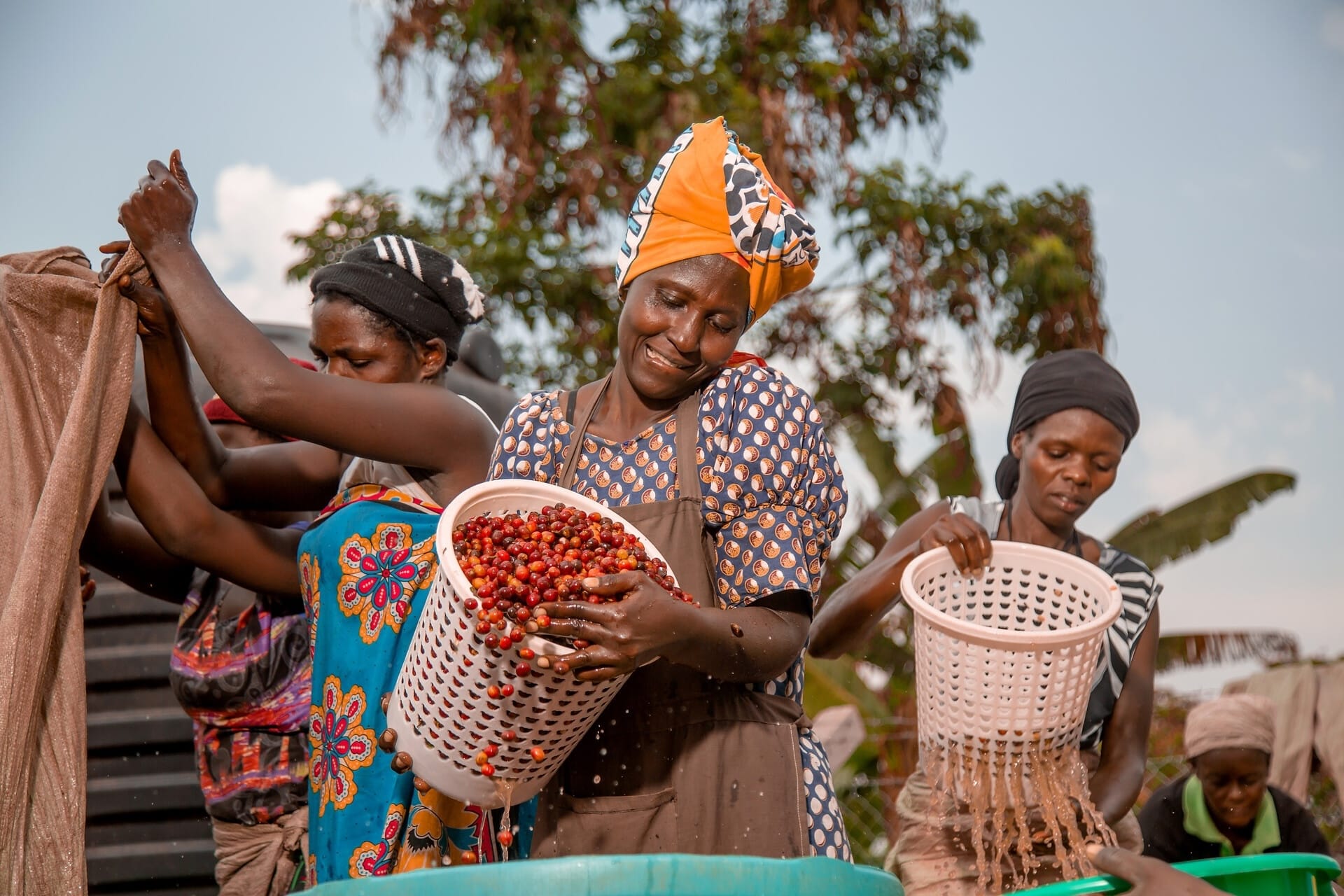
Implications for farmers and the economy
For farmers, the main message is that certification alone is not a business model. Organic status earns a premium only when it is attached to reliable volumes, consistent quality, a contracted buyer and good records. Cooperatives and exporters that aggregate produce, manage internal control systems and negotiate with buyers are therefore central. The jump in certified operators from 65 to 439 suggests that the aggregation layer is growing quickly; the question is whether it is deepening relationships with farmers or merely adding paperwork.
For the wider economy, $225.7 million is a modest slice of agricultural export earnings, but it comes from a farmer base of several hundred thousand households spread across 58 districts, which makes it unusually inclusive. Raising the value per farmer, even modestly, would carry a larger development payoff than the same absolute increase in a more concentrated commodity chain. Value addition is the obvious route, as is moving up from raw products to processed, packaged and branded goods, a challenge the government and exporters already face in coffee and other crops.
What to watch
The expo in November is the first test. Buyers, financiers and policymakers will be in the room, and the sector has an opportunity to turn broad statistics into specific commitments: forward contracts, credit lines for certification and processing, and a timetable for the National Organic Agriculture Bill. A second test is data. If future releases report premiums, volumes by product and farmer-level sales alongside headcounts, the sector will be able to show whether growth is deepening or only widening. A third is regional comparison, so that claims about continental leadership can be checked.
Uganda's organic story is real and impressive in scale. Its next chapter depends on converting a large base of certified farmers into a higher and steadier flow of income. The numbers released this week suggest the foundation is there. They also suggest that the harder work lies in markets, not in certificates.



