The UN climate talks in Türkiye missed their Friday deadline as nearly 200 countries deadlocked over a text that no longer mentions fossil fuels and has dropped a $120 billion adaptation target. Panama and a European-led bloc threaten to block it; Australia is racing to produce a third draft.
World Politics
Talks Spill Past the Deadline
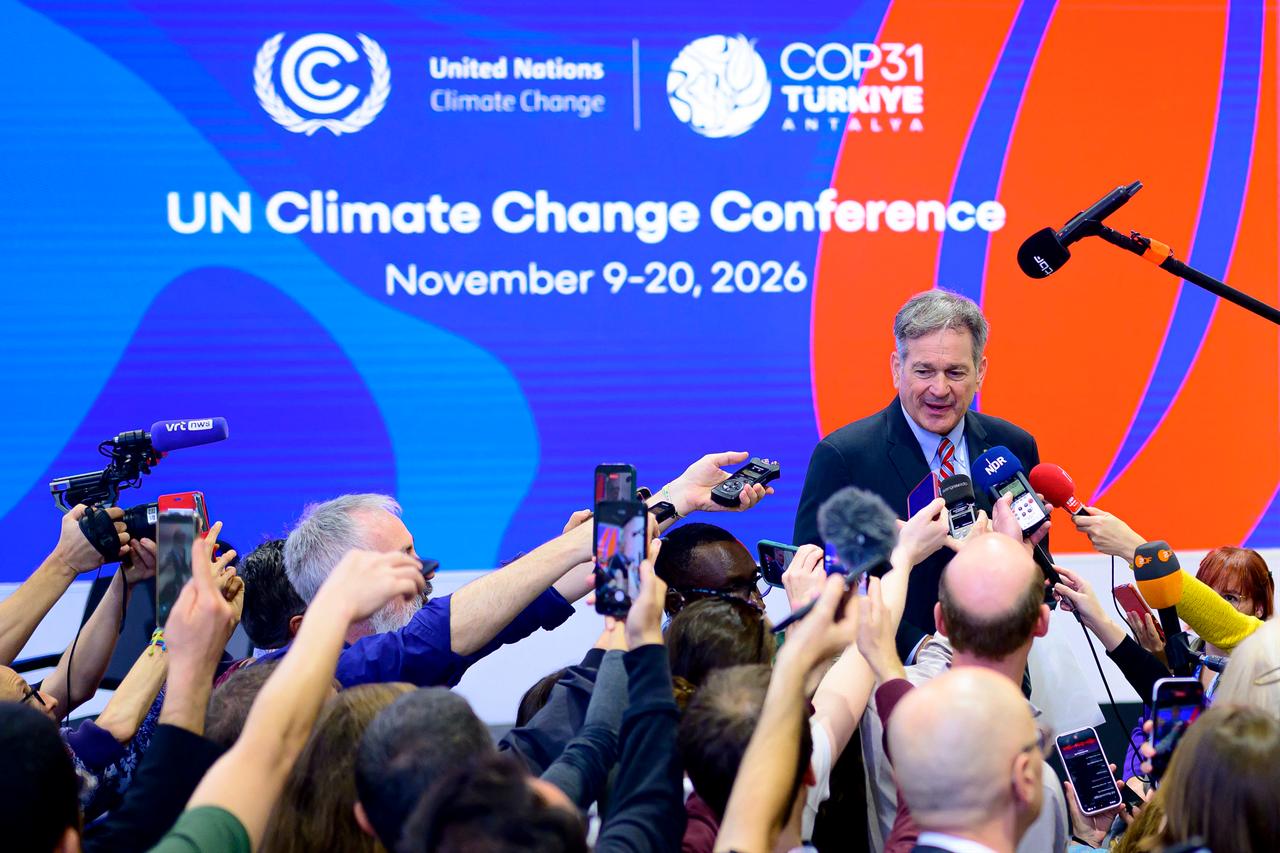
The United Nations climate summit in Antalya, Türkiye, was supposed to end on Friday, 20 November 2026. Instead, after two weeks of negotiations, COP31 President Murat Kurum suspended the closing plenary at 10:29 pm local time with the central political agreement still unresolved, and delegates worked through the night into Saturday. The dispute at the heart of the impasse is stark: the latest draft of the summit's cover decision, informally known as the “Antalya Accord,” contains no reference to fossil fuels at all.
“We are close to the finish line, but we are not there yet,” Kurum, Türkiye's environment minister, told delegates. Before suspending the session, the plenary adopted a set of already-finalised technical decisions, including on carbon markets under Article 6 of the Paris Agreement and on least developed countries, and confirmed that Ethiopia will host COP32 in Addis Ababa in 2027, according to The Climate Watch. But the broader package, which determines what message the world's governments send about the pace of the energy transition, remained deadlocked as of Saturday morning.
The outcome is now hanging on a third draft, which Kurum said would be released on Saturday. Whether it restores fossil fuel language, and whether the oil-producing states that pushed it out will accept that, will decide if Antalya ends in consensus, collapse or a weak compromise.

Background: An Unusual Presidency and a Harsh Backdrop
COP31 has had an unusual structure from the start. Australia and Türkiye both bid to host the 2026 conference, and a compromise reached in November 2025 gave the venue and presidency to Türkiye while Australia took charge of the negotiations. Australia's climate minister, Chris Bowen, serves as vice-president and “President of Negotiations,” and has spent the final days shuttling between delegations. He said he would work “for as long as it takes, to get the job done,” according to AFP.
The summit opened on 9 November against a grim backdrop. A UN report last month found the world is on course to pass the 1.5°C warming limit set in the Paris Agreement. The United States, the largest historical emitter, is absent for a second consecutive year after President Donald Trump ended American climate cooperation. And global attention has been pulled elsewhere by the US-Israel war with Iran, which has disrupted shipping through the Strait of Hormuz and driven an oil-price shock, as well as by cost-of-living pressures and what AFP described as a super El Niño.
The fight over fossil fuel language is not new. At COP28 in Dubai in 2023, governments agreed for the first time to “transition away from fossil fuels in energy systems,” language that major producers resisted fiercely. Many countries came to Antalya expecting to build on that commitment with concrete timelines. Instead, they find themselves fighting to keep the subject in the text at all.
How the Fossil Fuel Language Disappeared
The negotiating text has changed sharply over the past week. Australia's opening draft, released on Monday, called for a faster phase-out of fossil fuels. By Thursday, a slimmer second version had removed every mention of fossil fuels. Al Jazeera reported that this followed objections from Saudi Arabia and other major oil and gas producers; AFP noted that producers such as Saudi Arabia have fiercely resisted such calls, though no Saudi statement on the specific draft has been published. Adding to developing countries' suspicion, OPEC Secretary General Haitham Al Ghais publicised a meeting with Russia's climate envoy, Ruslan Edelgeriev, during the talks.
The Thursday draft also dropped a proposed target of providing $120 billion a year by 2035 to help poorer countries adapt to climate change, although, according to The Climate Watch, a broader proposal to triple adaptation finance by 2035 remained. AFP reported that the removal “angered developing nations.” UN Secretary-General António Guterres has urged that adaptation funding triple by 2035, insisting that “polluters must pay.”
Other provisions are also contested. The draft sets a target for electricity to meet 35 per cent of final energy demand by 2035, but does not require that electricity to be renewable, and some countries want the word “clean” added. Several paragraphs promote carbon capture, which France's climate ambassador Monique Barbut highlighted and which vulnerable states reject as costly and unproven. “We want to see the references to false solutions removed,” said Vanuatu's climate minister, Ralph Regenvanu. According to AFP, the latest text expresses “deep concern” about breaching 1.5°C but drops a call to return below that threshold “as soon as possible this century.”
A Coalition Threatens to Block
Opposition to the pared-down draft has coalesced around a group led by France and Panama that also includes Belgium, Côte d'Ivoire, Finland, Greece, Guatemala, Spain, Sweden and Vanuatu, according to UN News. The group said the agreement on the table “is not good enough.” A dozen European and developing countries, ranging from France to Panama and the Solomon Islands, signed a letter demanding “a clear transition away from fossil fuels.”
Panama has gone furthest. Its environment minister, Juan Carlos Navarro, said his country would formally object to any agreement that omits fossil fuels, and accused a “petroleum mafia” of blocking progress, according to AFP. “It is not acceptable to have a COP or a cover document that does not even mention fossil fuels,” he said. Because COP decisions are taken by consensus, a single formal objection can, in principle, prevent adoption, giving Panama and its allies significant leverage in the final hours.
The European Union, the largest bloc of developed-country negotiators, warned that the draft “risks turning this climate COP into a fossil summit.” Developing countries have pushed equally hard on money. “We didn't come here to beg,” said Ghana's environment minister, Zanetor Agyeman-Rawlings, a line that became one of the summit's rallying cries. On the question of a just transition for workers and communities, Australia proposed a phased approach, with governance arrangements to be developed at the UN's subsidiary body sessions in June 2027, according to The Climate Watch; a separate periodic review of the long-term global goal ended on Friday without agreement on whether to continue it.
Reactions: “The Worst COP Ever”
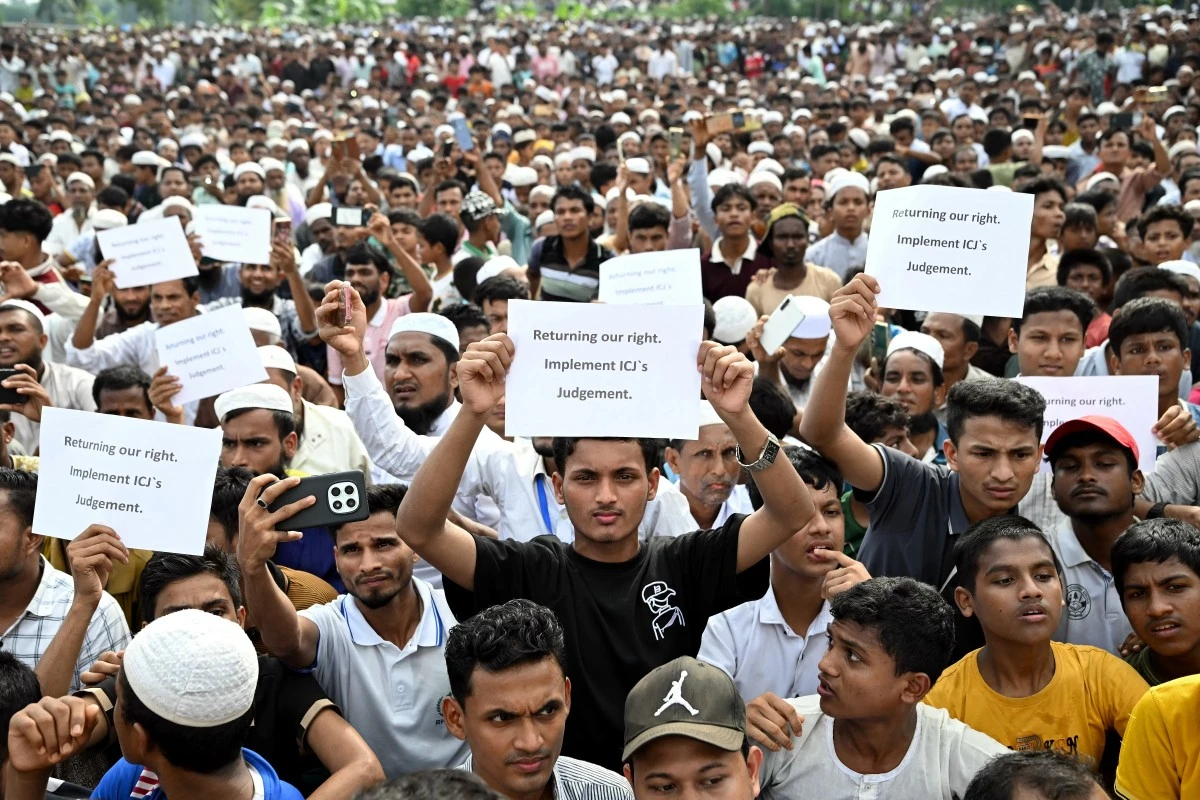
Civil society groups have been scathing. “This has been the worst COP ever,” said Mohamed Adow, director of the Nairobi-based think tank Power Shift Africa. Climate Action Network said: “There is nothing on the table that protects people.” Environmental organisations have broadly accused the summit of lacking ambition at the very moment scientists say emissions must fall fastest.
Tension spilled into the plenary hall on Friday night when a protester from the Artivist Network interrupted Kurum's opening address. Accounts differ on what she said and what followed: AFP quoted her shouting “You are killing the future!” and said she was escorted from the hall, while The Climate Watch reported a longer outburst and said she was detained. The incident underscored the frustration among activists who see the talks backsliding from commitments made in Dubai two years ago.
Diplomatically, the hosts face a delicate balancing act. Türkiye, as presidency, wants a successful outcome to cement its profile as a bridge between regions, while Australia, which controls the negotiating pen, must reconcile its opening ambition with the reality that oil and gas producers can also block consensus. With Washington absent, there is no US delegation to broker the kind of last-minute bargains that shaped earlier COPs, leaving the EU, China and the large emerging economies as the decisive players.
What's Next
Everything now turns on the third draft. If it restores language on transitioning away from fossil fuels, the Panama-France group is likely to accept it, but Saudi Arabia and its allies may resist. If it does not, Panama has promised a formal objection, which could leave the summit without a cover decision. A third possibility, common at past COPs, is compromise wording that references earlier commitments, such as the COP28 consensus, without adding new timelines. That would let the summit close, but would confirm critics' fears that momentum has stalled.
The fate of the $120 billion adaptation target is equally important for developing countries, many of which judge a COP's success less by mitigation language than by money for coping with floods, droughts and rising seas. Even if Antalya ends in agreement, it will do so with the world's largest economy absent, with an oil-price shock tied to war in the Gulf, and with scientists warning that the 1.5°C limit is slipping out of reach. The baton will pass to Ethiopia, the next host, which will inherit whatever unresolved fights Antalya leaves behind. As of Saturday morning, the outcome had not been decided; this article reflects reporting up to that point, and readers should check for updates on whether a final text was adopted.
Published By | News Editor