CDC data show 2.6 million illnesses, 36,000 hospitalizations and five children dead already. The season arrived weeks ahead of schedule, and doctors say the holiday rush is about to pour fuel on the fire.
ATLANTA
America is packing its bags for Thanksgiving, and the flu is coming along for the ride. Just days before the busiest travel week of the year, the nation's influenza season has roared to life far earlier than usual. A swine-flu-descended strain of H1N1 is driving it, and it has already put tens of thousands of Americans in hospital beds. The latest federal figures show seven states at high or very high flu activity, more than one in nine lab samples testing positive, and five children dead before the season has even reached its usual starting line.
"If you haven't been vaccinated, you should get vaccinated now," said Dr. Fred Lopez, an infectious diseases specialist at LSU Health Sciences Center in New Orleans, whose home state of Louisiana sits at the very top of the national danger map. The virus, he warned, "is taking off" and is "only likely to increase in the next month or two."
The numbers nobody wanted to see
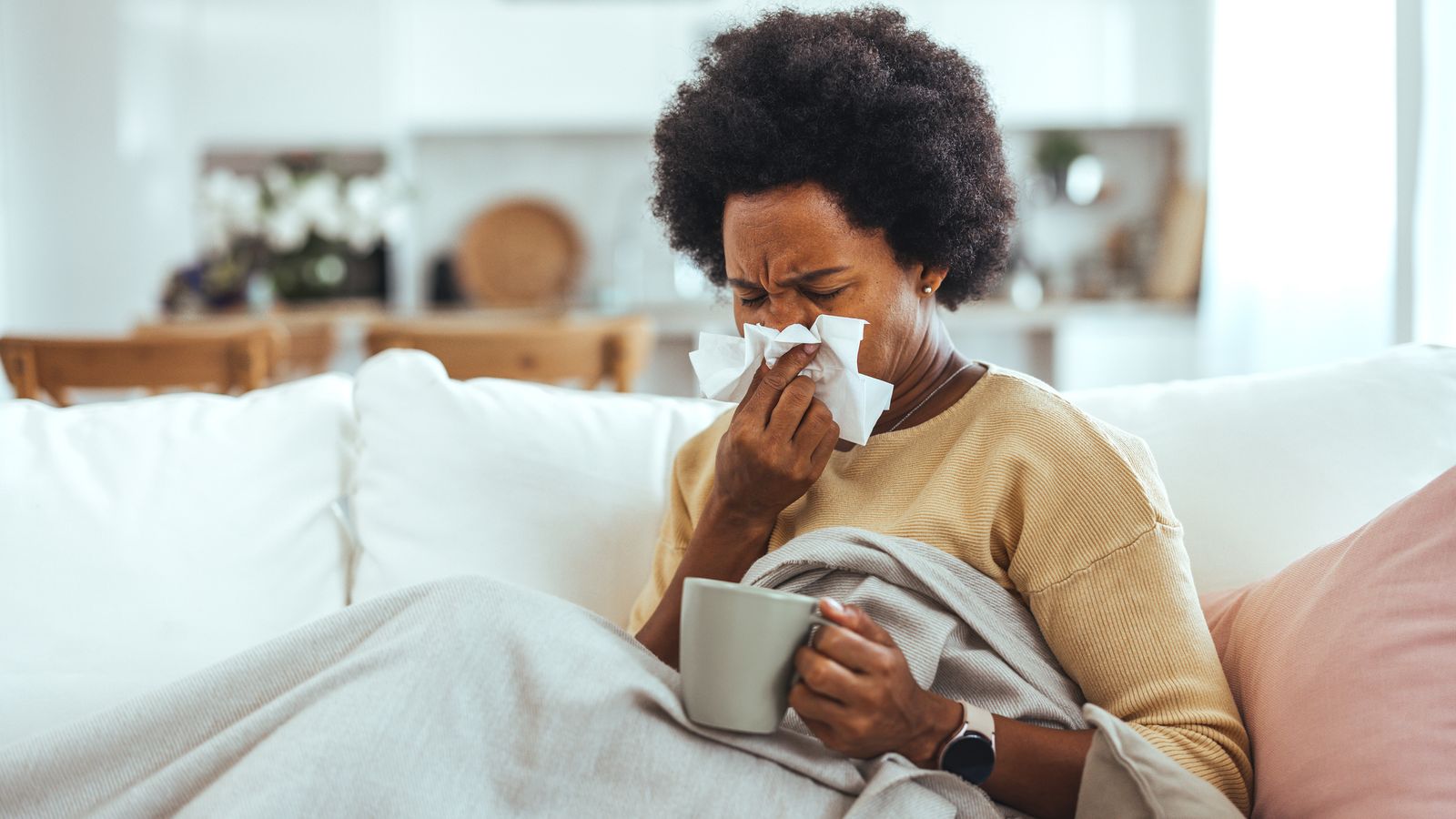
The Centers for Disease Control and Prevention's latest weekly FluView report, covering the week ending November 7 and updated on November 20, reads like a weather warning for a storm that has already made landfall.
In that single week, 11.3% of the 52,287 specimens tested by clinical labs came back positive for influenza. That is up from 9.1% just one week earlier. Since the season's official start on October 4, CDC-tracked labs have logged more than 24,000 positive flu tests.
Doctors' offices are feeling it too. Flu-like illness accounted for 3.2% of outpatient visits nationwide. That pushed past the national baseline of 2.9%, the line health officials use to say the season has truly begun. Emergency rooms are seeing it as well: 2.2% of ER visits now end with a flu diagnosis, and that share is still climbing.
Most alarming is how fast the map has changed color. In the week ending October 31, only two jurisdictions were at "high" flu activity. A week later, the number jumped to seven: one "very high" and six "high." According to the Associated Press and CDC mapping, the states lit up were California, Louisiana, Oregon, South Carolina, Tennessee, Texas and Washington, with Louisiana in the deepest shade of red. Drill down to metro areas and the picture is starker still: CDC counted eight metro areas at very high activity and 37 more at high.
Put it all together and the CDC now estimates that, so far this season, at least 2.6 million Americans have caught the flu, at least 36,000 have been hospitalized and at least 2,100 have died. One week earlier, those estimates stood at 1.7 million illnesses, 25,000 hospitalizations and 1,400 deaths. In seven days, the country added roughly 900,000 illnesses, 11,000 hospital stays and 700 deaths.
Five young lives already lost
Behind the statistics are the families who have suffered the worst outcome of all. The CDC has confirmed five pediatric flu deaths for the 2026-27 season, two of them reported in the latest week alone.
That number carries a grim shadow. Last season, which surged in late December and which New York City officials called the most intense in 20 years, ended with 202 children dead from the flu, according to CDC records. Last season's surge also produced an estimated 32 million illnesses, 380,000 hospitalizations and 24,000 deaths nationwide.
Older Americans are bearing the brunt of hospital admissions this time around. Among people 65 and older, the cumulative hospitalization rate in CDC's FluSurv-NET network has reached 28 per 100,000, far above any other age group.
Meet the culprit: H1N1 is back in charge
This season has a clear ringleader. Nearly every flu virus being typed by public health laboratories is influenza A(H1N1)pdm09, the descendant of the 2009 pandemic "swine flu." In the latest CDC week, 455 of 460 subtyped influenza A viruses, or 98.9%, were H1N1. The H3N2 strain that dominated headlines last winter made up just 1.1%.
Genetic sequencing shows most of the H1N1 viruses belong to a subclade known as D.3.1.1. CDC scientists have noted that this group has been splitting into branches with different changes to the hemagglutinin protein, the part of the virus the immune system learns to recognize. The agency says it is "too early to know what viruses may predominate or to say whether there might be implications on flu vaccine effectiveness."
The early wave was first picked up on the West Coast and swept through the South and West, according to reporting by the AP and Latin Times. By mid-October, Dr. Anna Durbin of Johns Hopkins University told the AP, the flu hospitalization rate was the highest for that point in the fall in more than 15 years.
Good news in the vaccine vial
There is a silver lining, and it comes in a syringe. Laboratory testing shows this year's vaccine appears well matched to what is circulating. In CDC antigenic testing, 95.2% of H1N1 viruses checked were well recognized by antibodies raised against the vaccine's H1N1 component. Every H3N2 and B/Victoria virus tested also matched.
Dr. Andrew Pekosz, an immunologist at Johns Hopkins University, told the AP that the current shot "can recognize" the circulating H1N1. "Right now there is no cause for concern," he said, while noting that real-world vaccine effectiveness won't be known until later in the season.
Antiviral drugs are holding up, too. Of 758 viruses tested, only eight, or about 1.1%, showed reduced susceptibility to oseltamivir (Tamiflu). None showed reduced susceptibility to baloxavir (Xofluza).
And despite the early surge, the CDC's preliminary severity assessment remains "low" for children, adults and older adults. The agency is careful to add that this could change as activity rises.
Early does not automatically mean worse, but it can mean longer
Health officials are trying to strike a careful balance between urgency and panic. In its weekly update, the CDC said flu activity is "higher than typically observed at this time of year," but stressed that an early increase "does not necessarily lead to a higher seasonal peak or greater overall severity." Some experts worry that an early start opens the door to a long, drawn-out winter. Dr. Alexander Greninger of UW Medicine, who tracks the virus's genetic and geographic spread, told Latin Times he would not be surprised by a second wave, with H1N1 peaking this fall and "who knows what arrives in January, February, or March."
The CDC's own forecasting network, FluSight, expects things to get worse before they get better. For the week ending November 28, the day after Thanksgiving, it predicts between 8,300 and 34,400 new flu hospital admissions nationwide, and says flu could account for anywhere from 1.8% to 7.7% of emergency room visits.
Louisiana: ground zero
Why has Louisiana been hit so hard, so early? Dr. Lopez pointed to a painful mix: lower-than-average vaccination rates, high poverty and gaps in access to health care. When a fast-spreading virus meets a population with less protection and fewer doctors, he told the AP, the results show up quickly in emergency rooms.
His advice to anyone who has already had a bout of flu this fall is blunt: get the shot anyway. More than one strain circulates in a season, and protection against one doesn't guarantee protection against the others. The only time to hold off, he said, is during a significant acute illness.
The Thanksgiving factor
Millions of Americans are about to squeeze into airports, train stations and highway rest stops. Then they will crowd around dinner tables with grandparents, babies and relatives with chronic illnesses. Every one of those settings is ideal for a respiratory virus.
"As we prepare to gather with family and friends over the upcoming holidays, getting vaccinated is especially important," Dr. Nicole Iovine, an infectious disease specialist affiliated with the University of Florida, said in a statement to the AP.
Timing matters. The flu shot takes about two weeks to build full protection, so a shot today will be nearly at full strength by early December, too late for the turkey but in time for the rest of the holiday season. That is why doctors say the window for the best protection is narrowing every week.
Dr. Stephanie Widmer, a New York City emergency physician, told Fox News the early spike was "a bit concerning" with the holidays ahead. She urged people to wash their hands often, stay home when sick and seek antiviral treatment quickly, since the drugs work best when started within 48 hours of symptoms.
Expert perspective
The experts quoted across this week's coverage are saying the same thing in different words: this is an early season, not yet a catastrophic one, and the tools to blunt it are already on pharmacy shelves.
The good vaccine match, low severity rating and solid antiviral susceptibility are all reassuring signals. The rapid rise in positivity, the jump from two to seven high-activity states in a single week, the five pediatric deaths and the coming wave of holiday travel are all reasons not to wait.
As Dr. Pekosz put it, there is "no cause for concern" right now about whether the vaccine matches the virus. The concern is whether enough people will roll up their sleeves before the virus finds them.
A bird flu footnote
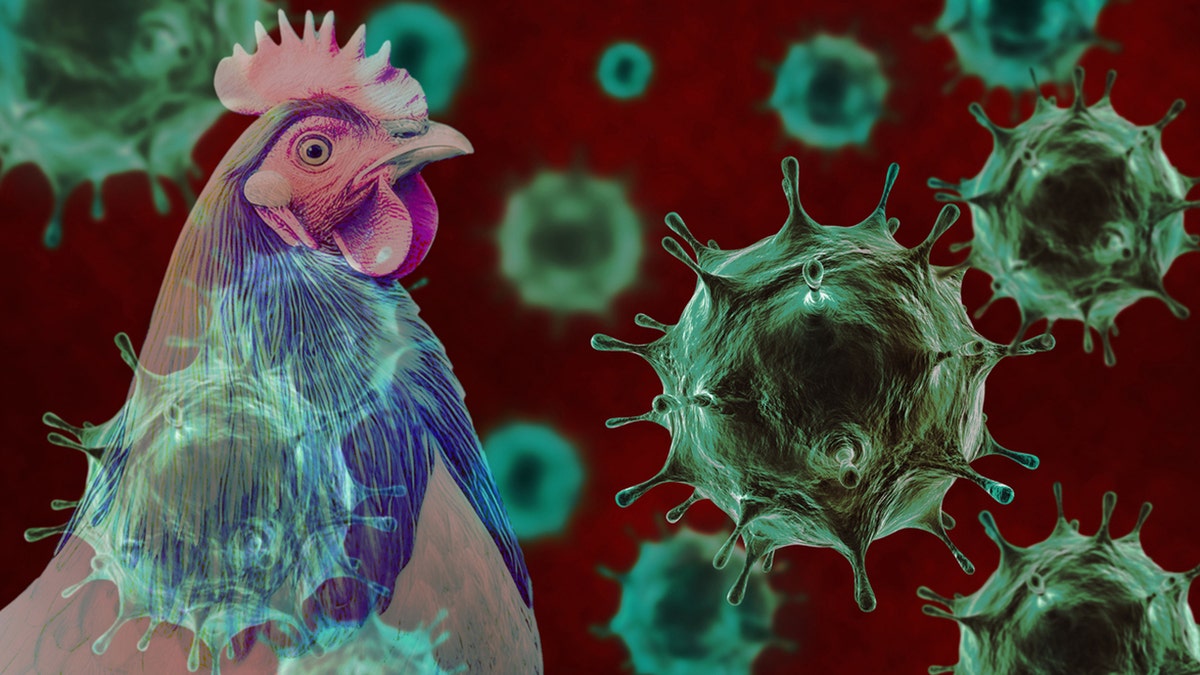
The surge is unfolding against the backdrop of continued vigilance over H5 avian influenza. Earlier this fall, the CDC reported confirmed H5 infections among Washington State dairy-farm workers, including one death. As of the latest report, no new human novel flu infections had been confirmed, and the CDC says no human-to-human spread of H5 has been identified in the U.S. Officials say the seasonal surge is the much bigger threat to most households right now.
What this means for you
Get vaccinated now if you haven't. Flu shots are recommended for everyone six months and older. They are available at most pharmacies and doctors' offices, often at no cost with insurance. It takes about two weeks to reach full protection.
Know the warning signs. Flu often hits suddenly, with fever, chills, body aches, cough, sore throat and exhaustion. Trouble breathing, chest pain, confusion, or a fever that improves and then returns are emergencies.
Act fast if you're high risk. Adults 65 and older, young children, pregnant people and anyone with chronic conditions such as asthma, diabetes or heart disease should call a doctor promptly if symptoms start. Antivirals like oseltamivir work best within the first 48 hours.
Protect the Thanksgiving table. If you're sick, stay home, even if it means missing the holiday. Wash hands often, cover coughs, and consider extra caution around newborns and frail elderly relatives.
Don't assume you're safe because you already had the flu. More than one strain circulates, and doctors say a shot is still worthwhile.
The bottom line
The 2026-27 flu season did not wait for winter. With H1N1 surging across the South and West, seven states already in the red and thousands of new hospitalizations every week, the virus has a head start on the holidays.
The CDC insists an early season is not necessarily a worse one, and the vaccine looks like a good match. But the next two weeks, when tens of millions of Americans travel and gather, will go a long way toward deciding whether this becomes a manageable autumn flu wave or the start of a long and punishing winter. The message from doctors could not be simpler: the flu is already here, and the shot still works.
Published By | Health News Editor