Written By | Business Experts
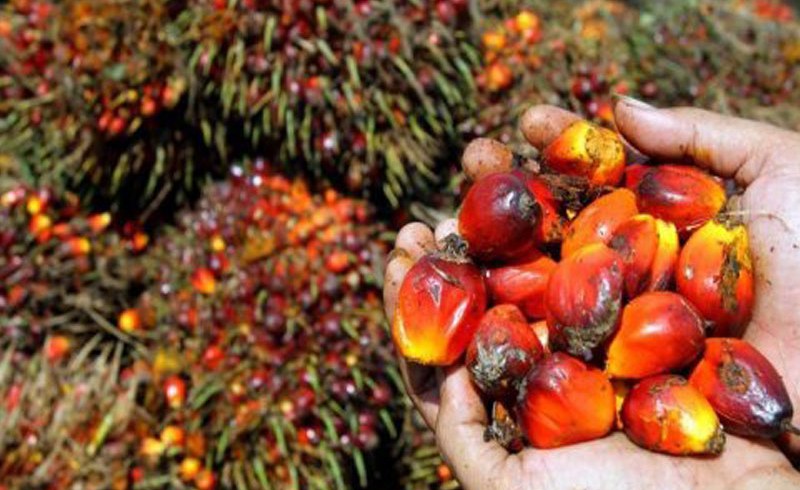
Palm oil is an input into noodles, margarine, soap, cosmetics, animal feed and, increasingly, biodiesel
Economic & Social Transformation
The oil palm is native to the forest belt of West and Central Africa. For much of the twentieth century Nigeria was the world's leading exporter of palm produce, and palm oil remains the default cooking fat in kitchens from Lagos to Douala. Yet in 2026 the region is a net importer of a commodity it gave the world. Nigeria now buys hundreds of millions of dollars' worth of palm oil a year, largely from Malaysia. Cameroon and Ghana run persistent deficits. Even Côte d'Ivoire, the region's most organised producer, is struggling to grow output fast enough to serve a booming regional market.
This is no longer a story only about agriculture. Palm oil is an input into noodles, margarine, soap, cosmetics, animal feed and, increasingly, biodiesel. When a country imports it, it imports a slice of its food inflation, spends scarce foreign exchange and gives away rural jobs. This year three things have pushed the issue up the policy agenda: a wave of national strategies, a sharp rise in import bills, and the European Union's deforestation regulation (EUDR), which takes effect at the end of December. This article looks at why the deficit persists, what governments are now promising, and what would actually close the gap.
The size of the gap
Nigeria shows the problem most clearly. Estimates of the shortfall vary widely, which is itself part of the problem: the sector lacks reliable data. The US Department of Agriculture expects Nigerian palm oil output of about 1.5 million tonnes in 2026, unchanged from 2025, against consumption needs of about 1.95 million tonnes. Federal officials have cited domestic output of roughly 1.4 million tonnes against demand above 2.5 million tonnes, and an April 2026 stakeholder meeting put the deficit above 1.1 million tonnes. Industry voices quote figures up to 1.5 million tonnes. Industry figures also put the import bill for palm oil and derivatives at about US$600 million in 2025.
The bill is rising in naira terms. Crude palm oil import spending rose by roughly 487% year on year in the first half of 2026, to about ₦91.6 billion. Much of that rise reflects the weaker naira rather than a matching increase in volume. Trade data reported in September show crude palm oil imports worth about ₦68 billion in the second quarter alone, up from about ₦23 billion in the first. Notably, these Q2 cargoes came from regional neighbours: Liberia supplied about ₦51 billion, Côte d'Ivoire ₦15 billion and Ghana ₦2 billion. The USDA has historically put Malaysia's share of Nigerian imports at around 92%, with Ghana, Indonesia and Côte d'Ivoire supplying the rest. Large volumes also arrive informally across the borders with Benin, Togo and Cameroon and are never recorded.
The pattern repeats elsewhere. In Cameroon, deficit estimates range from about 300,000 tonnes to more than 700,000 tonnes a year, depending on the source. Imports fell 56% to 68,719 tonnes in 2024 after about 409,000 tonnes were brought in between 2017 and 2023, while the agriculture minister has spoken of 200,000–300,000 tonnes of palm olein imports a year. In Ghana, 2025 reporting put consumption above 250,000 tonnes against far lower domestic output. Other estimates differ sharply, partly because they define 'production' differently: industrial crude palm oil, artisanal red oil, or both.
Why the native crop lost its lead
The causes are well known, even if the solutions are hard to fund. More than 80% of Nigerian output comes from smallholders, and much of it from old, semi-wild groves of low-yielding dura palms rather than improved tenera hybrids. Yields in parts of the Nigerian and Cameroonian smallholder sector are a fraction of Malaysian estate levels. A large share of fruit is processed in small artisanal mills with low oil extraction rates and inconsistent quality. Adulteration is a recurring complaint in Nigeria. These problems keep local oil out of the industrial supply chains that make noodles, margarine and soap. One Nigerian industry advocate argues that almost all the industrial palm derivatives used by Nigerian manufacturers are imported.
Oil palm is also a patient crop. A newly planted palm takes three to four years to bear fruit and closer to seven to reach peak yield. That timeline clashes with high interest rates, insecure land tenure and the short horizons of agricultural credit. Replanting old groves means giving up income for several years, something few smallholders can afford without support. Large estates face their own constraints: community land disputes, the cost of certification, and investor nervousness about the reputational risk of deforestation.
Corporate results show the pressure even on established players. In Côte d'Ivoire, PALMCI, the largest producer and a subsidiary of the SIFCA group, reported 2025 revenue up 15% to XOF197.6 billion, while net profit fell to XOF15.5 billion as raw-material and personnel costs rose. First-quarter 2026 net profit fell 86% year on year to XOF1.6 billion, though the company said a backlog would clear in the second half. USDA's Abidjan office projects Ivorian crude palm oil output of about 600,000 tonnes in 2025/26 from roughly 400,000 hectares, enough to supply Ivorian refiners and a regional export trade but small next to the region's demand.
A wave of national strategies
Governments have responded with unusually ambitious plans this year. On 2 April 2026, Nigeria's Federal Ministry of Agriculture and Food Security validated the Oil Palm Development Policy and Strategy (2026–2050). It targets a 10% share of the global market, up to 2 million jobs within six years and self-sufficiency by 2050, with an aspiration to lift Nigeria from fifth to third among world producers. The plan includes:
Grower groups including the Oil Palm Growers Association of Nigeria and the Plantation Owners Forum of Nigeria have pledged to expand plantations by 1.5 million hectares by 2029. On the diplomatic front, Nigeria has observer status at the Council of Palm Oil Producing Countries (CPOPC), the Indonesia–Malaysia-led producer body. That status is due to end this month, and officials have been working towards full membership.
Ghana's 2026 budget introduced a National Policy on Integrated Oil Palm Development, which aims for self-sufficiency by 2032 and about 100,000 hectares of new plantings. The Tree Crops Development Authority (TCDA) is to implement it with the Oil Palm Research Institute and private partners. At a national roundtable in Accra on 12 August 2026, Food and Agriculture Minister Eric Opoku called for coordinated measures to reset the industry. He acknowledged that imports still fill a substantial gap. Since July 2025 the TCDA has required palm oil importers to register and obtain permits, and the Oil Palm Development Association of Ghana has demanded action against vegetable-oil smuggling.
Côte d'Ivoire unveiled a roughly US$440 million roadmap to revitalise its palm oil sector in October 2025, and a 2026–2035 agronomic research plan began in March 2026. In Cameroon, the government targets an extra 20,500 tonnes of crude palm oil in 2026. One analysis notes that even if fully achieved, this would offset less than 5% of the structural deficit. Socapalm says it will raise production capacity to 200,000 tonnes by end-2026 and has handed its Eseka plantation to Opalm, whose own programme is expected to add about 108,000 tonnes for local industry. In Liberia, where Golden Veroleum, Maryland Oil Palm and other concessionaires hold large land banks, the regulator LACRA and the companies agreed in September 2026 to set up a joint technical committee on royalties, quality control and export requirements. That kind of regulatory clarity has been missing.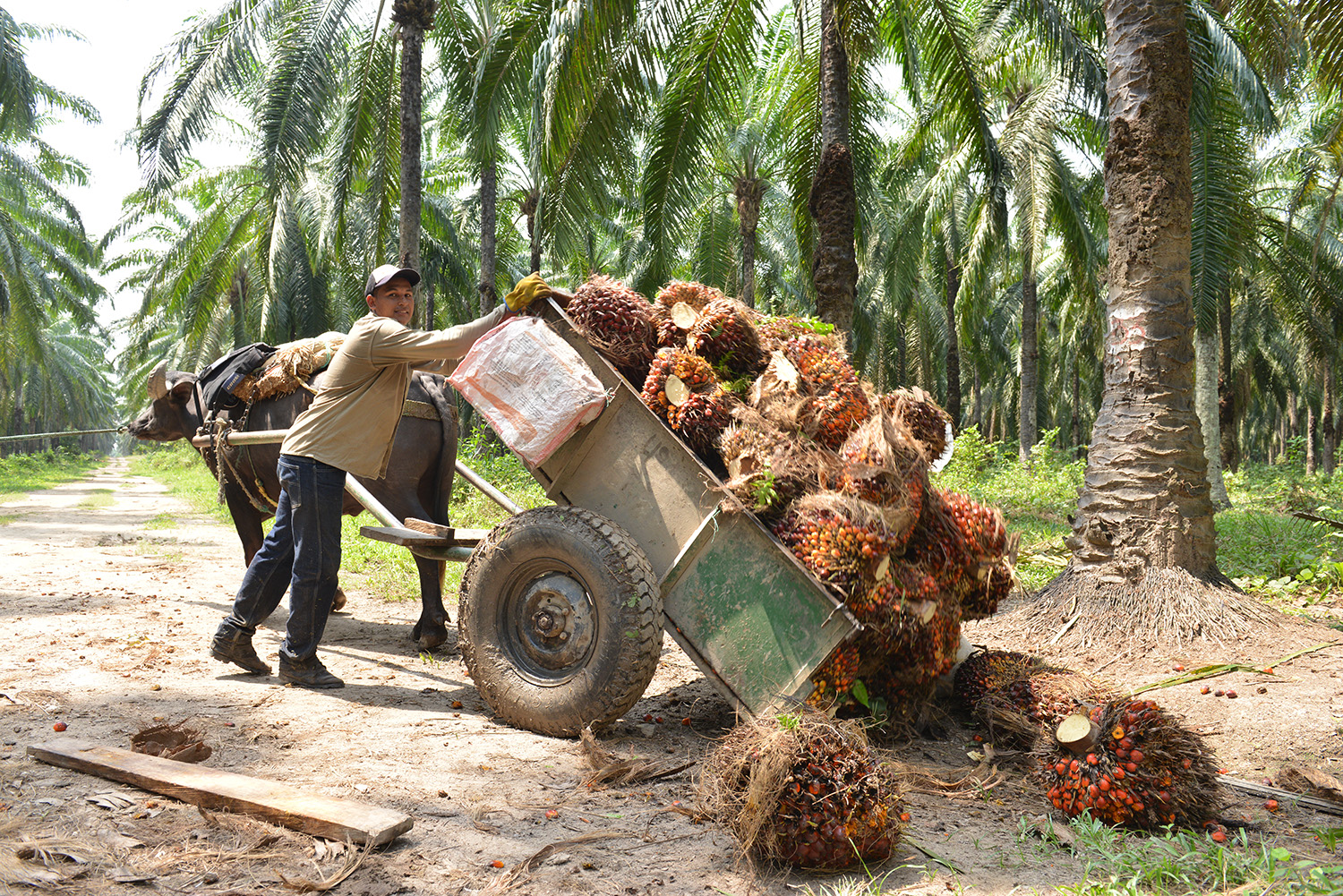
Global prices and the EUDR
External conditions offer both relief and risk. Malaysian crude palm oil futures traded around RM4,000–4,260 per tonne in mid-November 2026, and Malaysia cut its December reference price to RM4,259.70 from RM4,323.78. Prices are elevated by historical standards but have fallen short of industry forecasts made in October. A bigger structural shift is happening in Indonesia. Its B50 biodiesel mandate, in full implementation from 1 October, locks more palm oil into domestic fuel use and could over time reduce the exportable surplus that West African importers rely on. For import-dependent countries, that is a strategic argument for local production that goes beyond foreign-exchange savings.
The EUDR adds a second pressure. After two postponements, the European Commission's simplification review of 4 May 2026 did not reopen the legal text, and it confirmed application from 30 December 2026 for large and medium-sized operators and from 30 June 2027 for small and micro enterprises. The Commission estimates that the simplification measures cut annual compliance costs by about 75% compared with the original rules. Most West African palm oil is consumed within the region rather than exported to Europe, so the direct trade exposure is limited. The indirect effect matters more. Multinational buyers and refiners that serve both African and European markets are standardising traceability requirements, and development lenders are attaching similar conditions to plantation finance. Nigeria's NaPOTS and Liberia's quality-control talks should be read in that light. Traceability is becoming a condition of access to capital as well as to markets.
What would actually close the gap
Experience in Malaysia and Indonesia, and the mixed record of earlier African plantation projects, points to a few priorities that matter more than headline tree-planting targets:
Conclusion
West and Central Africa's palm oil deficit is a clear example of the region's broader structural problem: it has natural advantages but imports value-added products. The 2026 strategies are more detailed than earlier efforts. They include traceability systems, dedicated funds and producer-council diplomacy, and they arrive just as Indonesian biodiesel policy and European regulation are changing the global market. But the crop's biology punishes impatience. Trees planted under Nigeria's new strategy this year will not reach peak yield until the early 2030s. Success will depend less on the size of the targets than on whether governments can provide patient finance, reliable seedlings, better mills and credible data for the next decade.