Daily Politics
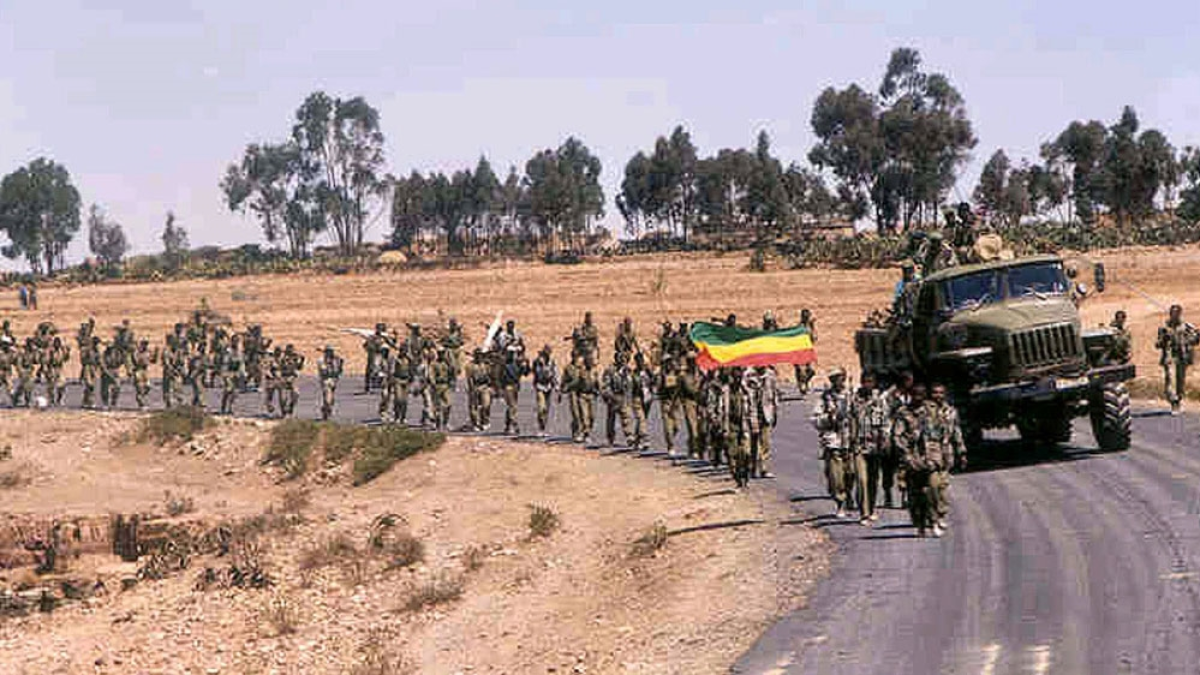
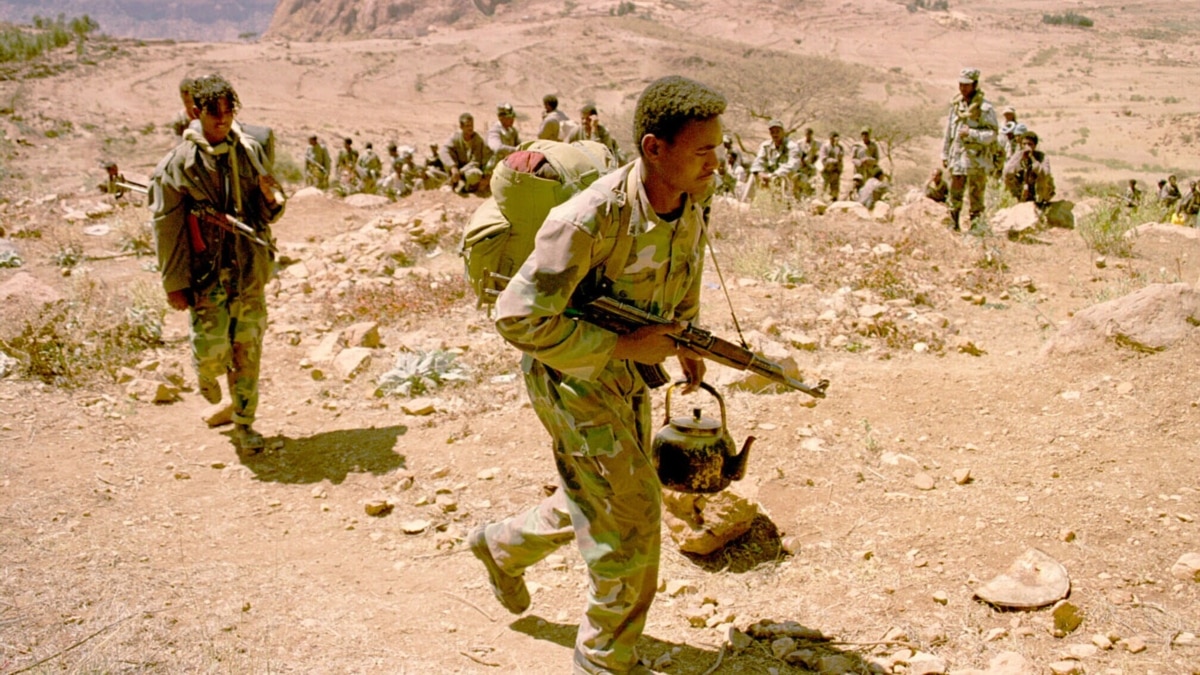
Ethiopia and Eritrea have massed forces along their shared border, conflict monitors and sources linked to rival Tigrayan armed groups told Reuters on Wednesday, raising the prospect that a two-month-old rebellion in northern Ethiopia could become a war between two states. The build-up centers on Badme, the small frontier town that set off the two countries' devastating 1998-2000 conflict.
The stakes extend well beyond the town. A direct war would engulf the Horn of Africa's most populous country and its Red Sea neighbor, alongside a vital shipping corridor and next to Sudan's civil war. Neither government has responded directly to the latest reports, and the most important facts on the ground remain disputed.

What the Monitors Are Reporting
The Armed Conflict Location & Event Data project, known as ACLED, said late Tuesday that artillery shelling and armed clashes have occurred near Badme since last week, as Ethiopia's military moved to clear Tigrayan rebels from the border area. ACLED reported that on Nov. 12 Ethiopian drones targeted likely Eritrean positions around Badme and that Eritrean forces fired artillery toward Ethiopian positions. The two armies clashed on the Ethiopian side of the border the following day, the group said.
If confirmed, those would be the first direct armed exchanges between the two militaries in more than a month. Reuters could not independently verify the reports, and its sources disagreed. A person close to the anti-government rebels described sporadic clashes without providing details. A person close to the Tigray Peace Force, a pro-government militia, said Ethiopian troops were pushing toward the border in pursuit of rebels but had not fought Eritrean forces.
Control of Badme itself has been contested in the reporting. The Critical Threats Project at the American Enterprise Institute noted claims that Ethiopian forces captured the town on Nov. 12, while ACLED reported on Nov. 13 that neither army held it. ACLED later reported that Eritrean forces had regained control by Nov. 15 and sent reinforcements toward Gomahalo, about 20 miles south of Badme. The Critical Threats Project said it had recorded no fighting around the town since that date, a pause that could signal either restraint or preparation.
The project also said two conflict trackers reported a widespread Eritrean mobilization on Nov. 14, including at the Sawa military complex, about 130 miles northwest of Badme. Satellite imagery showed increased activity there from Nov. 14 to Nov. 16, although analysts could not determine whether it involved personnel or equipment.
For civilians, the distinctions are academic. "The nights are terrible with loud explosions and heavy bombardments," a Badme resident told Addis Standard last week, describing growing displacement and shuttered markets.
How a Rebellion Reached the Border
The current crisis grew out of the unraveling of the November 2022 Pretoria agreement, which ended the two-year Tigray war. On Sept. 20, the Tigray People's Liberation Front and allied groups formed the Alliance for Survival, pledging to overthrow Prime Minister Abiy Ahmed's government and install a transitional administration, according to the U.S. Congressional Research Service. Major hostilities resumed three days later.
The rebels seized Tigray's airports in late September but withdrew from the regional capital, Mekele, in early October as federal and allied forces advanced. Addis Ababa then announced a six-month interim administration for the region. Federal troops captured the town of Sheraro, near the frontier, on Nov. 3, Addis Standard reported, carrying the campaign into the borderlands.
Eritrea's role is the central point of contention. Witnesses and the Ethiopian government said Eritrean forces crossed into Tigray in early October to support the rebels, and ACLED reported at the time that drone strikes it attributed to Ethiopia's military hit Eritrean troops. Eritrea denies any incursion and accuses Addis Ababa of seeking a pretext to invade. The two governments cut diplomatic ties that month.
The alignment is a striking reversal. Ethiopia and Eritrea signed a peace deal in 2018, and their armies fought together against Tigrayan forces in the 2020-2022 war.
Beneath the realignment lies a much older grievance. Ethiopia lost its coastline when Eritrea became independent in 1993, and Abiy has called the lack of sea access an existential problem. He says Ethiopia will pursue access peacefully, but Asmara regards his campaign as an implicit threat against its port of Assab. Ethiopia's navy commander, Adm. Kindu Gezu, said this month that gaining access by other means would be a last and unwanted option if diplomacy fails, according to BBC Amharic reporting cited by DNE Africa.
Badme carries its own symbolic weight. The 1998-2000 war killed tens of thousands of people, and a U.N. boundary commission later found the town to be Eritrean territory, a finding Ethiopia has at times challenged.
The War of Words
Both governments have hardened their rhetoric. Ethiopian army chief Birhanu Jula has accused Eritrea of leading the rebel offensive and sheltering TPLF leaders, and has accused Egypt of supplying the insurgents, according to the Critical Threats Project. Ethiopia has made similar accusations against Sudan. Eritrea, Egypt and Sudan all deny backing the rebels.
Eritrean Information Minister Yemane Gebremeskel has denied that Eritrean troops are in Ethiopia and dismissed claims by Ethiopia's ruling party as "propaganda," without directly addressing the build-up or the reported clashes. Ethiopian government spokespeople did not immediately respond to Reuters' requests for comment.
Abiy delivered his own warning to Asmara in an interview broadcast last month. "The consequence of giving a deaf ear to our calls will be very, very, very severe," he said, according to Anadolu Agency.
Diplomacy Struggles to Keep Pace
International concern has risen sharply, but no mediation effort has yet produced visible results. G7 foreign ministers, in a statement published Nov. 11 after talks in Paris, said they noted "with great concern" a worsening security situation that "bears the risk of regional escalation" and called for "maximum restraint."
In Washington, five Democratic members of the Senate Foreign Relations Committee, led by Sen. Jeanne Shaheen, wrote to Secretary of State Marco Rubio on Nov. 10. They asked the administration to state that any Ethiopian attempt to seize Assab by force would not be accepted and to halt new arms sales to Ethiopia while fighting continues, DNE Africa reported. The letter is a request, not U.S. policy. The Trump administration has pursued closer ties with Addis Ababa and a reset with Asmara, the Congressional Research Service said in a Nov. 6 report, and it ended the arms embargo on Ethiopia.
U.S. Senior Adviser Massad Boulos discussed de-escalation with Egypt's foreign minister on Nov. 15, and U.N. envoys have been engaging Ethiopian, Sudanese and Emirati officials, according to the Critical Threats Project.
The Pressures Inside Ethiopia
The war is also straining Abiy's government at home. Addis Standard and The Globe and Mail reported last week that civilians have been forcibly conscripted in Oromia and Addis Ababa, with some men from the capital sent to the Tigray front. In the Oromia city of Jimma, protests erupted on Nov. 9 and Nov. 10 over grievances that residents said included forced conscription, arrests and extortion. Residents reported at least three deaths at the hands of security forces, a figure Addis Standard could not verify. Oromia authorities have rejected allegations of widespread forced conscription.
Abiy's adviser Getachew Reda, a former TPLF spokesman, and other federal officials have said major combat operations are largely over, the BBC reported Nov. 13, although analysts warned of a prolonged insurgency. The same report, citing military sources, said Eritrean authorities had ordered senior TPLF political leaders to leave Eritrea in early November to avoid provoking a wider war. If accurate, that suggests Asmara is still weighing the cost of open confrontation.
Analysis: A War Neither Side Has Declared
The most plausible path to interstate war may not be a deliberate decision by either capital. Magnus Taylor, an analyst at the International Crisis Group, did not confirm clashes between the two armies but told Reuters that fighting between Ethiopian troops and rebels near the border "could also draw Eritrea further into the war on the side of the Tigrayans," calling it "a dangerous scenario that could trigger a direct conflict between Ethiopia and Eritrea."
Taylor told Deutsche Welle that Addis Ababa's immediate aim may be securing its northern frontier and severing supply lines between Eritrea and Tigrayan forces. That logic carries its own trap: the closer Ethiopian forces come to finishing the rebels, the closer they come to Eritrean positions. Abdurahman Sayed, director of the London-based Horn of Africa Center for Regional Integration, told the broadcaster that the arrival of forces at the frontier "clearly indicates that the conflict can be triggered any time." He also suggested that reclaiming Badme could help Addis Ababa win over Tigrayans.
The humanitarian margin is thin. The Congressional Research Service said up to 800,000 people displaced in western Tigray depended on dwindling aid, and that cuts in assistance are straining a system already stretched by Sudan's crisis.
What to Watch
Three signals will indicate which way the crisis is moving: whether fighting resumes around Badme after the lull reported since Nov. 15; whether activity at Sawa translates into a confirmed Eritrean mobilization; and whether Ethiopian forces halt at the border or pursue rebels beyond it. On the diplomatic side, a public U.S. response to the senators' letter or a U.N. or African Union invitation to direct talks would offer the first evidence that outside pressure is gaining traction. For now, the armies are moving faster than the diplomats.
Published By | News Editor