Iraq's prime minister has ordered federal control of the Kurdistan Region's border crossings and of Kurdish-held oil fields in four provinces, a move the Kurds call a red line and Washington sees as part of its pressure campaign on Iran
World Politics
Overview
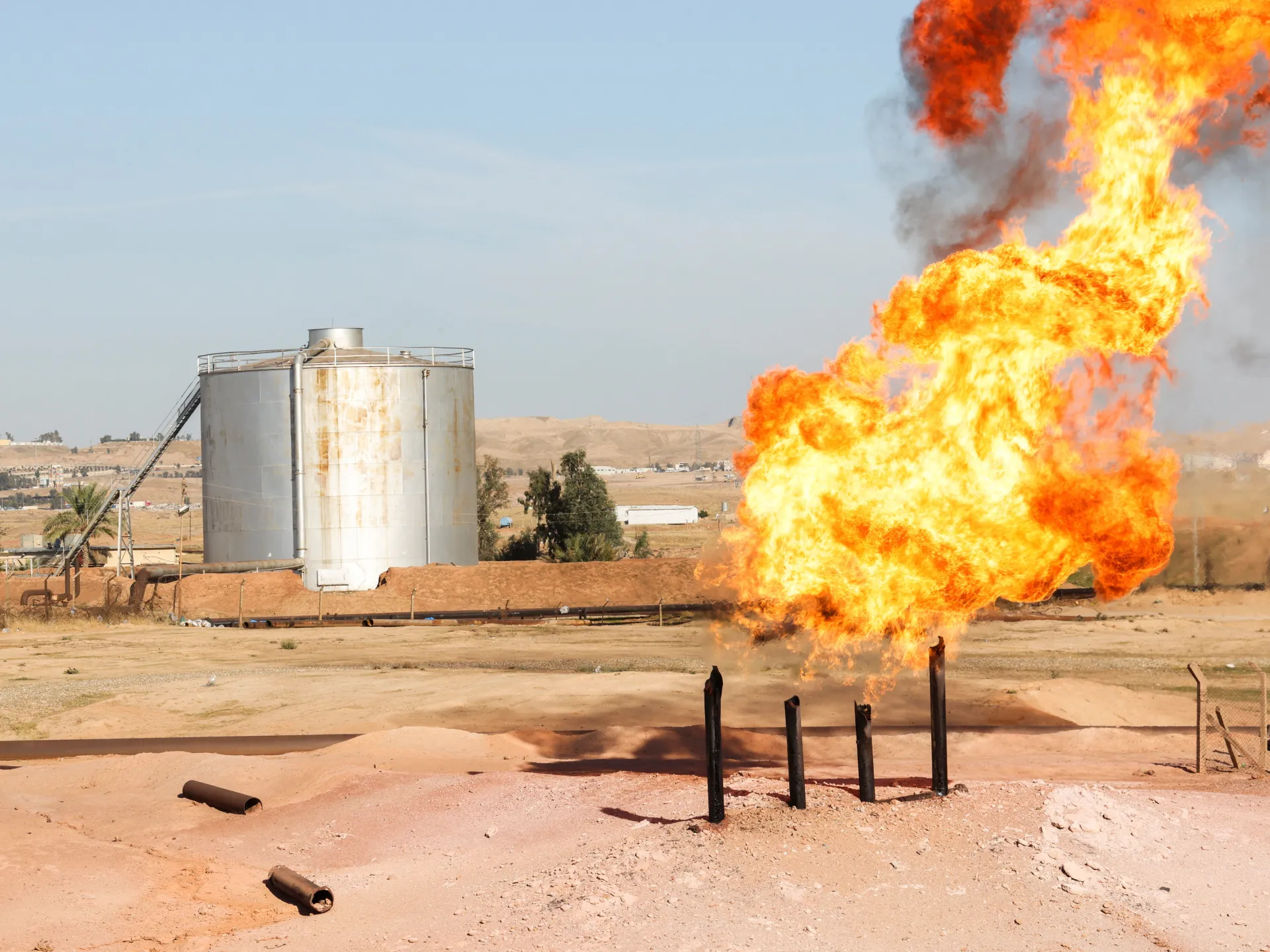
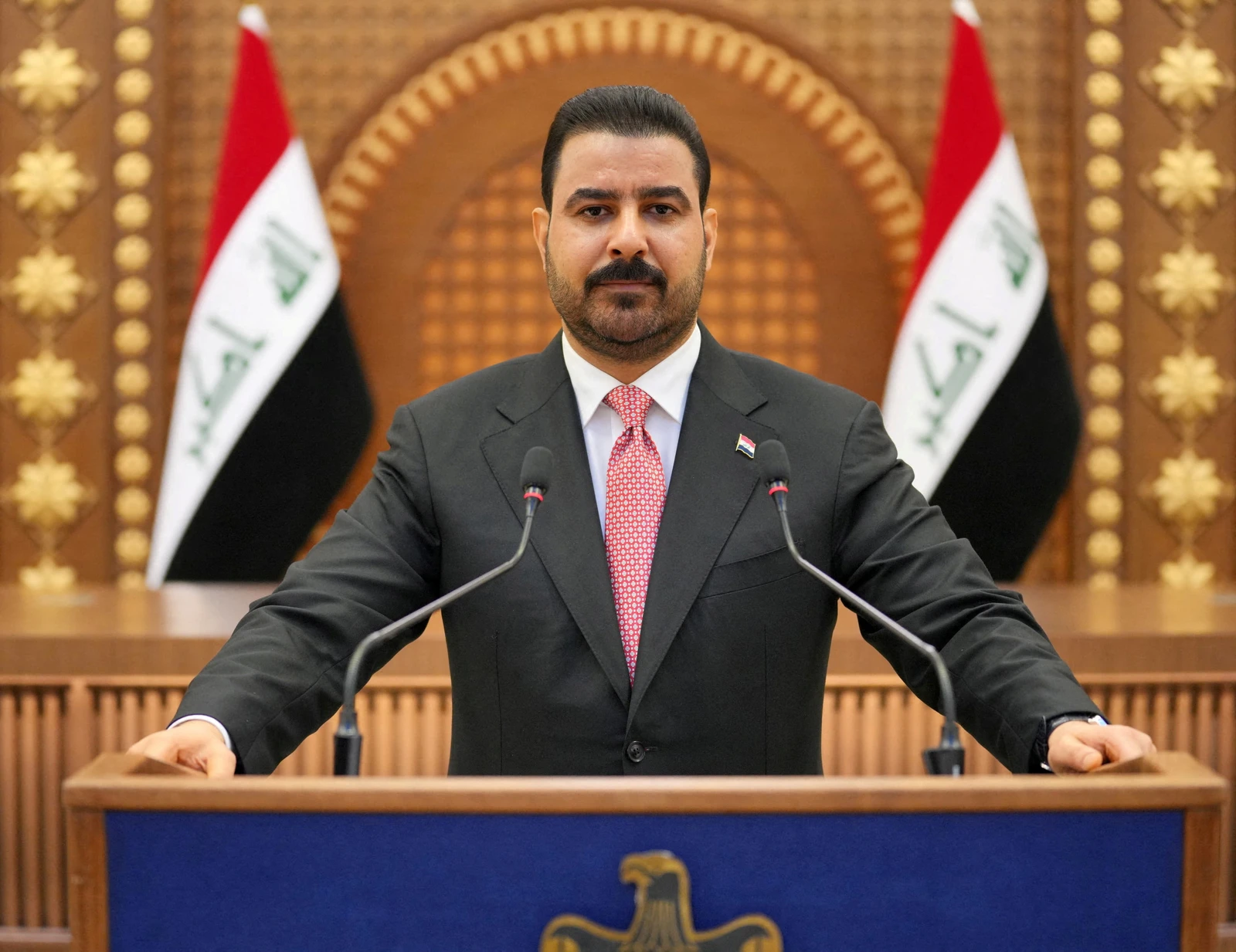
Iraq is facing its most serious confrontation between the federal government in Baghdad and the autonomous Kurdistan Region in years. On Tuesday, November 24, Prime Minister Ali al-Zaidi ordered that all border crossings in the Kurdistan Region be placed under the control of the federal Border Ports authority, that unofficial crossings be shut, and that oil fields under Kurdish security control in the provinces of Kirkuk, Nineveh, Salahuddin and Diyala be managed by the federal Oil Ministry. The order also barred the Kurdistan Regional Government (KRG) from approving oil exports except through the federal ministry. A day later, Iraq's Federal Supreme Court issued a rapid interpretive ruling affirming federal authority over borders, customs and the oversight of oil and gas.
The government says the measures are aimed at oil smuggling that has drained tens of billions of dollars from the treasury. Kurdish leaders see an assault on the constitutional autonomy they have defended since 2005. And on Friday, November 27, President Donald Trump weighed in on Zaidi's side, turning what might have been a domestic dispute into another front in Washington's economic war against Iran.
Background: From Jurf al-Sakhar to Erbil
The Kurdistan order is the second act of a campaign that began south of Baghdad. Jurf al-Sakhar, a town that has been held since 2014 by Kata'ib Hezbollah, one of the most powerful Iran-backed armed factions in Iraq, has long been off-limits to the state. Baghdad accuses the group of running a smuggling operation from the area. Around November 18, Zaidi ordered the army to prepare to enter the town, and on November 20 government forces moved in after a tense standoff that ended, according to Arab News, with a compromise deal that averted a direct confrontation. Kata'ib Hezbollah has refused to give up its weapons, and Zaidi has vowed to bring arms under the exclusive control of the state.
The regional news site Amwaj describes the order on Kurdistan as the logical next step. Days before it, government spokesman Haidar al-Aboudi told state media on November 16 that there was "a possibility" of Iraqi army forces entering areas of the Kurdistan Region. On November 21, the chairman of the Popular Mobilization Forces, Falih al-Fayyadh, met Kurdistan Democratic Party leader Masoud Barzani in Erbil. Kurdish outlet Rudaw subsequently reported that Kurdish leaders had rejected four proposals from Baghdad, including the deployment of Iraqi army units along Kurdistan's borders and federal control of oil fields; the KRG called that report unfounded, and Baghdad has not confirmed it. On November 23, Oil Minister Basim Mohammed Khudair said fields of the state-run North Oil Company that had been taken over by the KRG "should be managed federally."
The disputed fields have a long history. Amwaj notes that Erbil has held fields such as Khurmala since 2007, and Kirkuk-area fields such as Bai Hassan and Avana have changed hands more than once: Kurdish forces took control of them during the 2014 Islamic State offensive, and Baghdad reasserted control over much of Kirkuk in October 2017 after the Kurdish independence referendum, a crisis that remains a bitter memory in Erbil. The status of these fields, revenue sharing and the export of Kurdish oil through the pipeline to Turkey have been at the centre of almost every Baghdad-Erbil dispute since.
Key Developments
Alongside the oil and border measures, Zaidi dismissed Kirkuk's police chief and operations commander and suspended the North Oil Company's director general and his deputies. Amwaj reported that new checkpoints staffed by the Energy Police, national security agents and Oil Ministry personnel would be set up on approaches to Duhok, Erbil and Sulaimaniyah, and that joint Iraqi army and Peshmerga brigades would close informal routes into four federal governorates.
The Federal Supreme Court ruled on Wednesday, November 25, within 24 hours of the prime minister's request, according to Al Jazeera. Two judges dissented. The same day, Aboudi said there was "no truth" to reports that army units were moving toward the Kurdistan Region, an effort to calm fears of a repeat of 2017.
On Thursday, November 26, Border Forces commander Mohammed Abdul Wahab Sukkar al-Saidi said his command had "begun implementing" the orders to close unofficial crossings. Accounts of what has been closed differ. Al Jazeera reported that Iraq closed two crossings that day, one with Syria and one with Iran. Iran International reported that two crossings with Iran were closed during the week, one of them run by the Kurdistan Region, following a US request that only two crossings remain open. Thousands of people protested in Erbil the same day.
The scale of the alleged smuggling is itself contested. Officials have cited losses of about $100 billion between 2008 and 2025, though Reuters, as noted by Al Jazeera, said it was unclear how that figure was calculated. A document from the Federal Board of Supreme Audit cited by Amwaj put the damage at nearly $123 billion between 2004 and March 2023. Baghdad says 200,000 to 230,000 barrels a day are being smuggled, worth roughly $200 million a month. Aboudi said crude exports bypassing the state oil marketer SOMO amount to smuggling because the proceeds never reach the treasury, and accused smugglers of diverting "tens of billions" into private pockets. An intelligence document cited by Iraqi state media alleges that smuggled crude is blended with Iranian oil for export.

Reactions
The Kurdish response has been unusually united, at least in its first phase. A joint statement from the two main Kurdish parties, the Kurdistan Democratic Party and the Patriotic Union of Kurdistan, called the directive "unexpected and deeply surprising" and described any undermining of the Kurdish entity's powers as a "red line," according to Amwaj. KRG Prime Minister Masrour Barzani called the measures "baffling" and "in no way acceptable," saying they went against ongoing talks with Baghdad. The KRG Council of Ministers rejected "any attempt to return Iraq to a centralised system," and Kurdistan Region President Nechirvan Barzani said addressing the region in military language "does not solve any problem." KRG spokesman Peshawa Hawramani said the Kurds were "not in favour of clashes and disagreement," but that this did not mean accepting violations of rights guaranteed by the constitution.
The unity has visible cracks. The PUK announced in early November that it would withdraw from the KRG after the KDP reactivated the regional parliament without its approval, and PUK member Ghazi Kakai blamed the KDP's "wrong policy" for the crisis, saying the PUK supports federal efforts "to preserve public money."
Washington's position is unambiguous. In a post on Truth Social on November 27, Trump backed Zaidi's efforts to "stop the smuggling of Iraqi oil, end corruption, and bring all weapons under the exclusive control of the state," and called for a "united, prosperous, and strong Iraq that makes its own political decisions." He has previously hosted Zaidi at the White House and praised him as "a great fighter." Arab News reported that US envoy Tom Barrack has been promoting American oil investment and an export route through Syria, and that the US has slowed cash shipments tied to Iraq's oil sales, a significant lever over Baghdad.
Iran's response is less clear. No official Iranian reaction to the order appeared in the reporting reviewed for this article. But unnamed Iraqi political sources told Arab News that Zaidi's relations with Tehran have become strained and that Iran will not accept the disarmament of its allied factions. The crossing closures come as the United States enforces a naval blockade of Iranian ports, making Iraq's land border one of Tehran's last major trade routes.
Analysis
Analysts largely read the crackdown through the prism of US policy. Sajad Jiyad of the Center for International Policy told Al Jazeera that Zaidi's strategy is "aligned with what America wants for Iraq and for its Iran policy," describing the effort to cut smuggling flows as "exactly what US policy is right now: maximum pressure through economic blockade." Kurdish analyst Lawk Ghafuri said Zaidi "is implementing what Washington is asking him to do," but warned that any move "without an understanding with Erbil risks triggering a serious confrontation." He expects a deal, arguing that Zaidi is raising the stakes to extract concessions.
Mohammed A. Salih of the Foreign Policy Research Institute suggested that a limited federal deployment to border areas or oil and gas fields "might be acceptable" to the Kurds, while questioning whether the smuggling probe "might partly be an attempt to cover up the lack of genuine changes." Analyst Salim Zakhour told Al Jazeera that the court's decision "is final and decisive," but that "there is a political problem" that law alone cannot solve.
The stakes extend well beyond Iraq. Oil provides about 90 percent of Iraqi state revenue, and disruption in the Strait of Hormuz has already cut the country's southern exports, making the northern pipeline to Turkey more important than ever. Ali al-Mawlawi, cited by Amwaj, argued that Baghdad wants 450,000 barrels a day from the Kurdistan Region for the 2027 budget, a figure Erbil says it cannot meet.
What's Next
A national dialogue has been scheduled in Baghdad for December 1, with sponsorship variously attributed to Iraq's four presidencies or to the head of the Supreme Judicial Council, Faiq Zaidan. That meeting will be the first test of whether the crisis can be channelled into a negotiated settlement over oil management, revenue sharing and border control, or whether it hardens into the kind of standoff that in 2017 ended with tanks on the outskirts of Kirkuk. With the KDP and PUK at odds, Iran-backed factions resisting disarmament and Washington openly cheering Baghdad, Zaidi has more leverage than any Iraqi prime minister in years. Whether he can use it without fracturing the country's fragile federal bargain is the question now hanging over Erbil.
Published By | News Editor